Edward Alfred Davies entered the surviving record as a Halifax boy in a large family and emerged from it, decades later, as Captain Edward Alfred Davies, master mariner. The distance between those two identities is the story.
Before there was a captain
Ted was born in Halifax on 6 November 1905. A newly recovered delayed Nova Scotia birth registration contains a certified extract from the baptismal register of St. Paul’s: the child baptized on 14 January 1906 was recorded as Alfred Edward Clarence Reginald Davies, son of Alfred Davies and Ellen Davies. Alfred’s occupation is given there as builder. The order of Ted’s given names differs from the form he used later in life; the record is important precisely because it explains why contemporary records could call the future Captain Ted simply Alfred Davies.
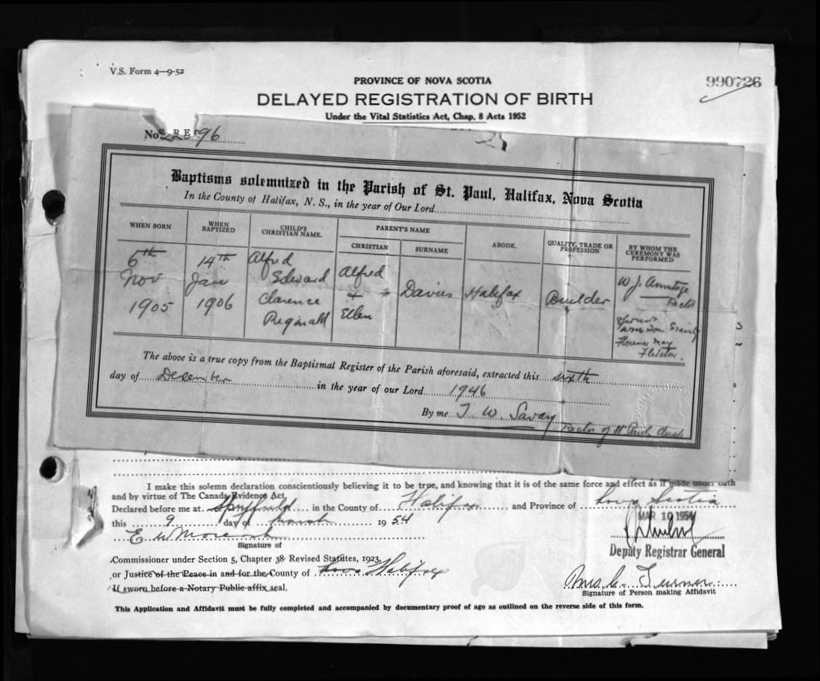
McAlpine’s Halifax directories place Alfred Davies at 62½ Pleasant Street in 1904–05 and 1905–06 as a carpenter, and again in 1907–08 as a carpenter and builder. That sequence reconciles the occupational wording across the records. The baptismal extract gives the family’s abode as Welsford, but the surrounding directories do not support a simple permanent move there; for now, Welsford remains a point to explain rather than a replacement residence.
A photograph from 1904 captures the family just before Ted entered it. The names preserved with the picture identify seven daughters: Lottie, Laura, Nellie, May, Florence, Bertha and Alice. By the 1911 census, Alfred and Ellen were living at 92½ Pleasant Street with a young son. The handwriting on that census name remains difficult, but the new baptism record removes much of the old ambiguity: Alfred was one of Ted’s own recorded Christian names.
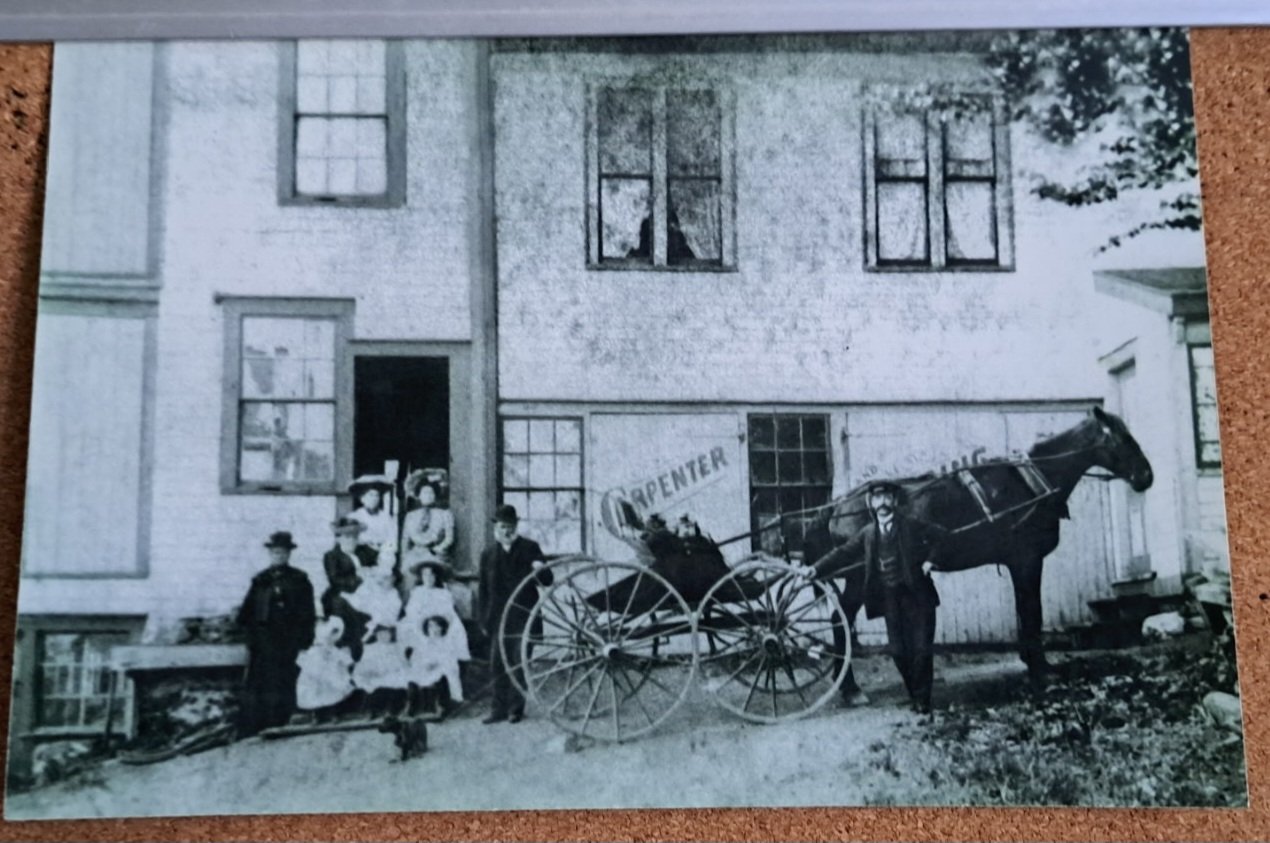
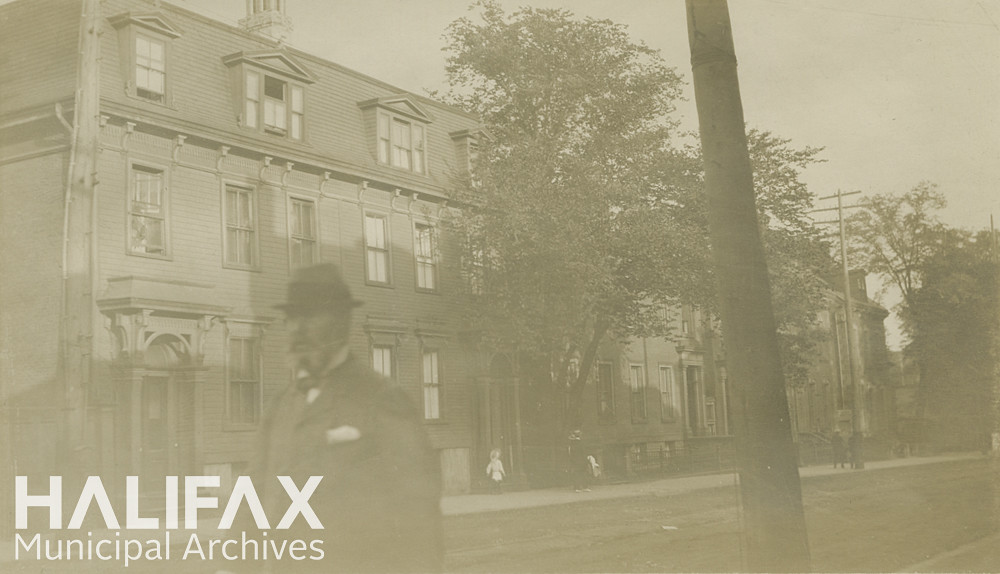
These are modest details — a trade, a street, a crowded family photograph — but they put Ted somewhere real before the titles and ships arrive.
Two deaths, then a city remade
Alfred died in March 1915, when Ted was about nine. Ellen died in July 1916, when he was ten. Her obituary catches the family at the moment of that second loss: Ellen was the widow of Alfred, the “well known carpenter”; she had been ill for several months and had been residing with a married daughter, Mrs. Kirby.
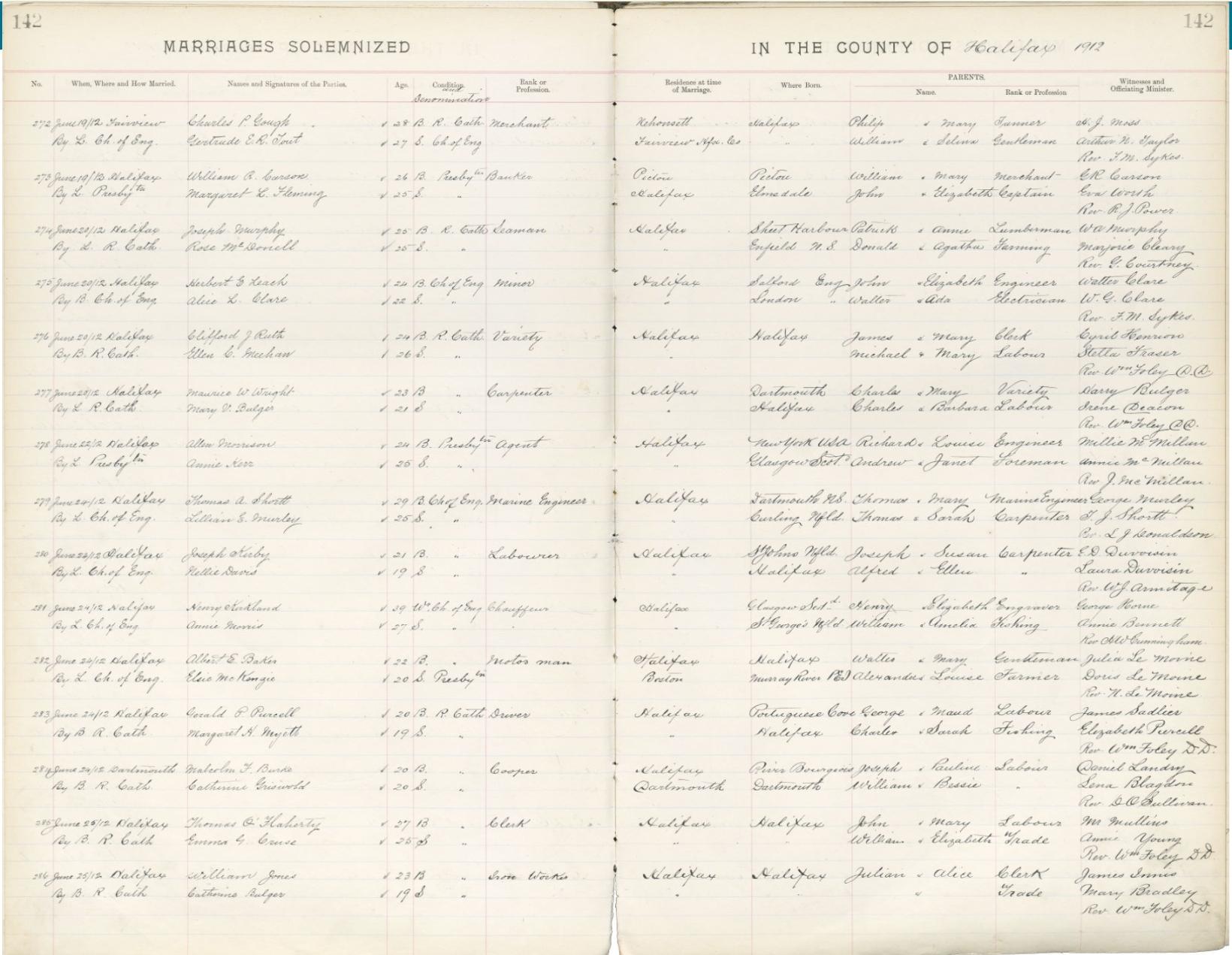
Mrs. Kirby can now be named. A Halifax marriage register dated 24 June 1912 records Joseph Kirby marrying Nellie Davies, age nineteen, daughter of Alfred and Ellen Davies. This is the primary bridge the project had been missing. It identifies Nellie as the daughter with whom Ellen was residing around her final illness. It does not prove that ten-year-old Ted lived in Nellie’s household or that Nellie held legal guardianship.
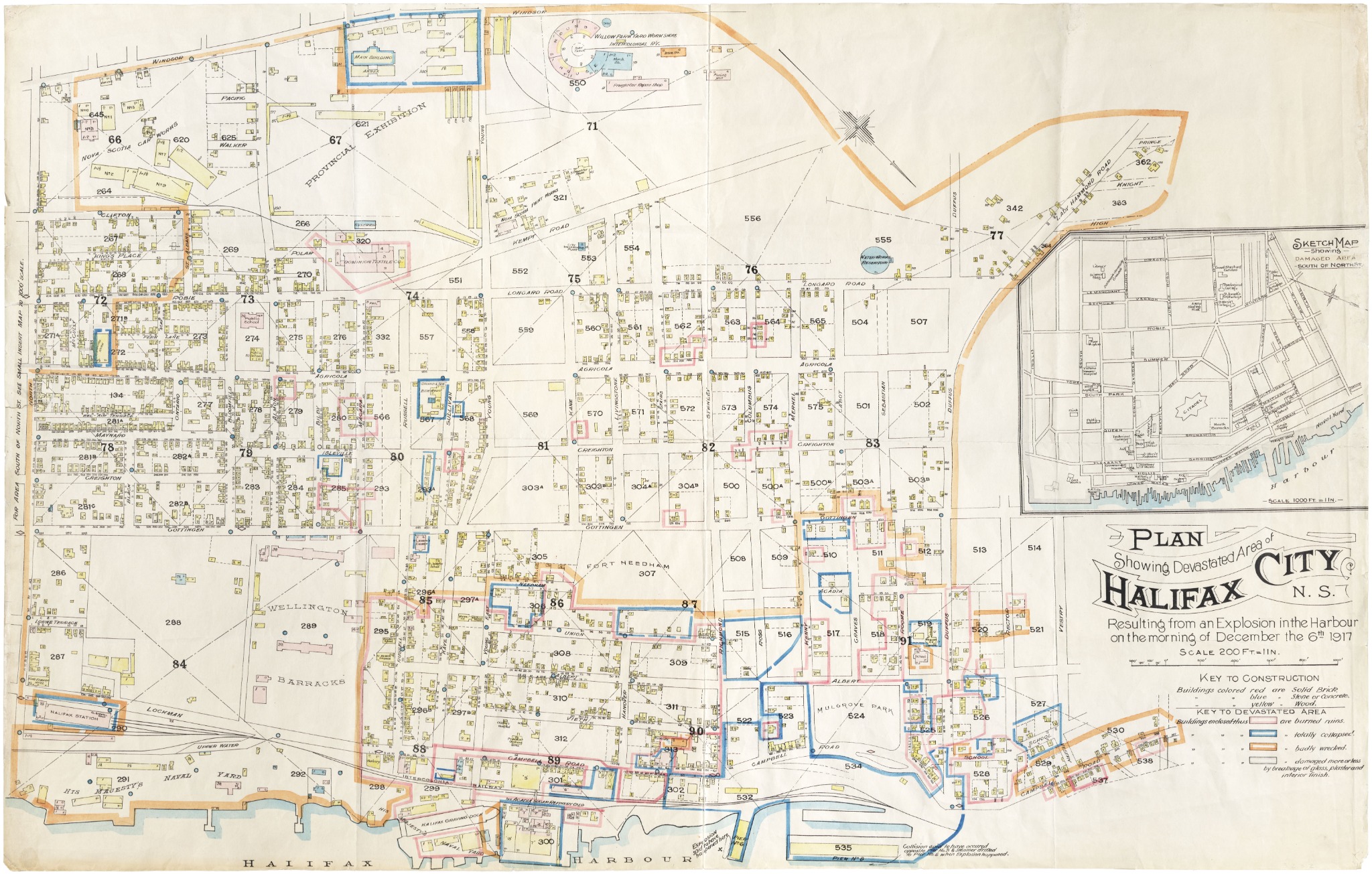
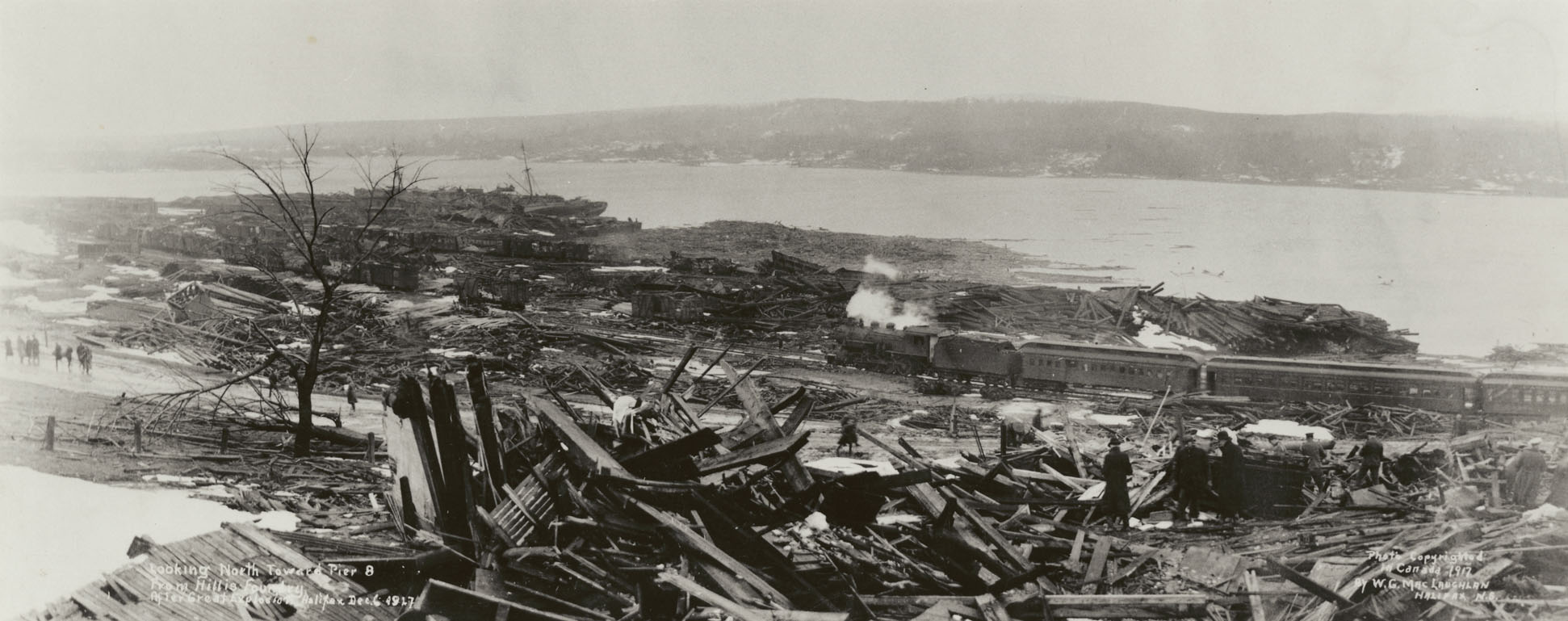
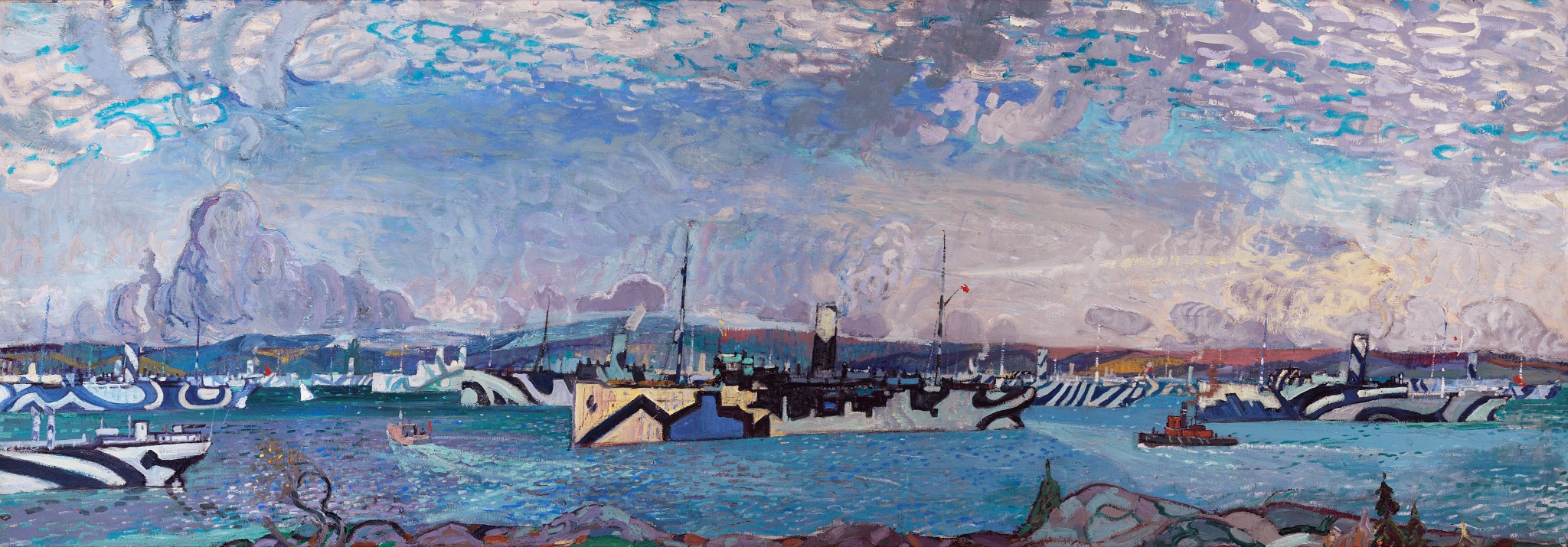
Then, seventeen months later, Halifax itself was torn apart. On 6 December 1917 the collision of Mont-Blanc and Imo in the Narrows produced the Halifax Explosion. More than 1,600 people were killed instantly and thousands were injured. Ted was twelve.
The next firm sighting of Ted comes almost four years later. On 1 June 1921, the census records a fifteen-year-old Alfred Davies at 46 Bland Street, listed as brother-in-law in the household of Burton McKenzie, Burton’s wife Alberta and their young son Ray. The surrounding civil and census record identifies Alberta with very high confidence as Ted’s older sister Violet Alberta — also recorded elsewhere as Bertha or Alberta. The newly recovered St. Paul’s baptismal entry, which begins Ted’s Christian names with Alfred, makes the census identification substantially stronger than it was when the name had to be explained only by inference.
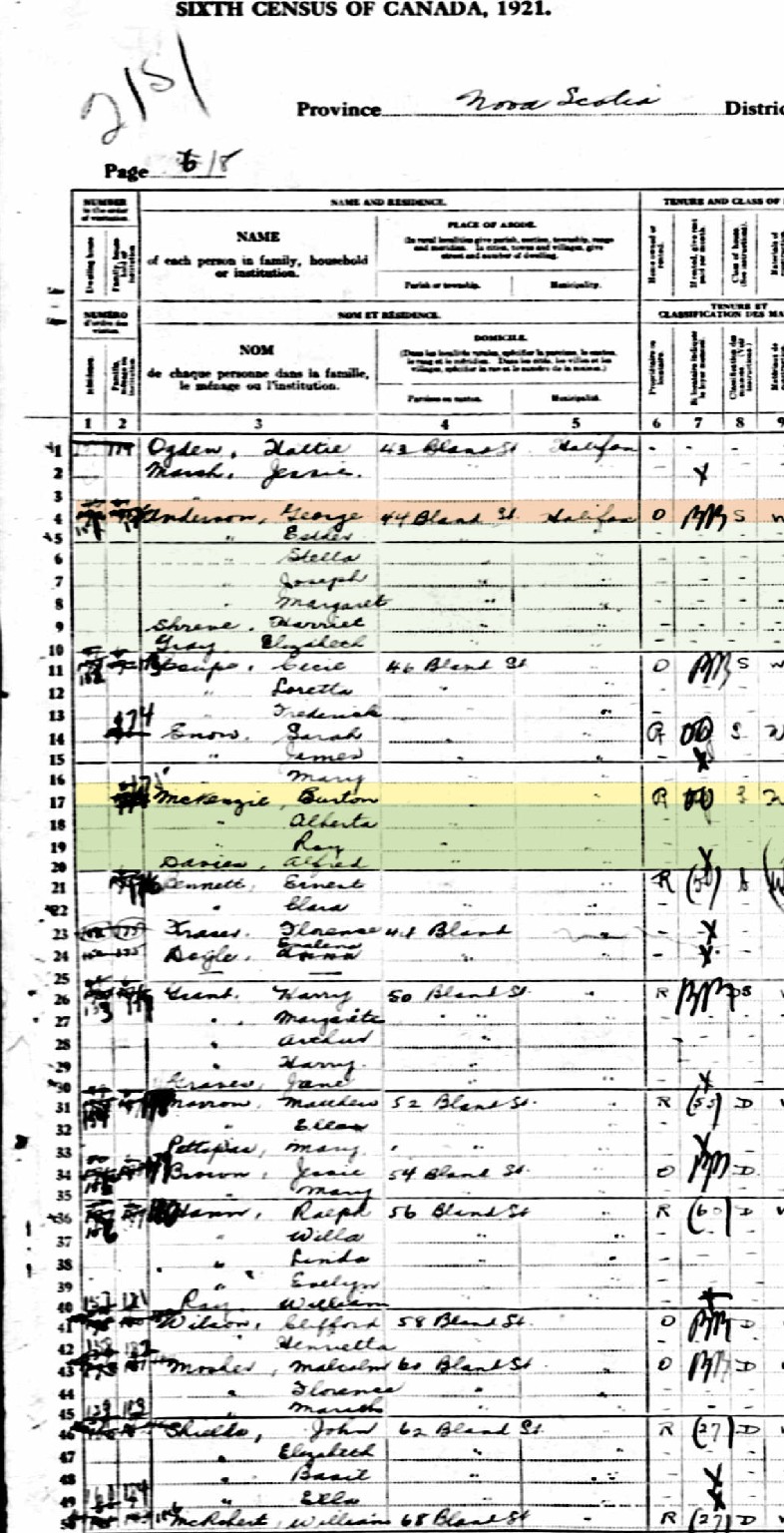
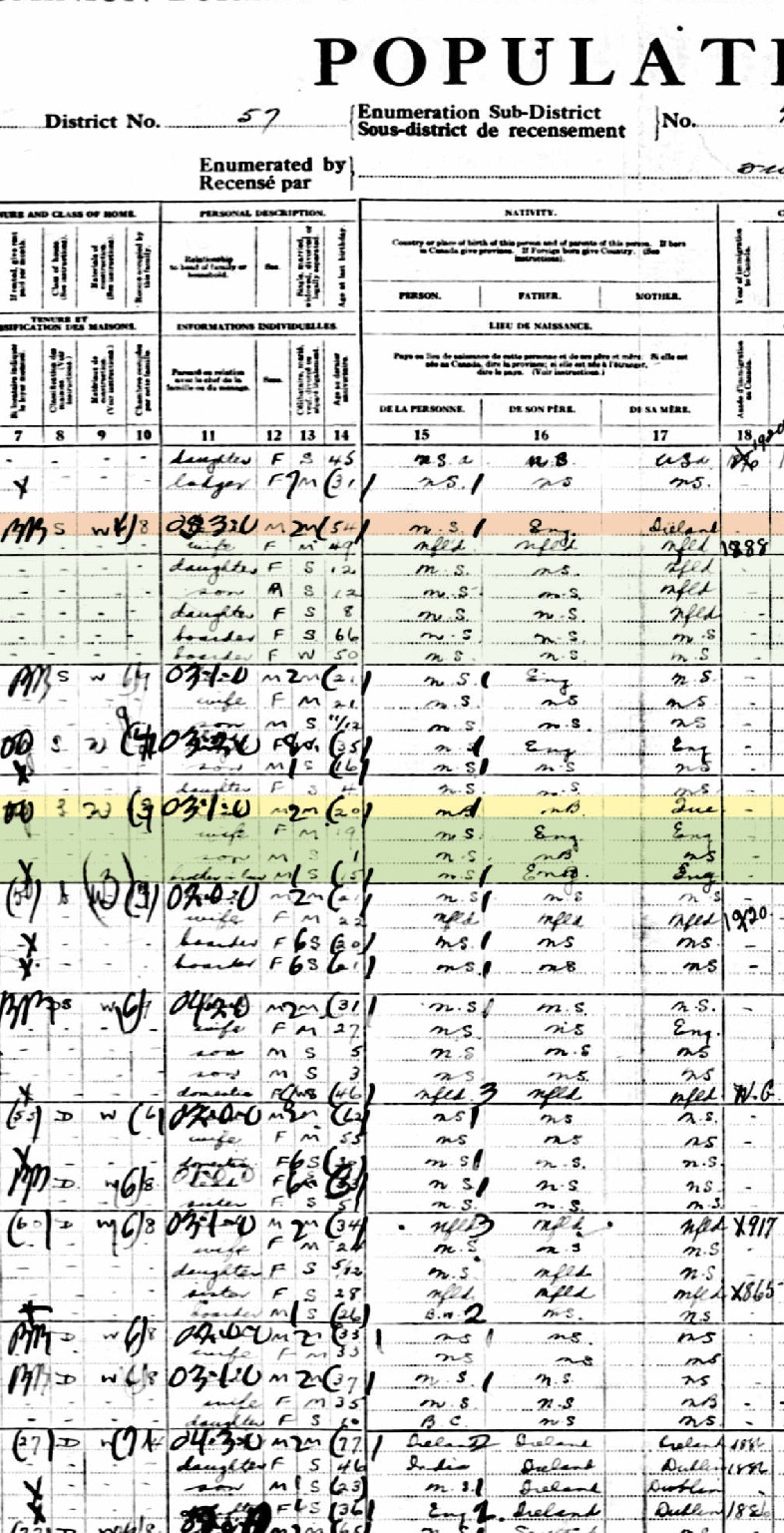
That single census line does not tell us who first took Ted in during 1916, or whether any sister ever held formal guardianship. It does something more useful than a family legend, though: it proves that by fifteen he was living inside an older sister’s family.
A captain before thirty
Family memory consistently says that Ted went to sea young. It does not give us a trustworthy starting age. In the surviving interview, Ted Jr. remembered only that his father was young; “twelve or thirteen” was suggested by the interviewer, not independently supplied by him.
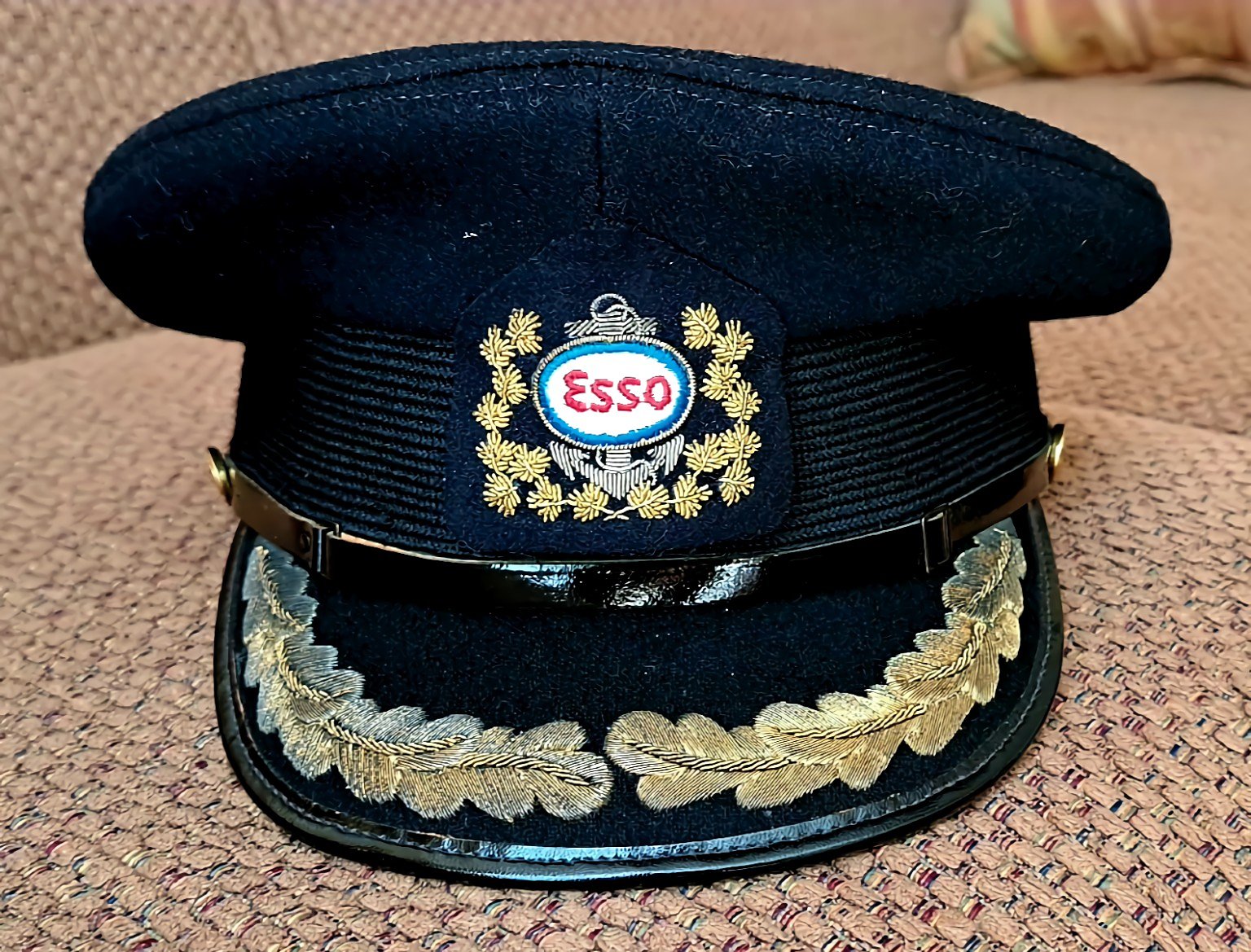
The documentary trail becomes much firmer in adulthood. A published transcription of a 1944 Imperial Oil recommendation dates Ted’s employment with the company from January 1926. Two years later, family records place his marriage to Eileen Supple in Halifax. The Winter 1945 Imperial Oil Review says that he had risen to Master in 1932. Born in late 1905, he was still in his twenties.
One printed line remains impossible as written. The 1945 Review says Ted “signed on as seaman in 1907,” two years after his birth. The story does not try to rescue the date with guesswork. Until a seaman or master-certificate file explains it, it remains a publication anomaly.
The family he built
Family records place Edward Davies and Eileen Supple at Saint Mary’s Cathedral in Halifax on 16 February 1928. They went on to have five children in the family reconstruction: Joan, Ted/Edward, Robert, Reg and Diane.
The surviving evidence says more about this marriage through relationships than through private correspondence. Across the family interviews, Ted Jr. remembered a paternal aunt in Spryfield, married surname McNeil, as part of the family’s visiting world; the family sometimes walked roughly three miles. In the 1 September follow-up, he again recognized “the one in Spryfield” as his father’s sister, but did not independently retrieve her first name. Bertha was suggested to him. The project therefore preserves the relationship while leaving the aunt’s identity open. The sisters were not merely figures from Ted’s orphan years; at least one remained part of the household world Edward and Eileen created for their children.
Eileen at home
Brenda remembers her grandmother through ordinary visits rather than wartime history: Eileen loved watching television, was fun to be around and welcomed visitors at any time. At the last Christmas Brenda remembers at her Davies grandparents’ house, Eileen was a little drunk. When she lifted the turkey from the pan, it went flying across the floor. Eileen laughed, and everyone else did too.
Sandra McCoy, recalling what her father Robert had told her, remembers that the children liked the periods when Ted was away at sea. Sandra’s own impression was that Eileen was less strict with the children and that less housework got done in his absence. That does not establish a formal household rule, or prove that Ted personally assigned the chores; it preserves the family’s remembered contrast between his presence and absence.
Family recollection — Brenda Lefebvre and Sandra McCoy. Brenda’s television, visitor and Christmas memories are direct recollections of her grandmother. Sandra’s description of the household during Ted’s absences is her interpretation of what she heard from Robert and remains attributed as such.
A second recorded visit on 1 September 2026 added smaller pieces of the life ashore. In the overlapping family conversation, wintertime Ted was remembered baking cookies and going for walks, including one outing in an old coat that drew an unflattering comparison from home. Ted Jr. also remembered midnight Mass and agreed that cutting a Christmas tree was a Halifax family practice, while specifically not remembering a tree-cutting trip with Robert. The original audio controls these attributions; the automated transcript is used only as a finding aid.
The same conversation recovered part of Edward and Eileen’s social circle. Ted Jr. recognized the Knights, identified in the family discussion as Bert and Eileen, and the family also remembered Jim and Helen White. A suggestion that Jim White was a sailor remains unproven; another family voice thought he was a policeman.
That family connection continued into the next generation. Sandra McCoy remembers her father Robert coming home from work, going jogging, having dinner, and then speaking with Ted on the telephone just after dinner every day. It is a daughter’s memory of an ordinary routine, but it gives the later father-and-son relationship a shape the maritime record cannot.
Family memory preserves another, smaller glimpse of Ted at home. Eileen’s brother, Tom Supple, was remembered as a bachelor who visited often. According to the separate family story Susan heard from her mother, when Ted decided one of Tom’s visits had gone on long enough, he asked whether Tom’s life insurance was paid up and told him he did not look too good. Tom was gone the next day. The 1 September recording adds only that Ted Jr. agreed his father did not particularly like Tom; it does not contain the life-insurance joke. It also corrects a stray claim made in the room that Tom “never worked”: Ted Jr. immediately answered, “Well, I think he did.” The joke remains family recollection, preserved for Ted’s dry, decidedly pointed sense of humour.
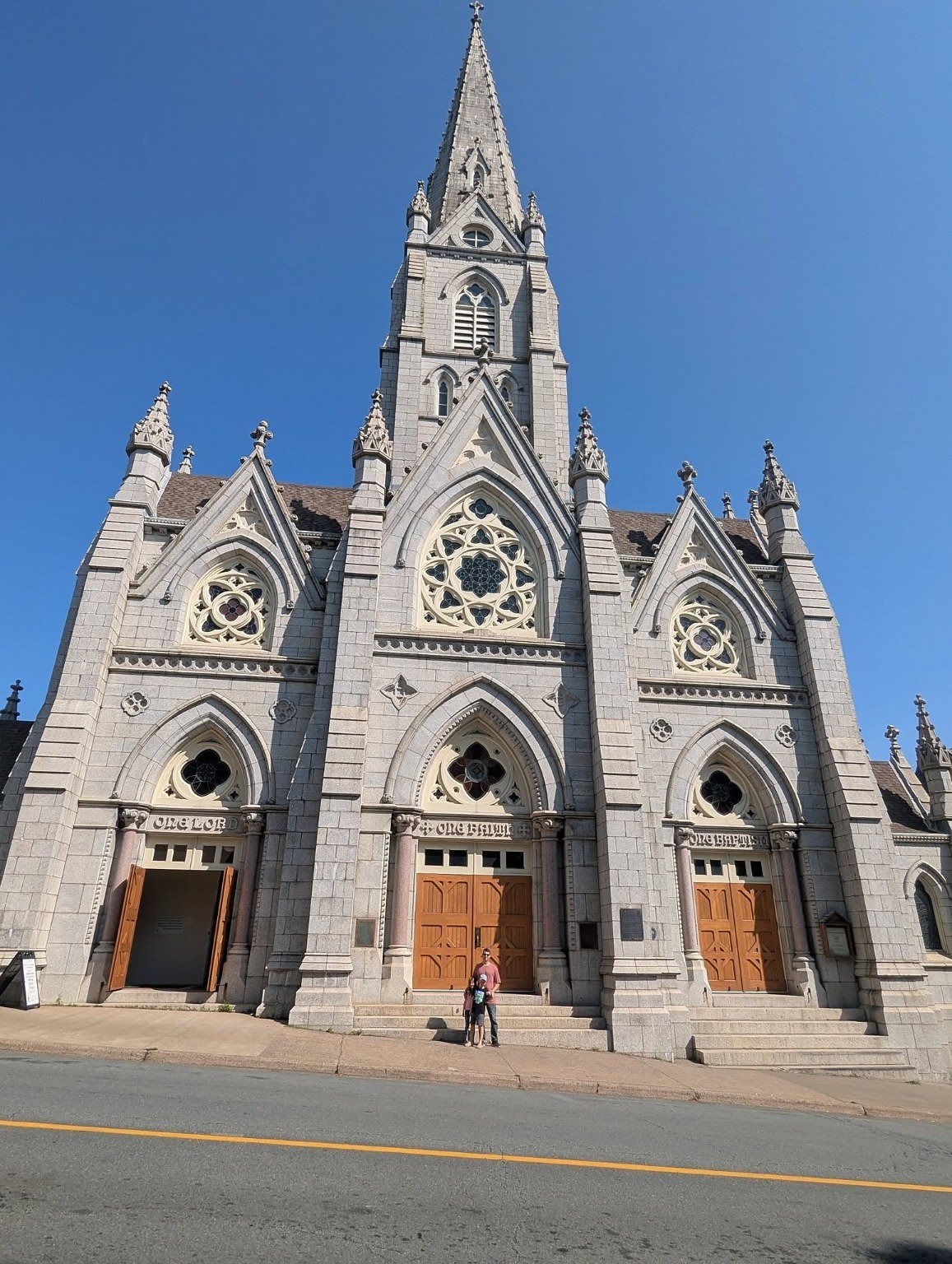
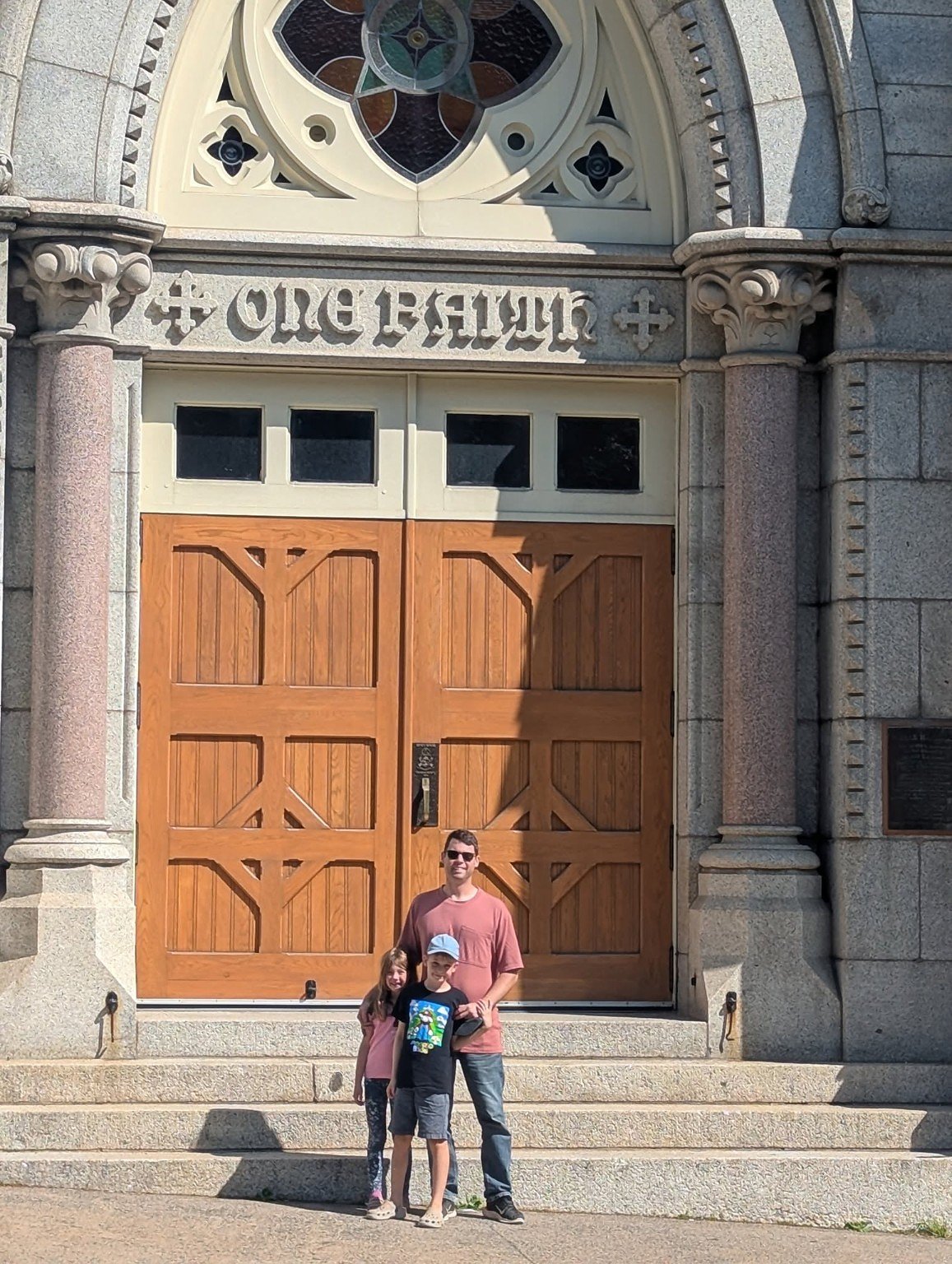
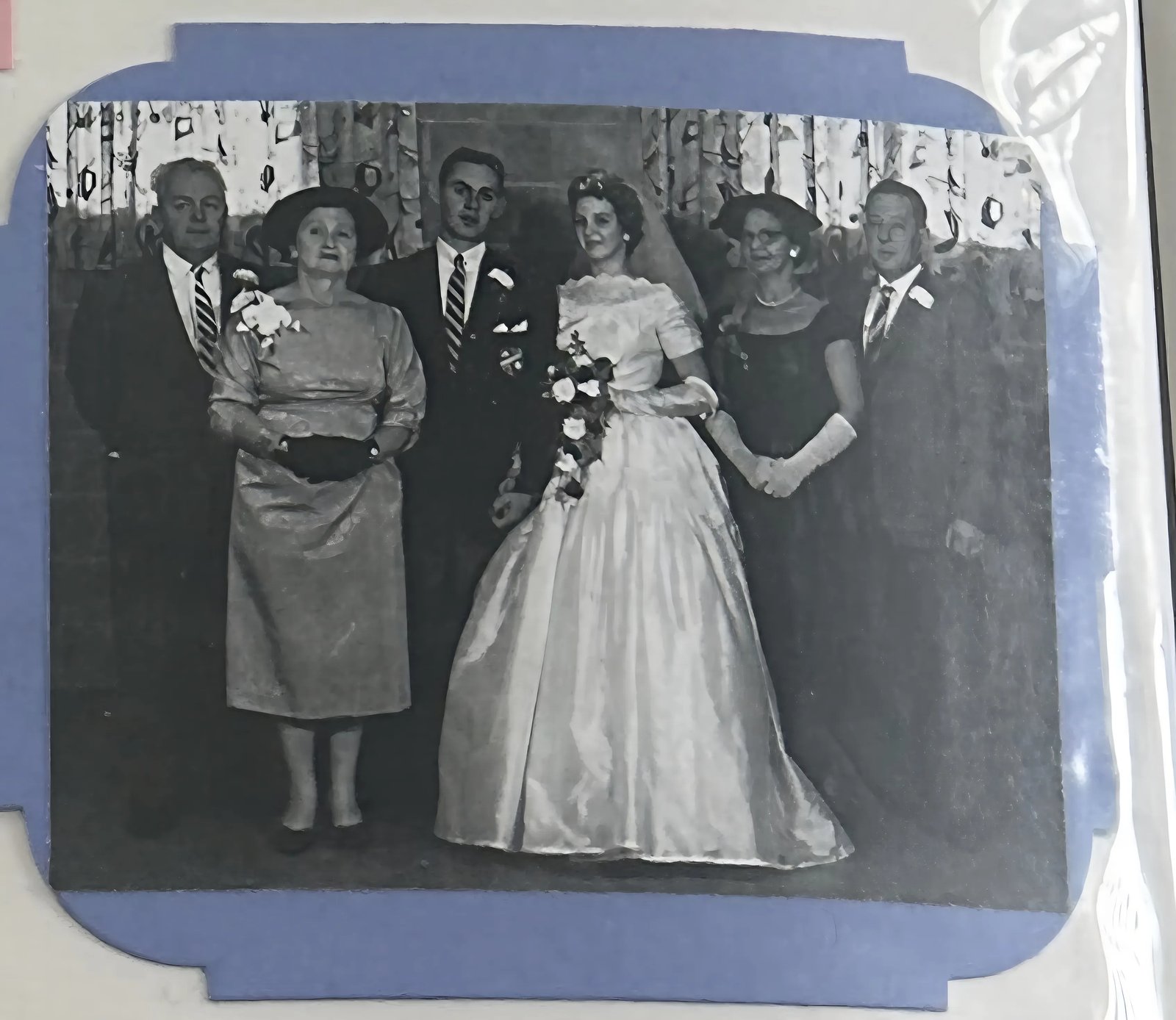
By the time that 1957 photograph was made, the Halifax couple had become the older generation themselves. Nearly half a century after their wedding at Saint Mary’s, family recollection places Edward and Eileen together again at their trailer on the Atlantic side of Florida.
Seventeen convoys
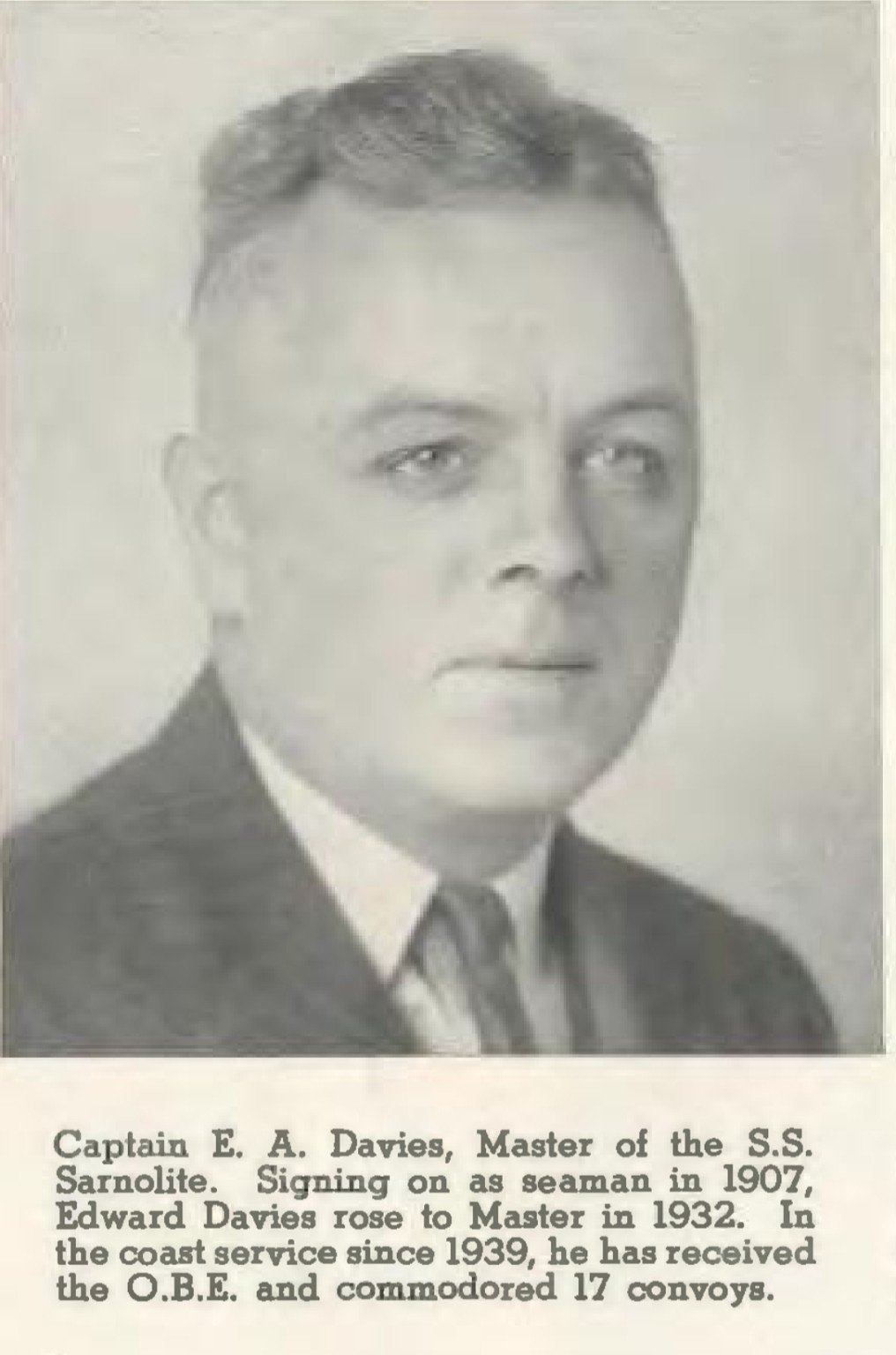
By the war, the paper trail sharpens. The Winter 1945 Imperial Oil Review identifies Captain E. A. Davies as master of S.S. Sarnolite and credits him with something far more consequential than a title: seventeen assignments as convoy commodore.
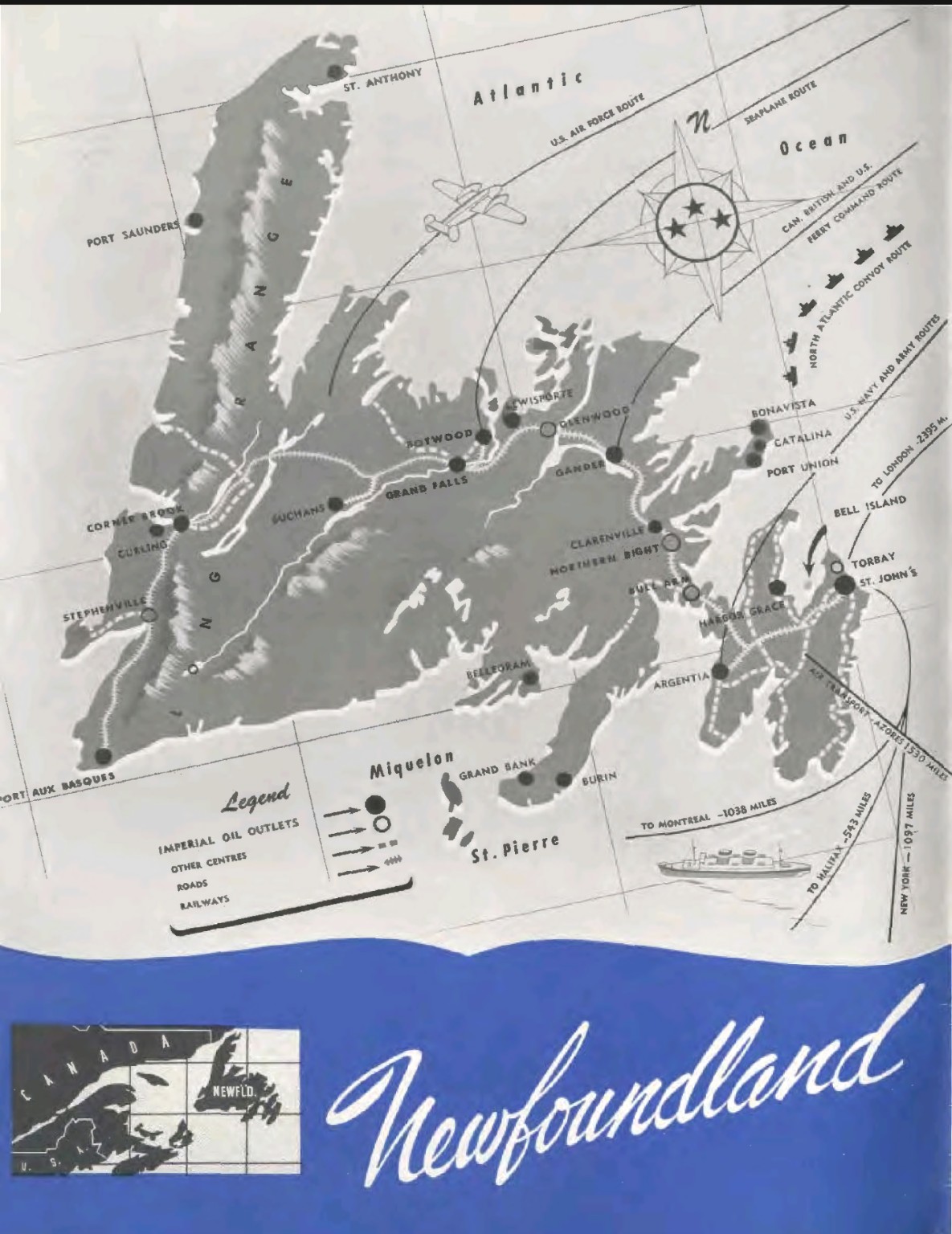
A published transcription of an Imperial Oil recommendation dated 11 September 1944 adds operational geography. It reports that Davies had commanded Sarnolite until 23 January 1944, working the Halifax–Newfoundland–Labrador service, and was then transferred to Arlington Beach Park, operating in the Western Atlantic. The original recommendation is identified as Department of Transport file 18-2-7, RG12, volume 1106; this project has not yet re-inspected that original archival page, so the transcription is presented transparently rather than silently upgraded.
The company’s own wartime magazine supplies the larger setting. It describes Sarnolite and Royalite carrying petroleum from the Imperoyal refinery at Halifax to the defence installations at Argentia, Newfoundland, and says tankers on those runs were operating in submarine-threatened waters where casualties occurred. That does not prove that every such voyage was one of Ted’s seventeen convoy assignments. It tells us what sort of work the ship and company were doing in the waters where his command is documented.
What “convoy commodore” actually meant
The commodore was responsible for the merchant formation — keeping ships organized, on course, at the ordered speed and communicating changes — while the naval escort commander fought the anti-submarine battle around it. The simplified formation below is explanatory, not a reconstruction of one of Ted’s actual convoys.
The danger was not theoretical.
Imperial Oil’s war record put tankers carrying fuel through waters threatened by submarines. The cargo made loss by enemy action potentially catastrophic.
The 1944 recommendation did not claim a particular attack on Davies. It nevertheless stated that enemy action occurred on the Halifax/Newfoundland/Labrador service.
U-boats pushed into Canadian coastal waters, including the Gulf and St. Lawrence. The submarine war reached the approaches to home.
Seventeen commodore assignments mean this was not a single ceremonial appointment but repeated wartime command responsibility.
The published awards transcription describes the 1944 recommendation as recognizing service in dangerous waters with highly explosive cargoes. The Canada Gazette then makes the recognition official: on 1 January 1945, Captain Edward Alfred Davies, Master, Canadian Merchant Navy, was appointed an Officer of the Civil Division of the Order of the British Empire. He was thirty-nine.
The same hull, one generation later
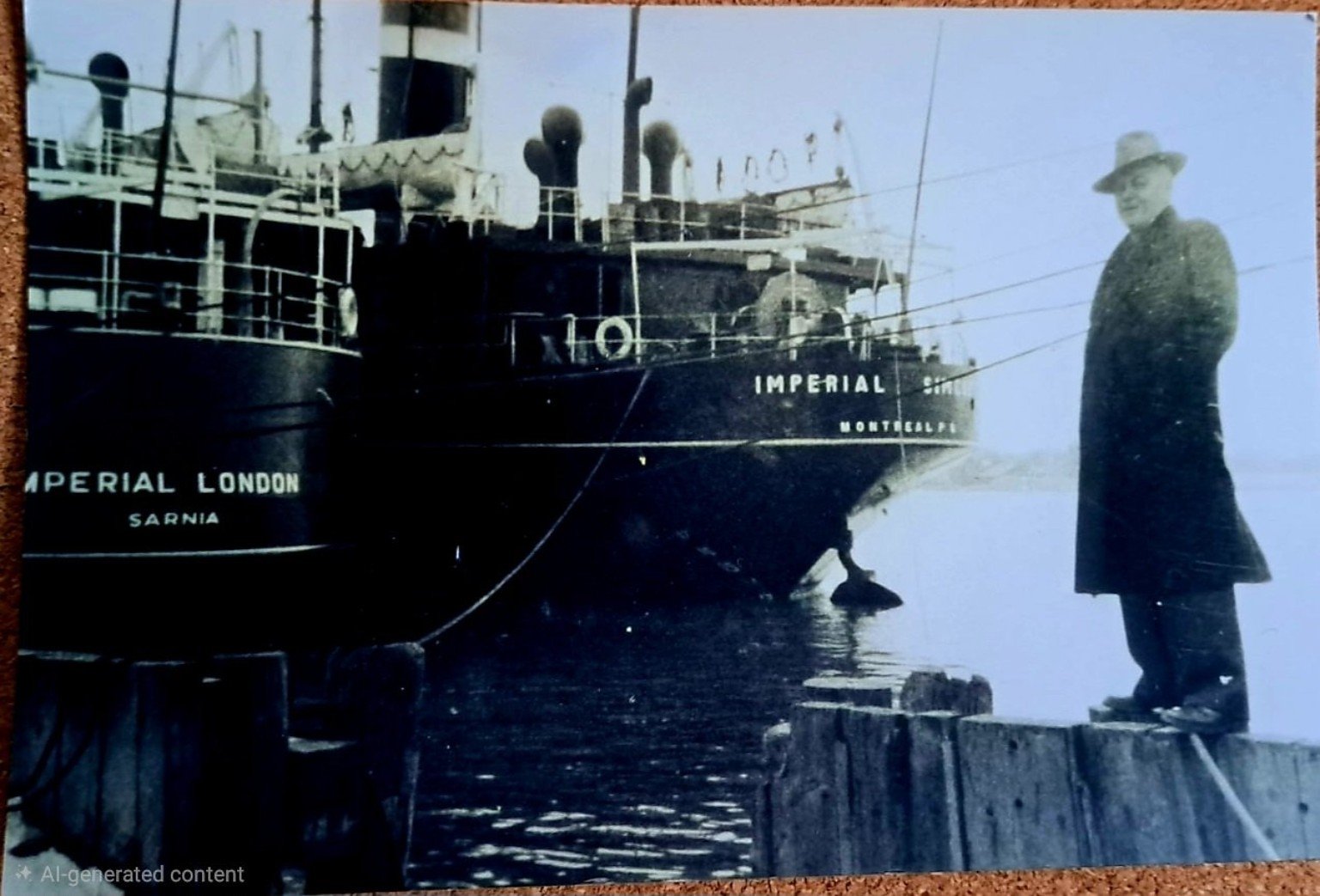
The war ended, but ships remained the family’s working language. A family photograph shows Ted on a dock beside two Imperial tankers identified by the family as Imperial London and Imperial Simcoe. The exact port and date are still open. Both names later appear in the discharge record of his son Robert.
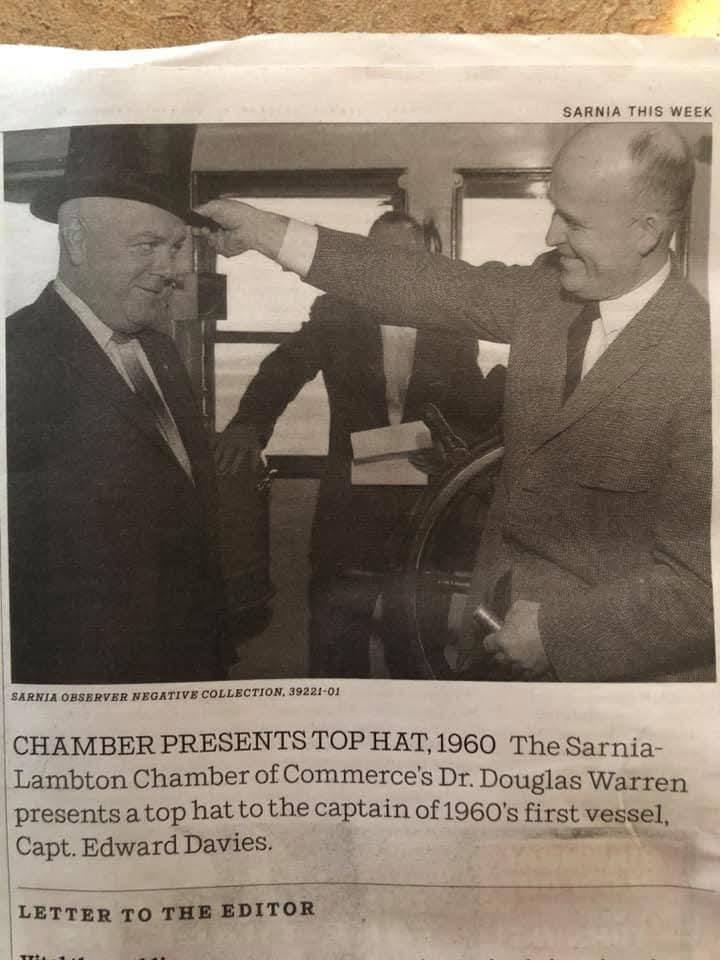
Another connection is stronger because the official number survives. Sarnolite, Official No. 134515, was renamed Imperial Sarnia in 1947 and Imperial Hamilton in 1948. Robert’s discharge book records him aboard Imperial Hamilton, Official No. 134515, in the summer of 1955.
The point does not need embellishment: Robert spent his final high-school summer at sea aboard the same hull his father had commanded during the war. The surviving records do not prove that Ted still commanded her when Robert came aboard.
Some gaps remain open: who first cared for Ted after Ellen died, the full 1916–1921 household sequence, his exact first year at sea, and the individual identities of the seventeen convoy assignments. The evidence trail and the RG12/1106 archival lead are preserved in Research & Sources.
Vero Beach
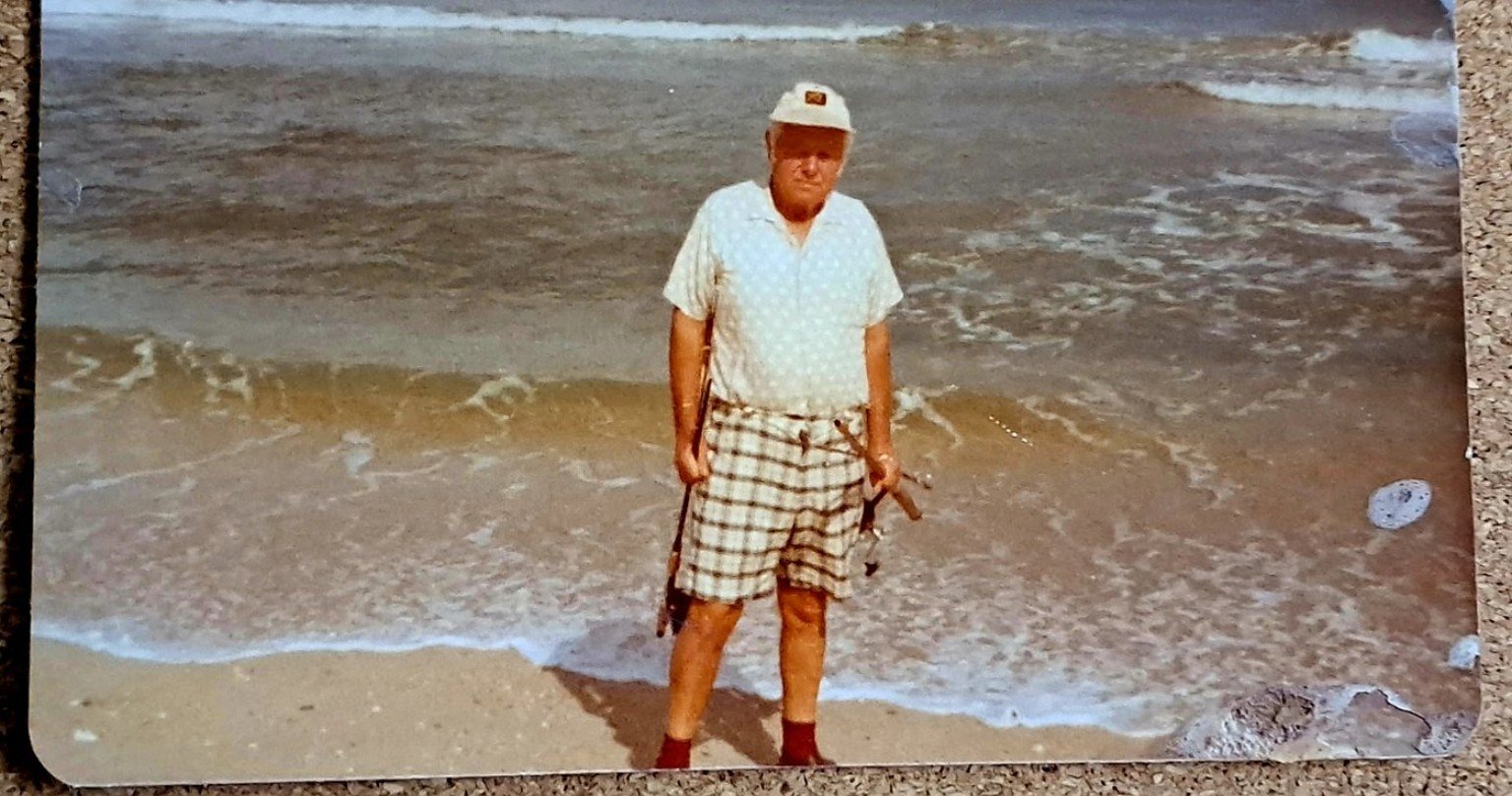
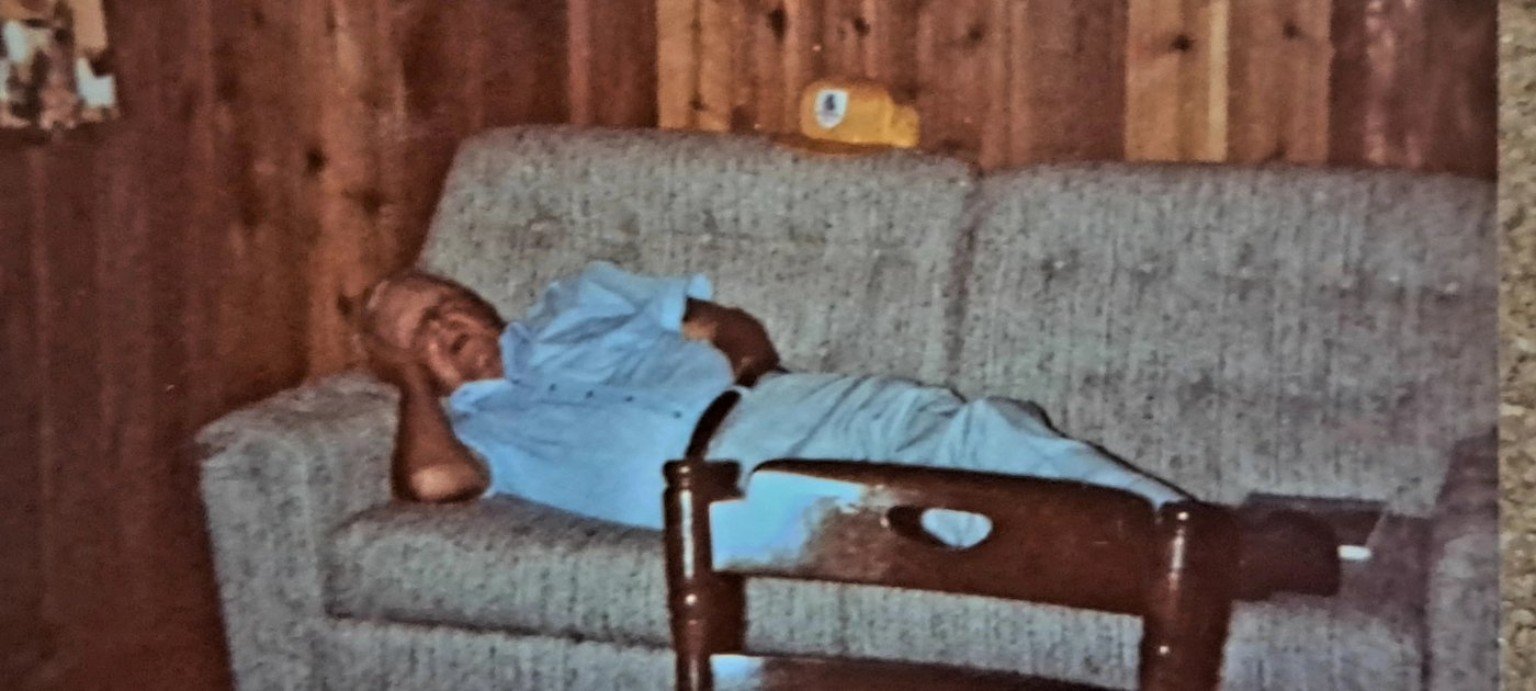
Decades later, the family photographs become quieter. Edward and Eileen had a trailer at Vero Beach, Florida, on the Atlantic side. Brenda remembered her grandfather fishing from the beach, catching small sharks and swimming there.
The garden
Another granddaughter remembered something far removed from the bridge of a tanker. Sandra McCoy recalled Ted keeping a huge garden, composting household scraps, and carefully tying newspapers and flyers into bundles for collection. In Sandra’s words, he was “an environmentalist way before that word.” She credits that example with helping lead her into environmental teaching and, later, volunteer work with Grandmothers Act to Save the Planet.
Family recollection — Sandra McCoy. The garden, composting and paper collection are preserved as Sandra’s direct memories of her grandfather. “Environmentalist” is Sandra’s retrospective characterization, not a documentary label imposed by the project.
The archive can tell us that Ted was orphaned, that his sisters remained around him, that he became a master, that he commanded Sarnolite and Arlington Beach Park, that he led seventeen convoys, and that the Crown recognized his wartime service.
It cannot tell us what the ocean meant to him by the time he stood on that Florida beach. We only know that it was still there.
For a brief personal note on how Ted stepped out of Robert’s background, the family conversation that helped, and one later echo, continue to the Author’s Note.