Four grades, one rule
| Grade | Meaning | How it is used |
|---|---|---|
| Documented fact | An original or contemporary record directly states it. | May be stated plainly with the record named. |
| Very high confidence | Several independent records converge, but one direct naming record is still desirable. | Usable with the remaining caveat visible. |
| Strong inference | The evidence fits well but a plausible alternative remains. | Qualified language only. |
| Family recollection | Oral/family memory preserved with speaker and wording. | Valuable context; never silently upgraded into documentary fact. |
The strongest findings
- Family of origin: Alfred and Ellen Davies are the strongly reconstructed parents of Edward/Alfred Davies, born Halifax in November 1905.
- Orphaning: Alfred died in 1915 and Ellen in 1916; Ted was roughly nine to ten.
- 1911: Alfred and Ellen are documented at 92½ Pleasant Street with a young male son.
- 1921: fifteen-year-old Alfred Davies is documented at 46 Bland Street as brother-in-law to Burton McKenzie, living in the household of an older sister’s family.
- Marriage: family records place Edward and Eileen Supple’s marriage at Saint Mary’s Cathedral, Halifax, on 16 February 1928.
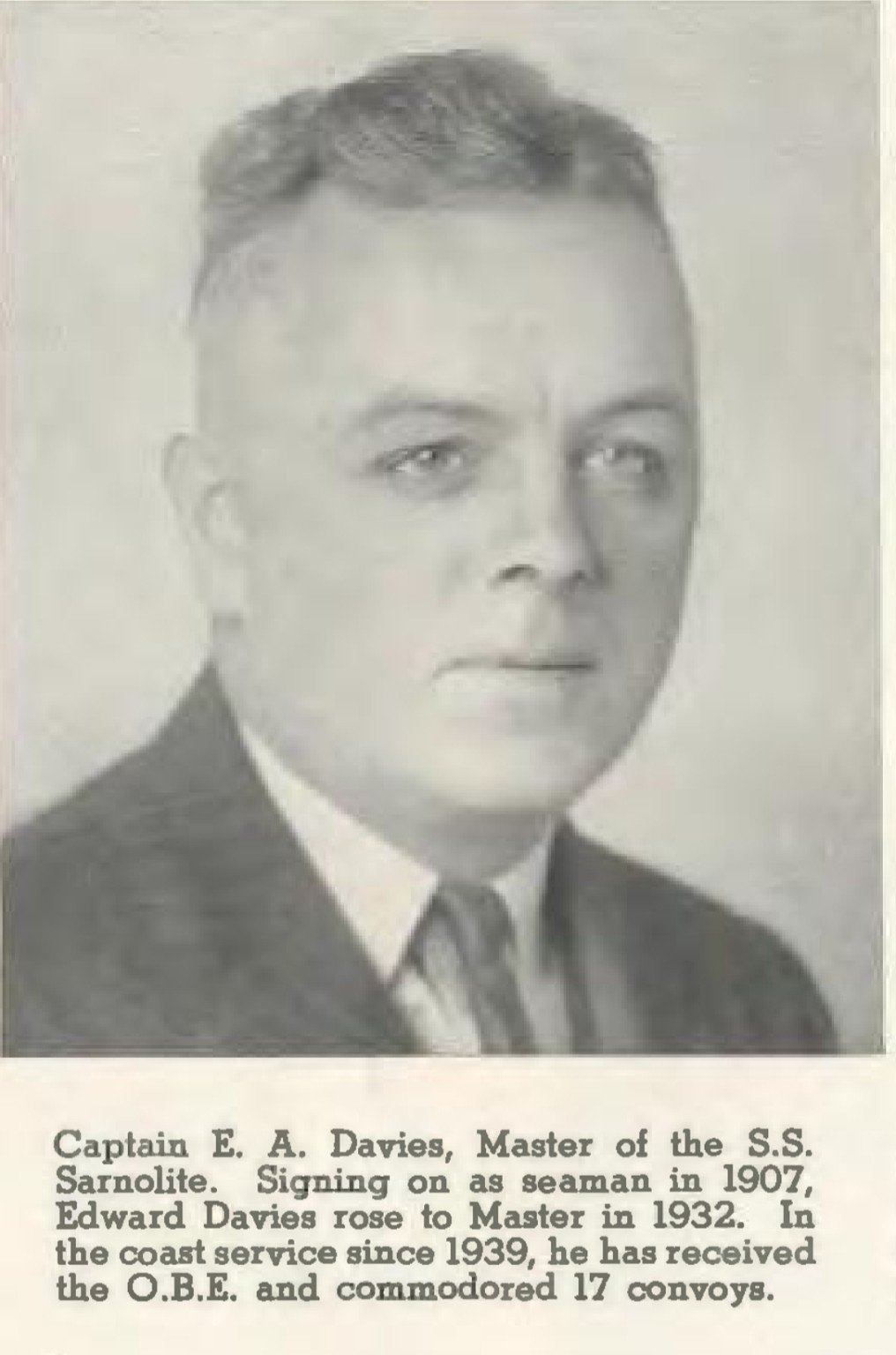
- Wartime career: the Winter 1945 Imperial Oil Review identifies Captain E. A. Davies as Master of S.S. Sarnolite and credits him with seventeen convoy-commodore assignments.
- Wartime ships and geography: a published transcription of a 1944 Imperial Oil recommendation reports Davies as master of Sarnolite until 23 January 1944 on Halifax–Newfoundland–Labrador service, then master of Arlington Beach Park from February on Western Atlantic service. The transcription identifies the original as Department of Transport file 18-2-7, vol. 2, RG12, vol. 1106; the original archival page has not yet been independently inspected for this project.
- O.B.E.: independently proven in the official Canada Gazette, 1 January 1945.
- Father/son hull link: Sarnolite O.N. 134515 later became Imperial Hamilton O.N. 134515, aboard which Robert served in 1955.
The document that sharpens the war story
The new narrative uses a source that deserves a clear label. A Canadian merchant-navy awards compilation reproduces a transcription of an Imperial Oil recommendation dated 11 September 1944 and identifies its archival location as Department of Transport file 18-2-7, volume 2, RG12, volume 1106.
The transcription reports that Davies commanded Sarnolite until 23 January 1944 on the Halifax–Newfoundland–Labrador service, then Arlington Beach Park from February 1944 on Western Atlantic service. It also dates his Imperial Oil employment from January 1926. These details now give the wartime chapter geography and sequence without inventing a named U-boat encounter.
View the published awards transcription → · Priority archival follow-up: retrieve and compare the original RG12/1106 recommendation.
Photographs and artifacts
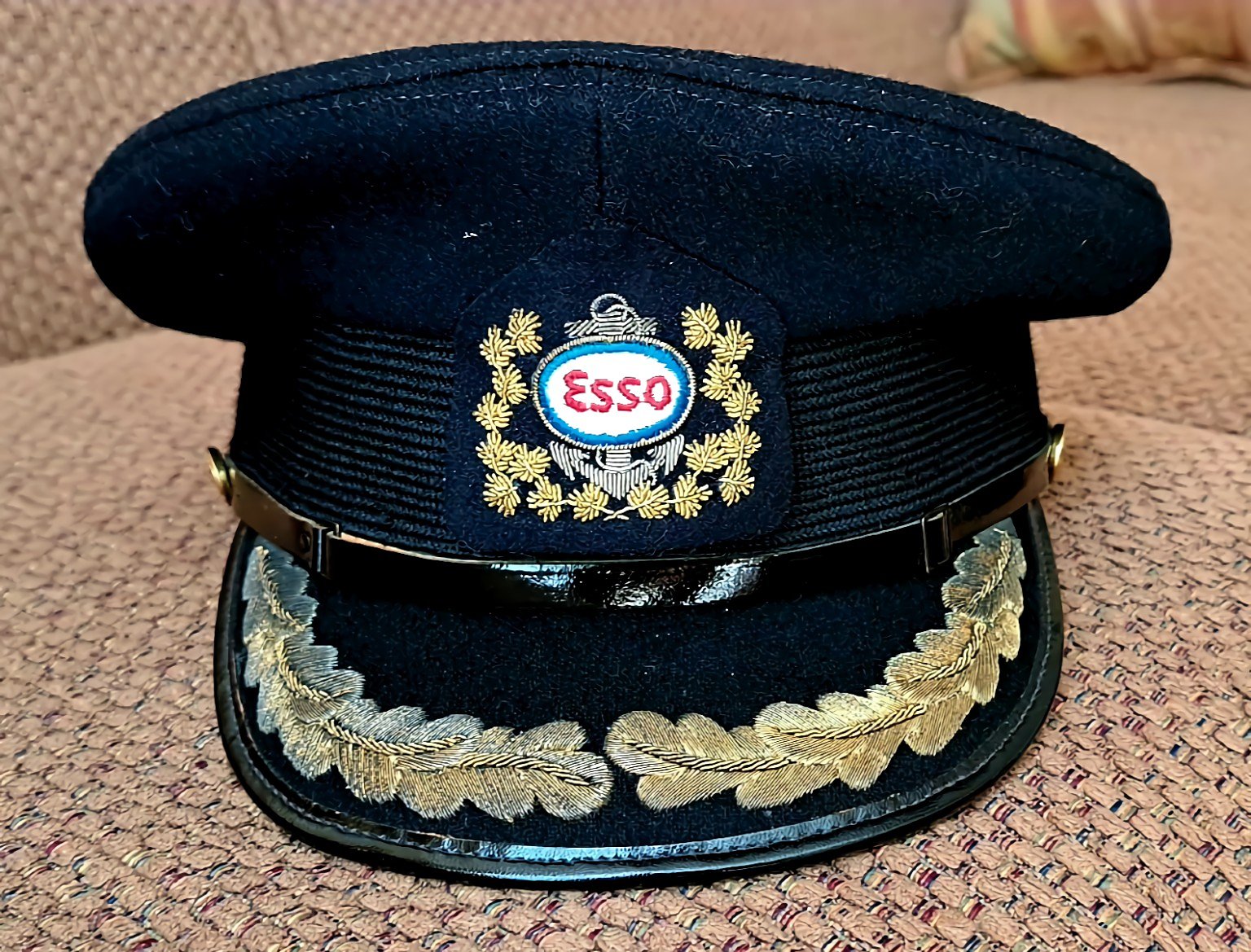
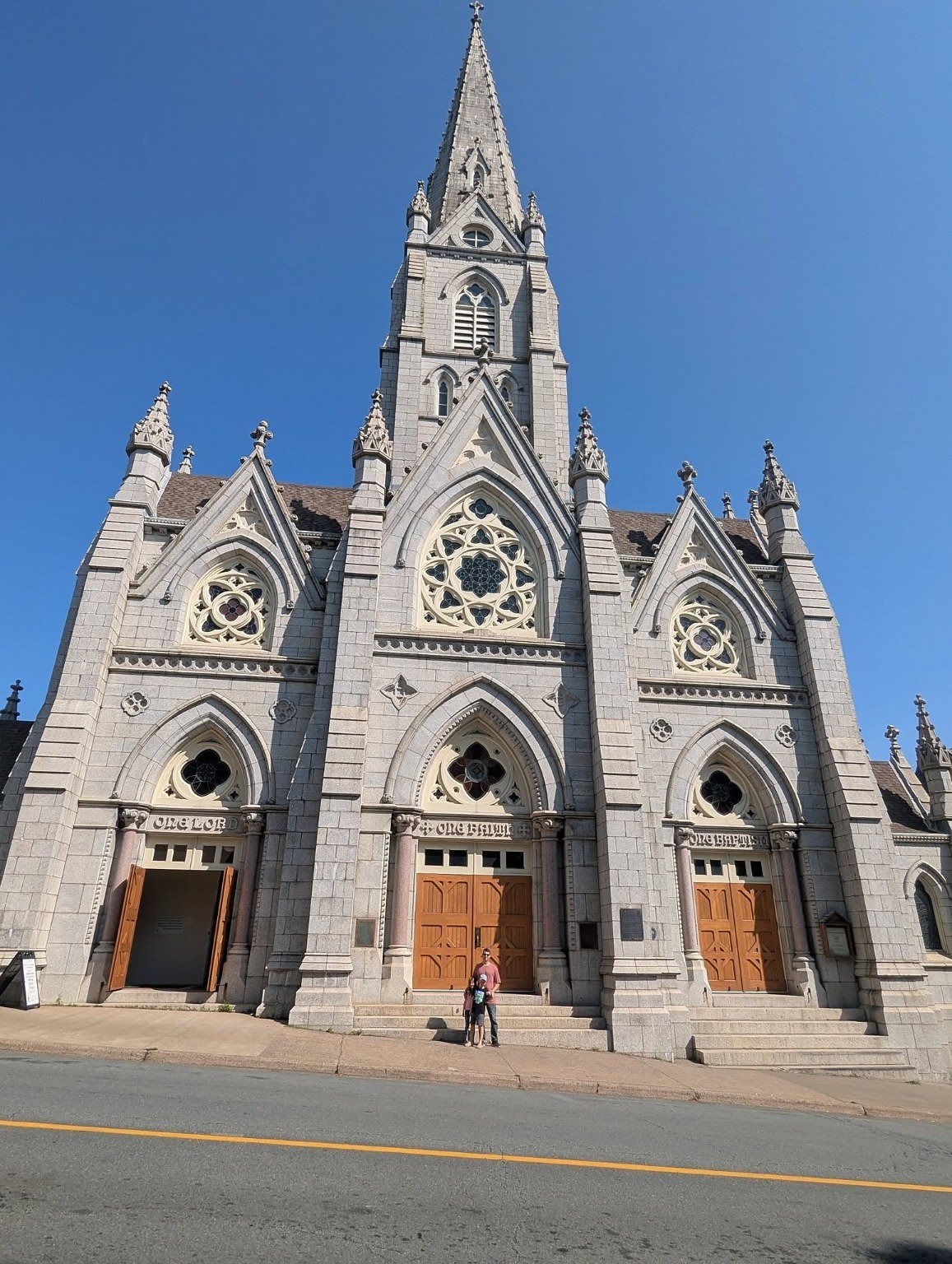
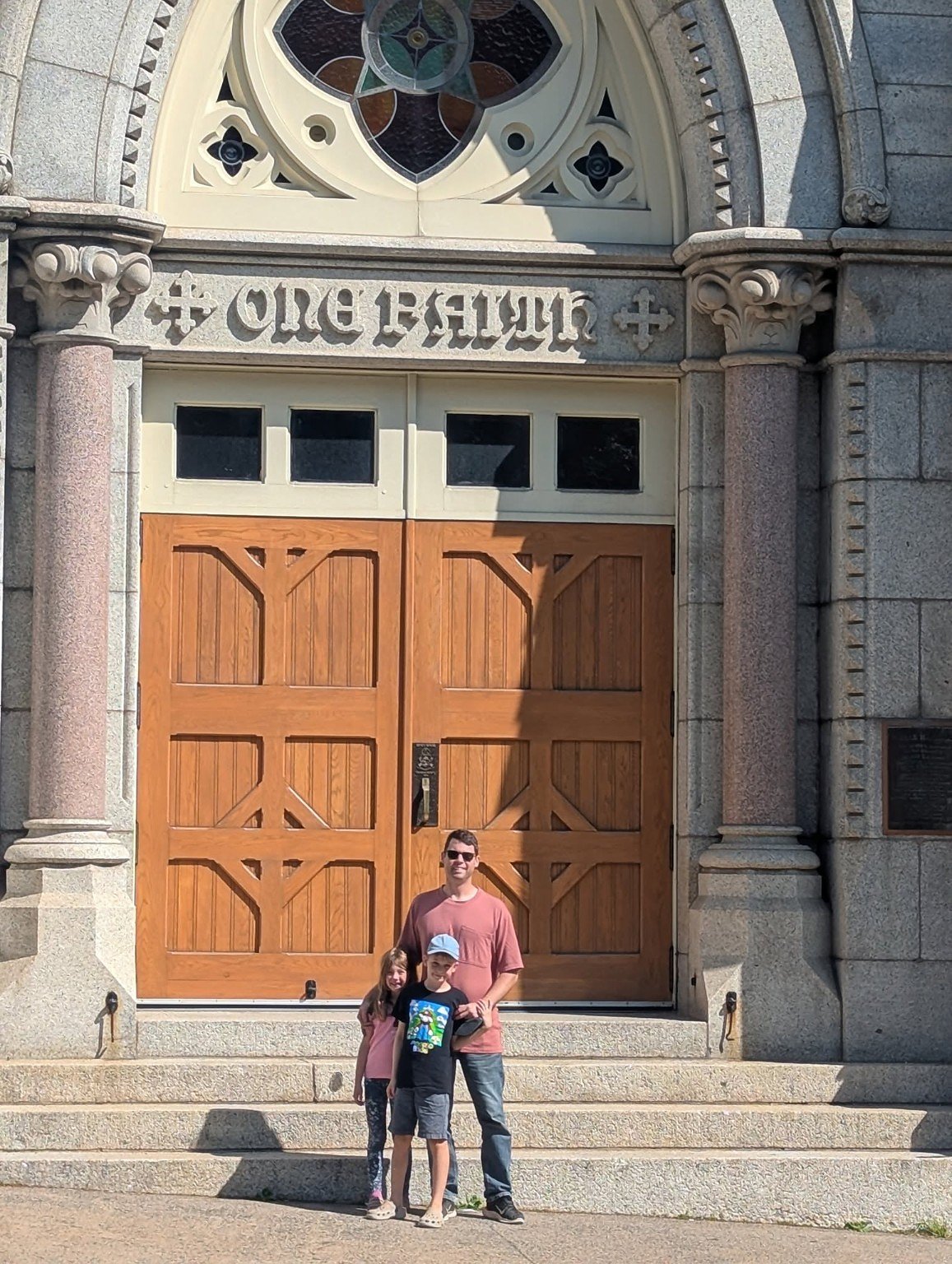
Halifax around the boy
The new story uses archival context rather than novel imagery. The visual additions are chosen to answer specific questions: What did Pleasant Street’s environment look like? How large was the 1917 disaster that reshaped the city? What did Halifax’s convoy harbour look like during the First World War?
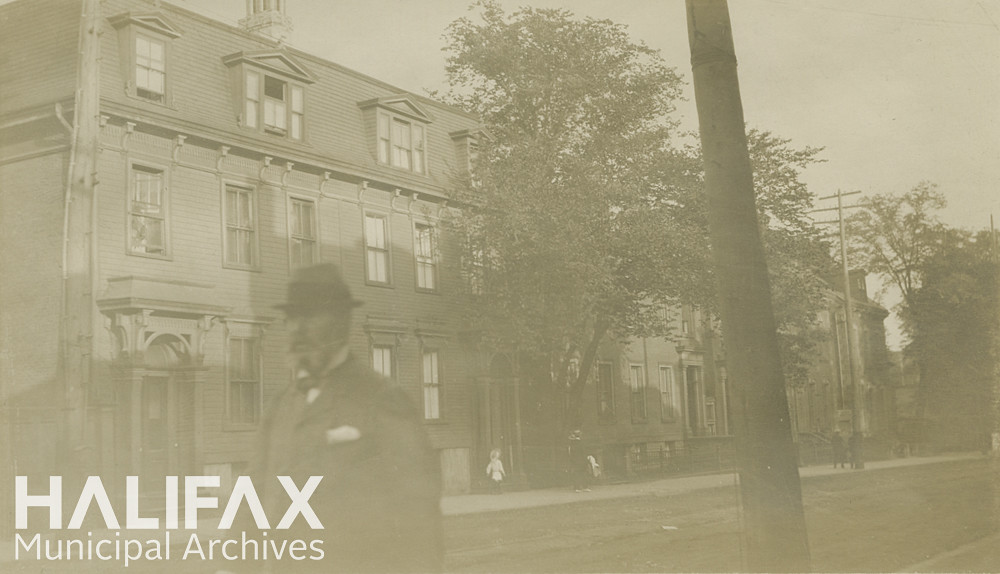
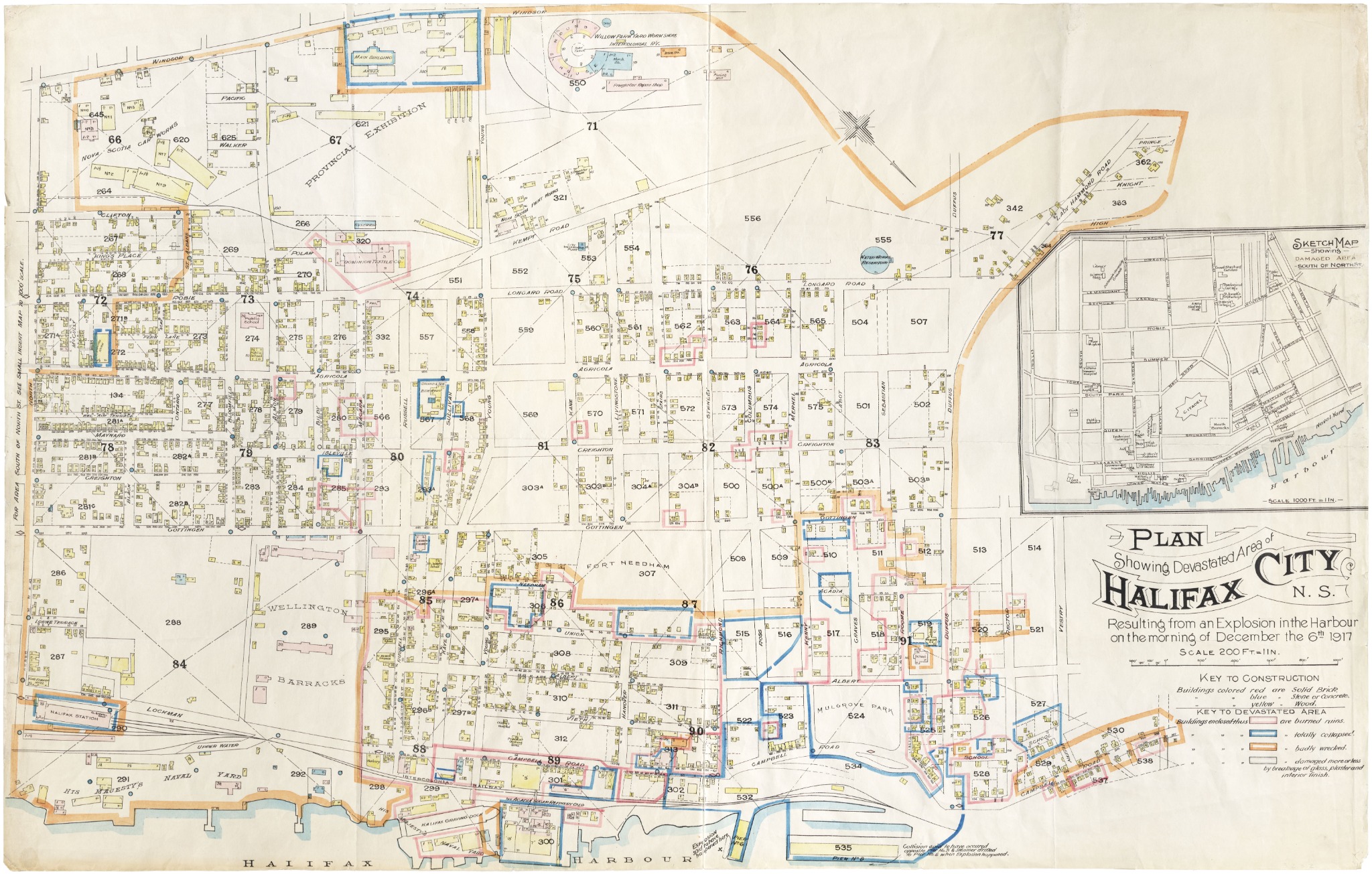
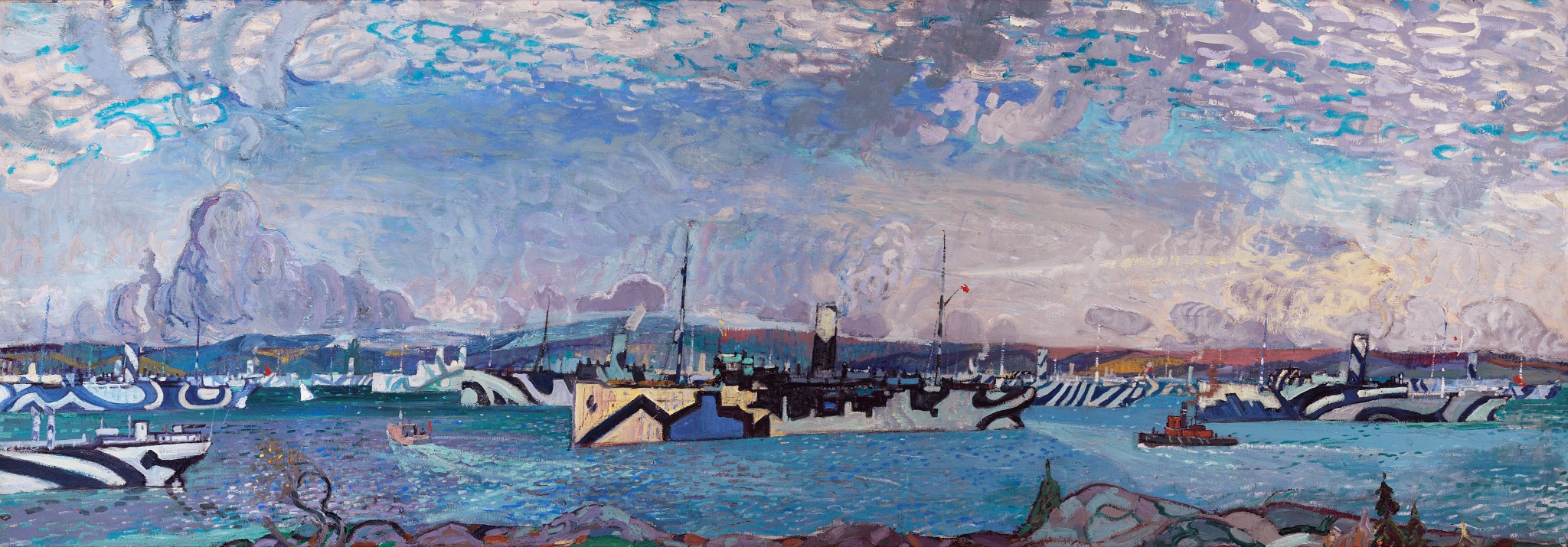
The historical-context images are explicitly separated from family evidence. The story never claims that Ted’s personal whereabouts or experiences are proven by them.
The questions that remain worth answering
| Question | Current position | Best next source |
|---|---|---|
| Who first cared for Ted after Ellen died? | No guardianship record yet; 1921 proves one sister-household placement, not the full sequence. | Halifax probate / administration / guardianship records for Alfred and Ellen. |
| What was the 1916–1920 household sequence? | Family memory says “sister to sister”; only part is documented. | Directories, sister marriages/deaths, probate, 1921 context. |
| When did Ted first go to sea? | “Young” is supported; age 12–13 is not established. The printed 1907 date is impossible as written. | Merchant seaman / master-certificate file. |
| What were the seventeen convoys? | Number is contemporary and strong; individual convoy numbers remain unassembled. | Convoy movement records, ship movement cards, naval/merchant files. |
| Can the 1944 recommendation be verified from the original? | A published transcription gives the letter date, file number, volume and detailed vessel/service chronology; the original page has not yet been independently inspected. | LAC / Department of Transport RG12, vol. 1106, file 18-2-7, vol. 2. |
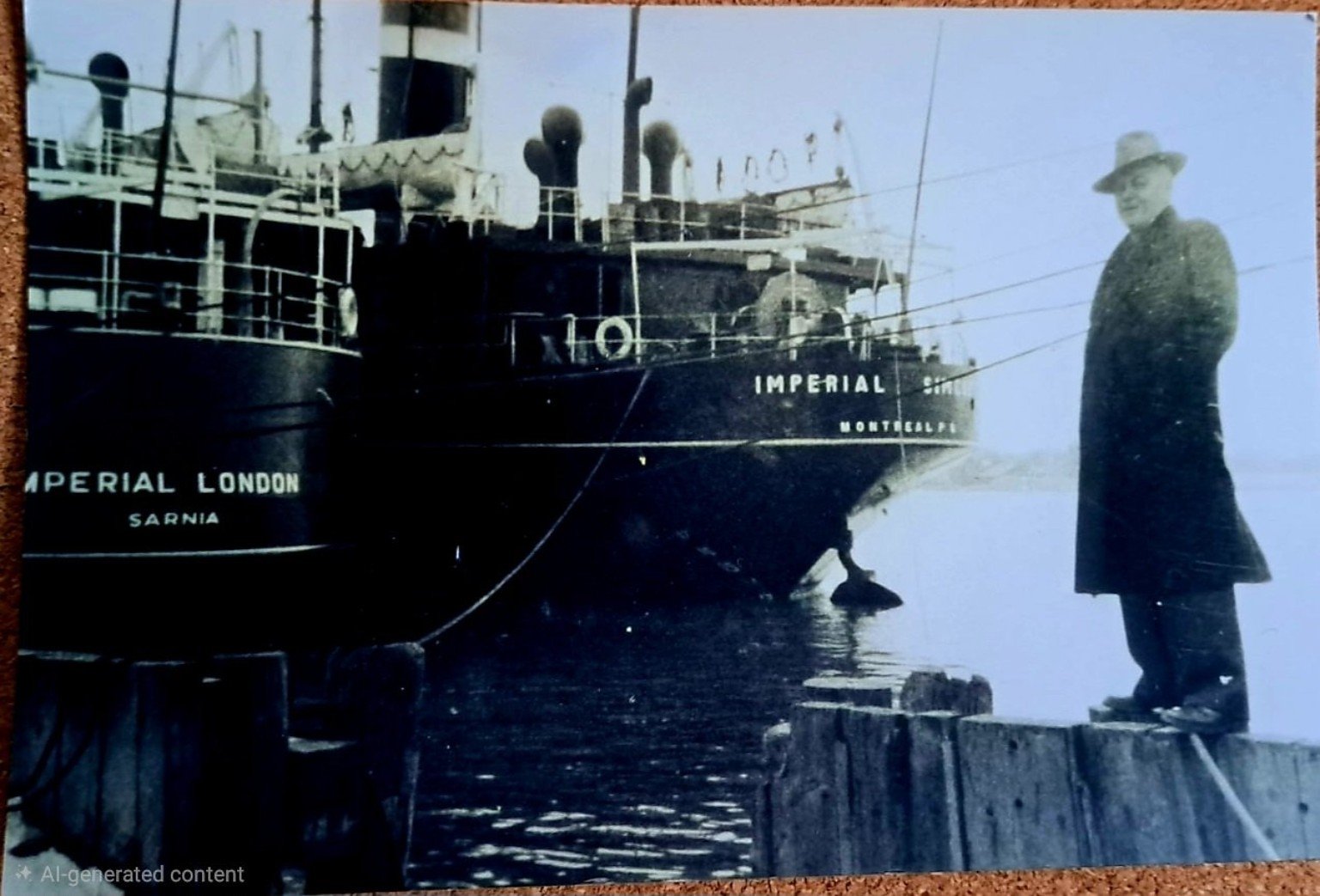
| Ship photograph date/location? | Ted, Imperial London and Imperial Simcoe identified by family; exact port/date open. | Family album sequence, ship schedules, second-witness identification. |
Where the documentary story comes from
- 1891, 1911, 1921 and 1931 Canadian census records.
- Ellen Davies obituary, Halifax, July 1916.
- Nova Scotia marriage and birth registrations supporting the sister / Hall→McKenzie chain.
- McAlpine Halifax city directories.
- Ted Jr. interview and preserved raw audio, August 2026.
- Winter 1945 Imperial Oil Review, “Captains Courageous.”
- Published transcription of the Imperial Oil recommendation of 11 September 1944, identifying Department of Transport file 18-2-7, vol. 2, RG12, vol. 1106 as the original source location.
- Canada Gazette, 1 January 1945, O.B.E. appointment.
- Robert James Davies’s discharge book and vessel identity records establishing the Sarnolite→Imperial Hamilton hull link.
- Nova Scotia Archives, Halifax Municipal Archives, Parks Canada, Canadian War Museum and official Royal Canadian Navy historical material for contextual Halifax and wartime evidence.
Open the full preservation appendix → for the complete source register, evidence tables, visual timeline, contradictions and research protocol.