The book stops at nineteen
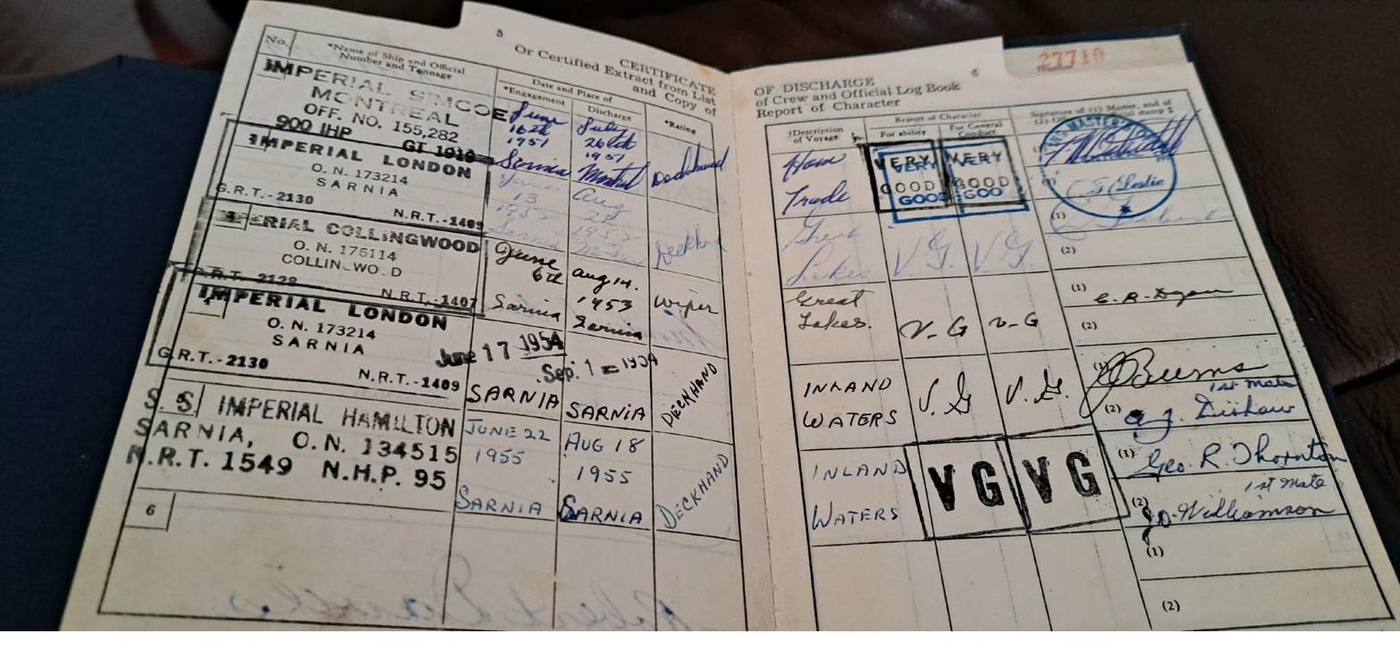
On the last line of my grandfather’s seaman’s book, the official story ends on 18 August 1955 in Sarnia. Robert James Davies is nineteen years old. His ability is marked VERY GOOD. His conduct is marked VERY GOOD. Then the little blue book falls silent.
That was almost exactly backwards from the grandfather I knew.
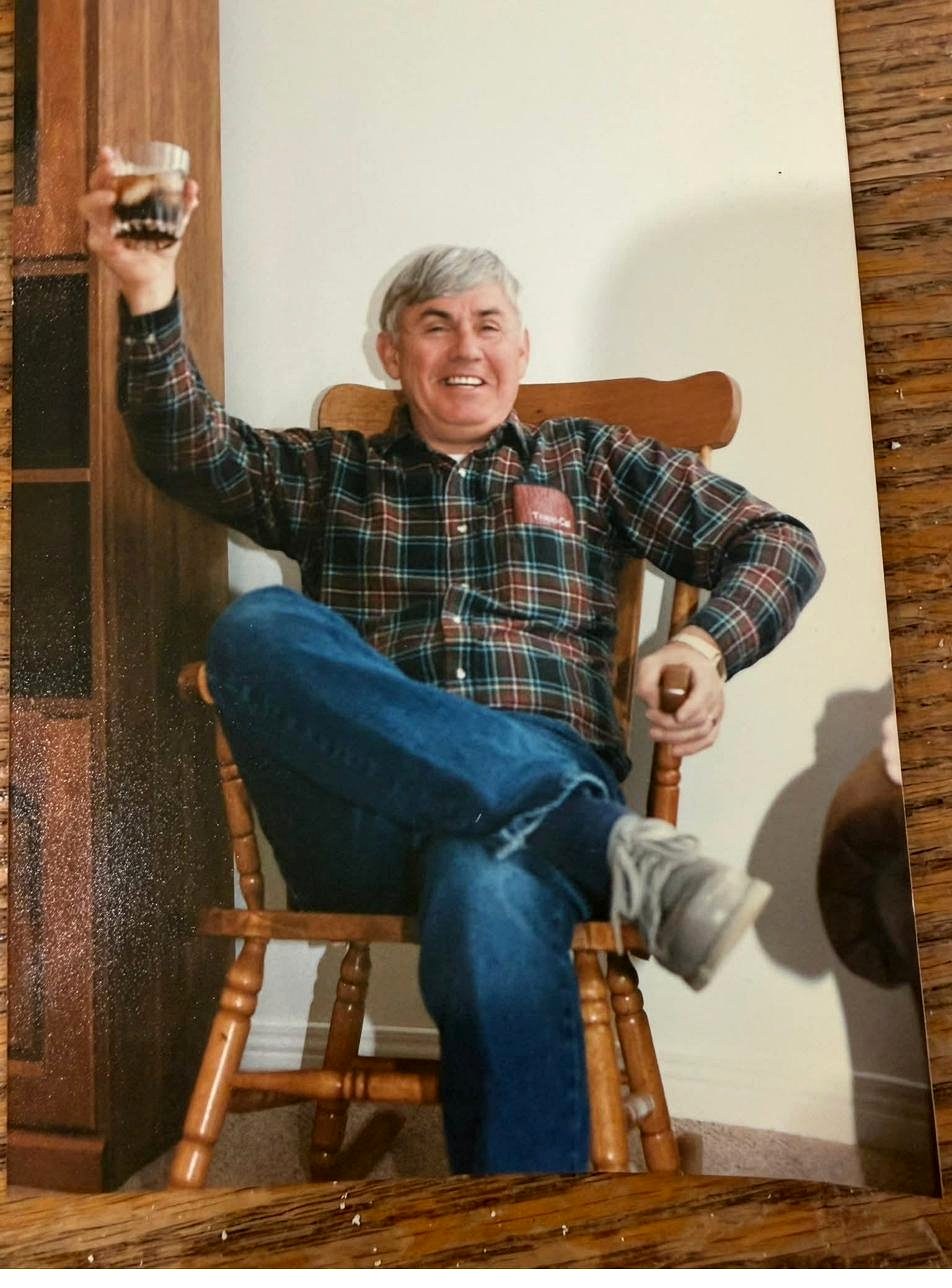
By the time I was old enough to remember him, ships were ancient history. I knew Tigers games with a radio nearby. I knew St. Benedict’s, the breakfast programme, Christmas hampers, a pool full of grandchildren, and the man in the rocking chair laughing with a drink raised. I knew he had worked for Imperial Oil. I knew he loved baseball. I did not know that, from fifteen through nineteen, a tanker had taken every one of his high-school summers.
The first person to turn the book into a story was my mother, Brenda. She told me these were her father’s high-school jobs, that he did not particularly want to spend his summers at sea because he wanted to play baseball, and that his father had arranged the work.
With that one memory, the ledger had a story in it.
The book carried another problem too: it made Robert a year older than the church register did. The ship names led toward his father, whose wartime record turned out to be much larger than I had understood.
Before He Was Grandfather
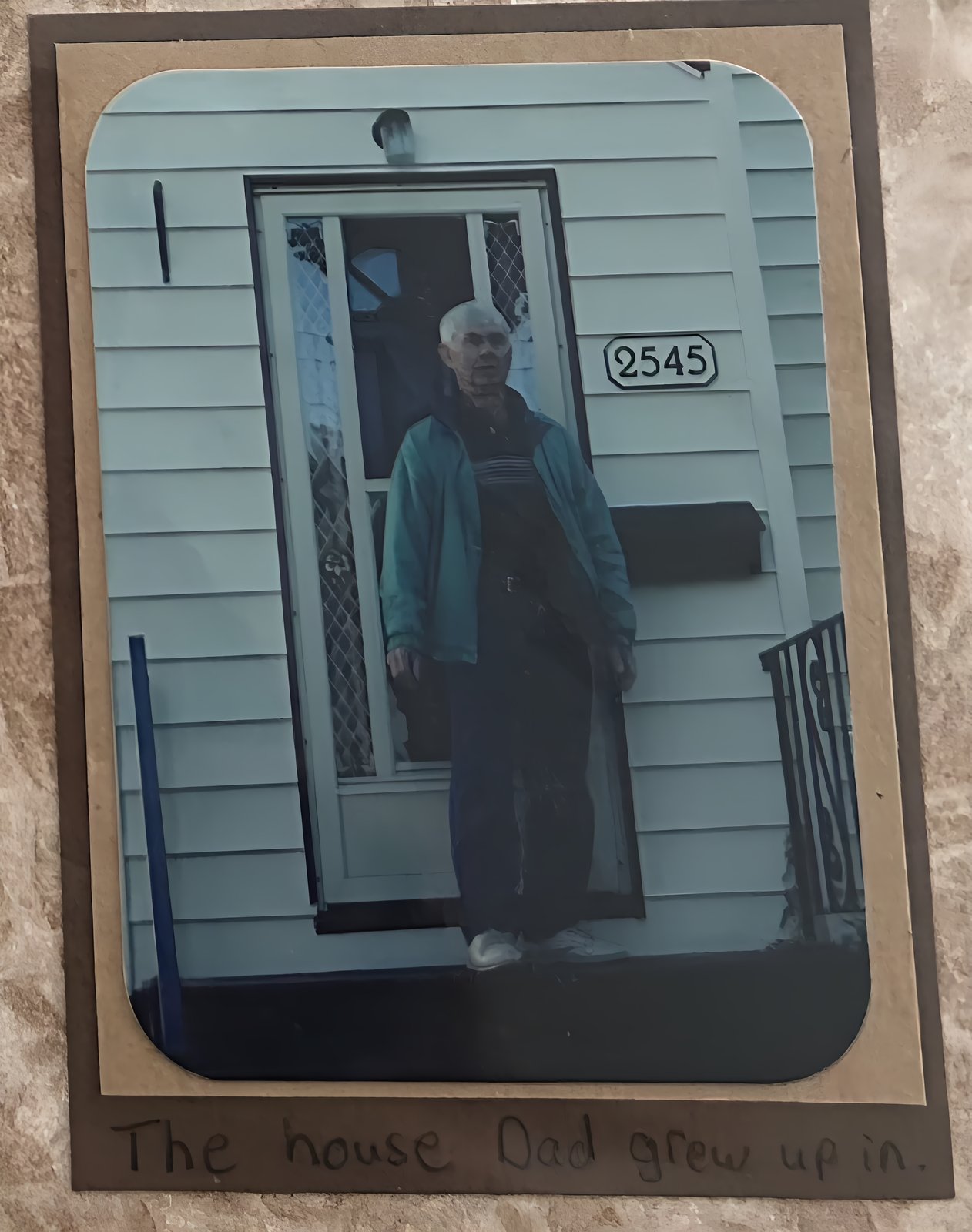
Montreal, Halifax, Sarnia. A boy in a baseball uniform. A house on Beech Street. A school photograph. The surviving pieces return Robert to adolescence before the ship entries begin.
Put his age back into the picture
Family history has a habit of flattening the young. A grandfather appears in an old photograph and somehow looks as if he has always been a grandfather. Robert’s records refuse that shortcut.
A contemporary baptismal register at Saint Aloysius parish in Montréal records Robert James Davies as born on 2 April 1936 and baptized six weeks later. His parents are named as Edward Alfred Davies and Eileen Supple. Eileen’s own signature appears below the entry.
From Montréal, the family story moves through Halifax and eventually to Sarnia. The timing of those moves is still blurred, but all three cities belong to Robert’s childhood.
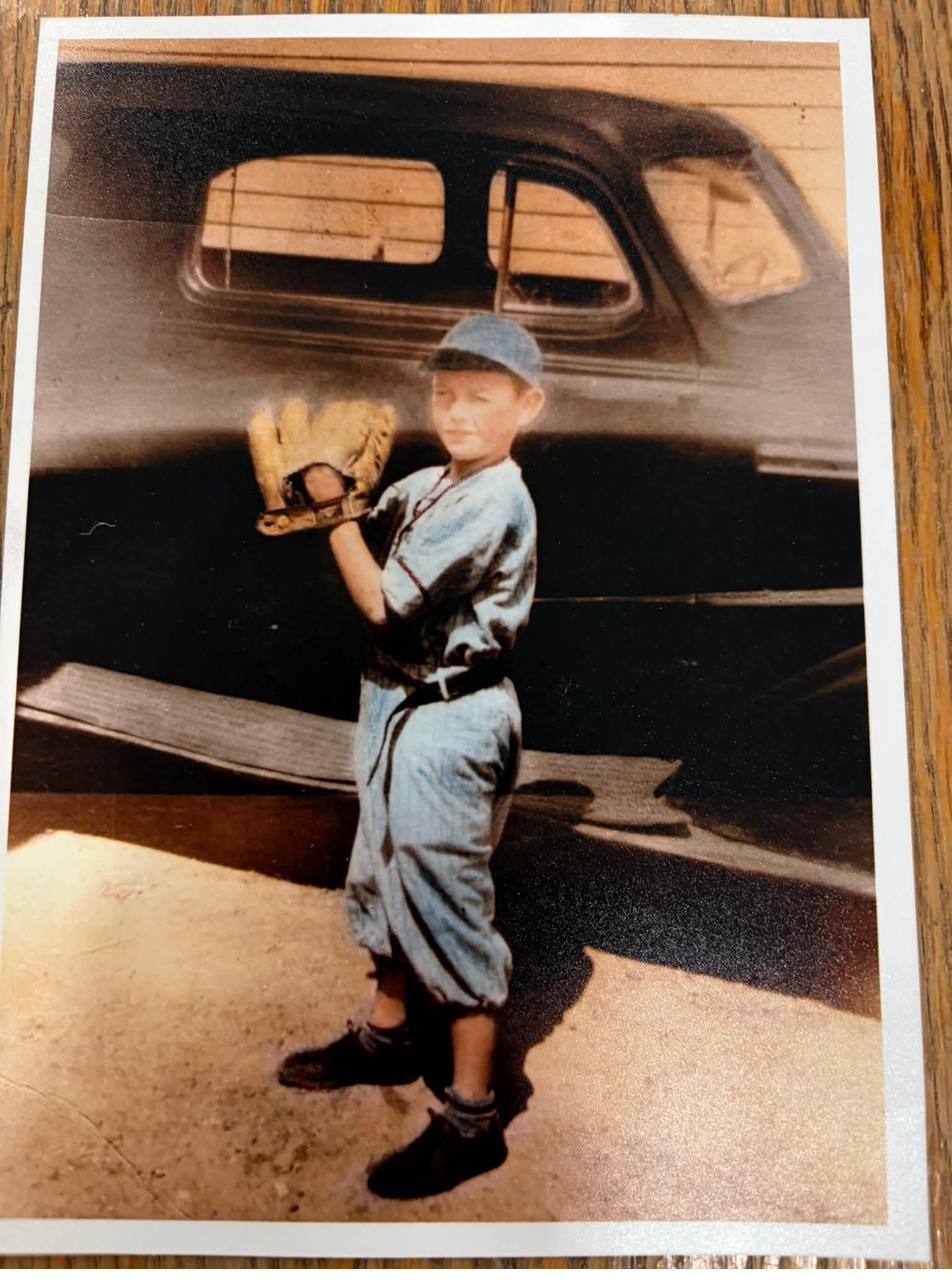
One surviving photograph cuts through all of that chronology. Robert is a boy in a baseball uniform, cap on, catcher’s glove in hand. The image has been colourized and its exact date is unknown, but the subject is not in doubt. Before tankers, there was baseball.
By 1950 he was in Grade 8 at St. Joseph’s School in Sarnia. From 1950 through 1955 he attended St. Patrick’s High School. When I put the school record beside the discharge book, the pattern became exact: five high-school years, five summer engagements. The first came after Grade 9; the last began after graduation.
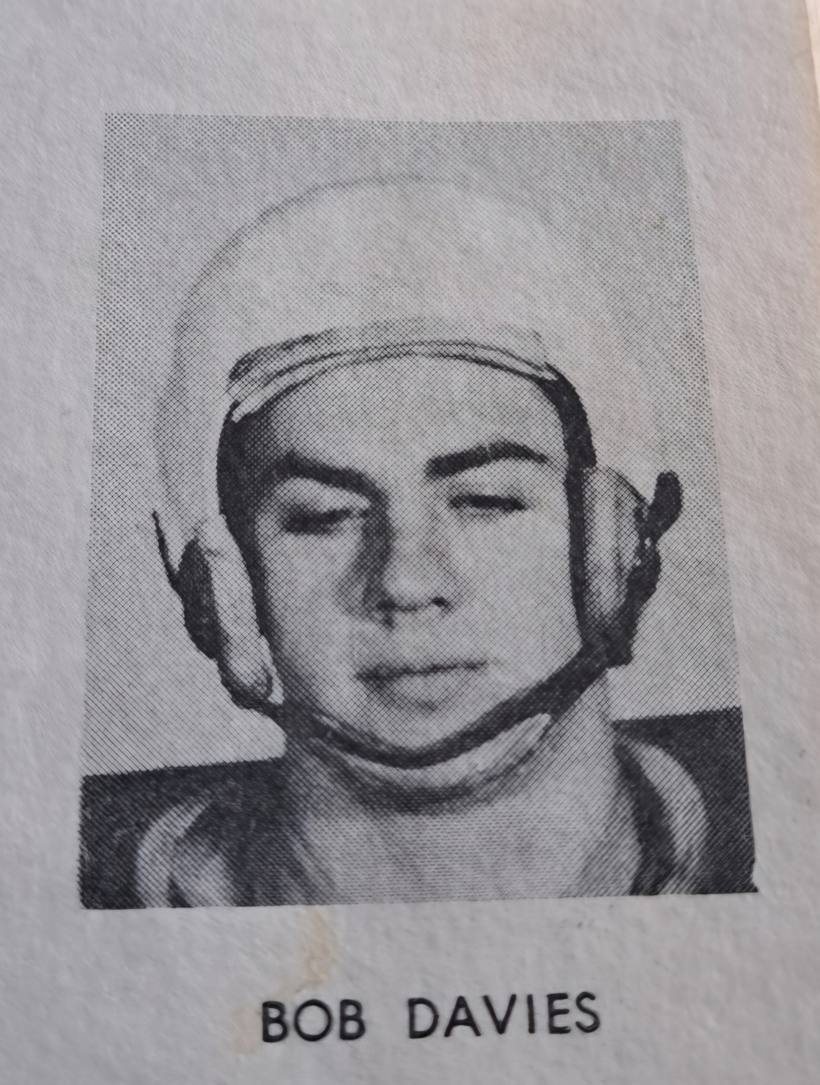
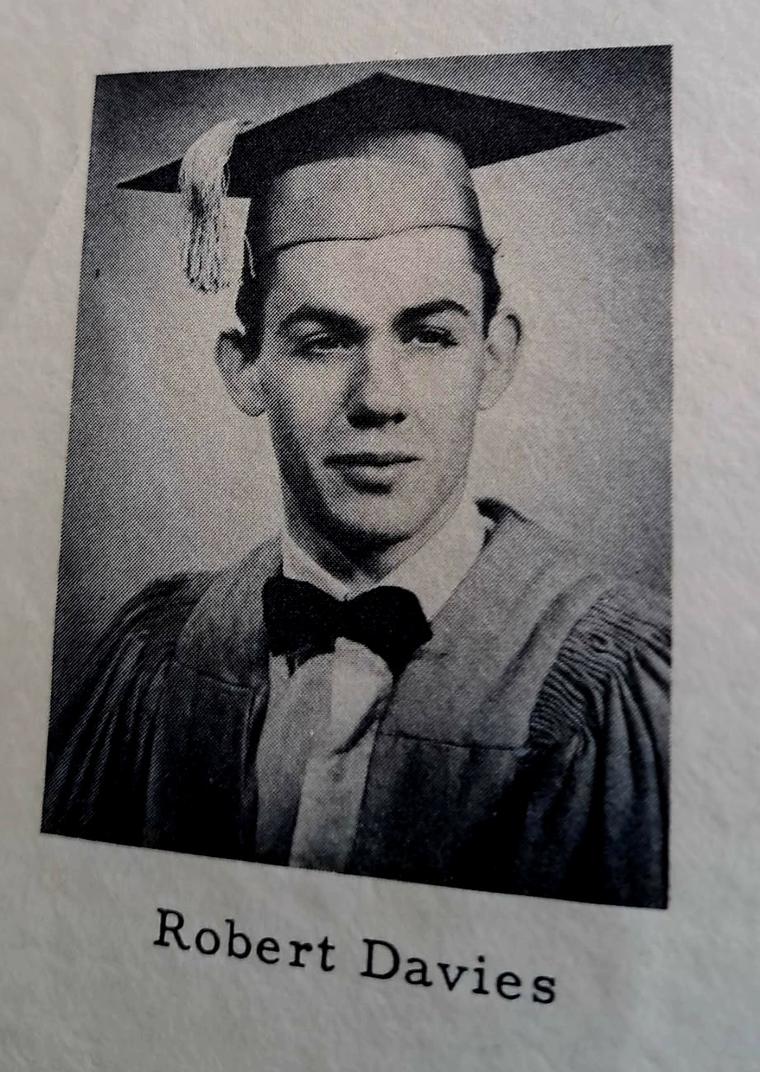
The school record is lively in ways the maritime record is not. The 1955 yearbook puts him on the business staff, identifies him as a basketball player and calls him a high scorer for the Fighting Irish. Then there is the line that sounds unmistakably like a classmate remembering him: “progressive tackler through the 11.55 hall traffic.” Robert was five foot five.
Forty years later, I played football at the same school. The physical comparison is almost comic: he was five foot five; I was about six feet and 200 pounds. Different people, different eras, same school, same sport. For the record, I did not tackle anyone in the hallways.
On another copy of his graduation page somebody added a beard, moustache, earrings and a large W, and wrote beside him: Bob Davies, “THE BRAT.”
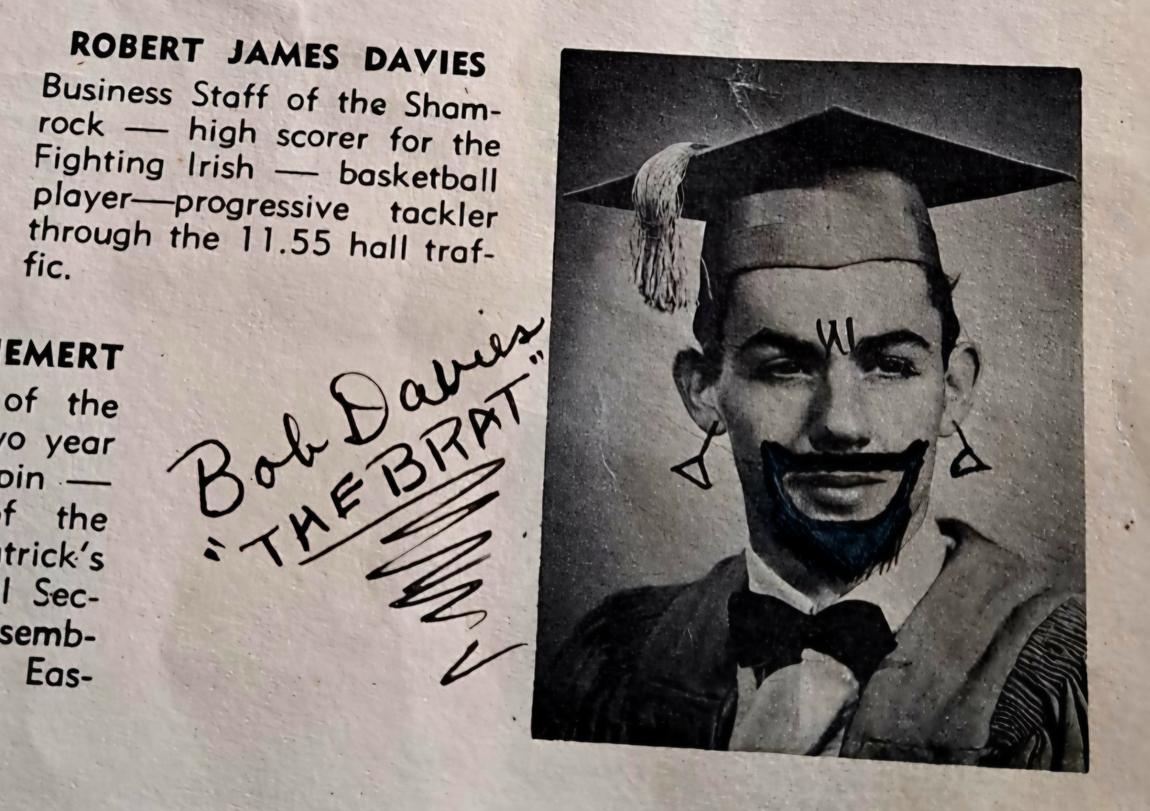
At school he could be “The Brat.” Aboard ship, five separate sign-offs judged his ability and conduct very good. Both belong to the same boy.
Five Summers
At fifteen he joined his first Imperial Oil tanker. At sixteen he went back. At seventeen he worked in the engine room. At eighteen he returned to a ship he already knew. At nineteen he signed on one last time.
One line per summer
A seaman’s discharge book is a compact administrative object: ship, rating, port, date, conduct. It has no field for the baseball season a boy would rather be playing.
| Year | Ship and rating | Engagement | Age |
|---|---|---|---|
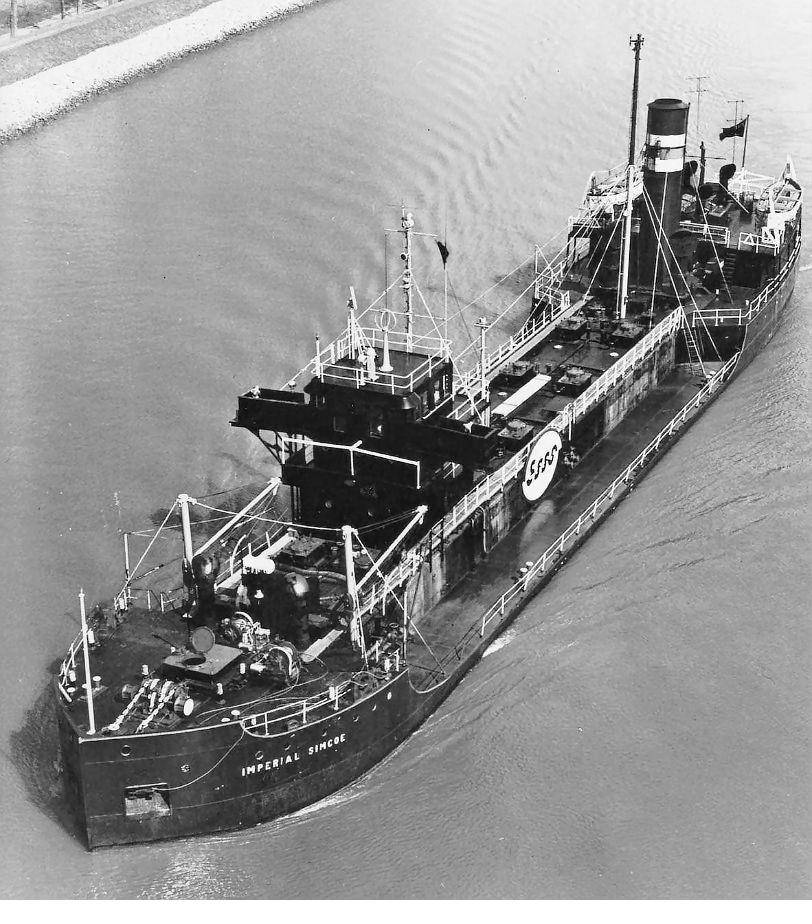
| 1951 | SS Imperial Simcoe Deckhand · Home Trade | 16 Jun, Sarnia → 26 Jul, Montréal | 15 |
| 1952 | Imperial London Deckhand · Great Lakes | 13 Jun, Sarnia → 22 Aug, Montréal | 16 |
| 1953 | Imperial Collingwood Wiper · Great Lakes | 6 Jun → 14 Aug, Sarnia | 17 |
| 1954 | Imperial London Deckhand · Inland Waters | 17 Jun → 1 Sep, Sarnia | 18 |
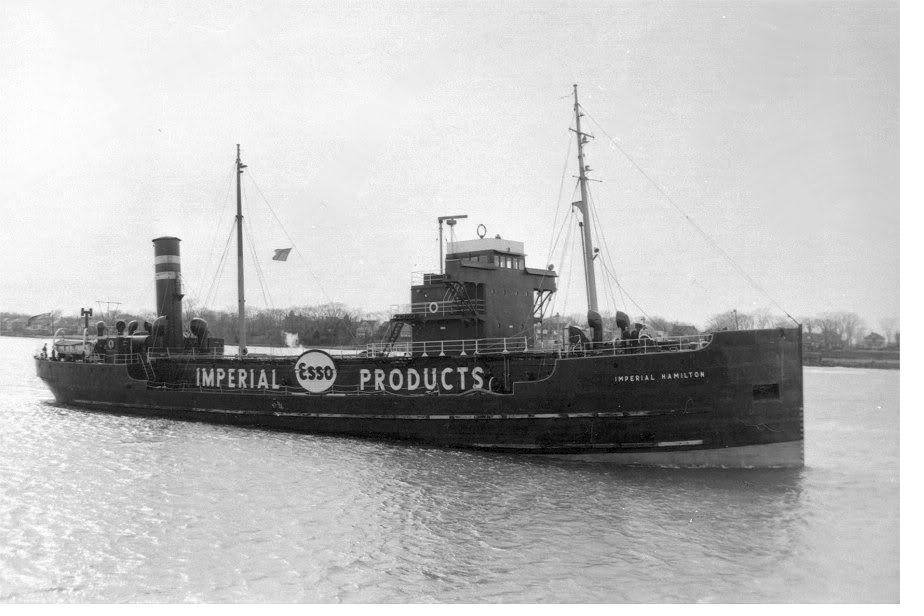
| 1955 | SS Imperial Hamilton Deckhand · Inland Waters | 22 Jun → 18 Aug, Sarnia | 19 |
One detail in the book had been wrong from the beginning. It gives Robert’s birth year as 1935; the baptismal register gives 2 April 1936. That makes him fifteen when he first signed onto the Imperial Simcoe. Brenda remembered her father saying he had lied about his age and “was only 15.” Who actually put 1935 into the book, and why, is something the family still does not know.
The book is precise about engagements and almost silent about experience. We know when Robert joined and left each ship, what rating he held and how his officers judged his work. We do not know which watches he stood, which crewmates he liked, what he thought as Sarnia slipped behind him, or how often he counted the days until baseball. Historical context can surround those blanks, but it cannot fill them.
The first summer
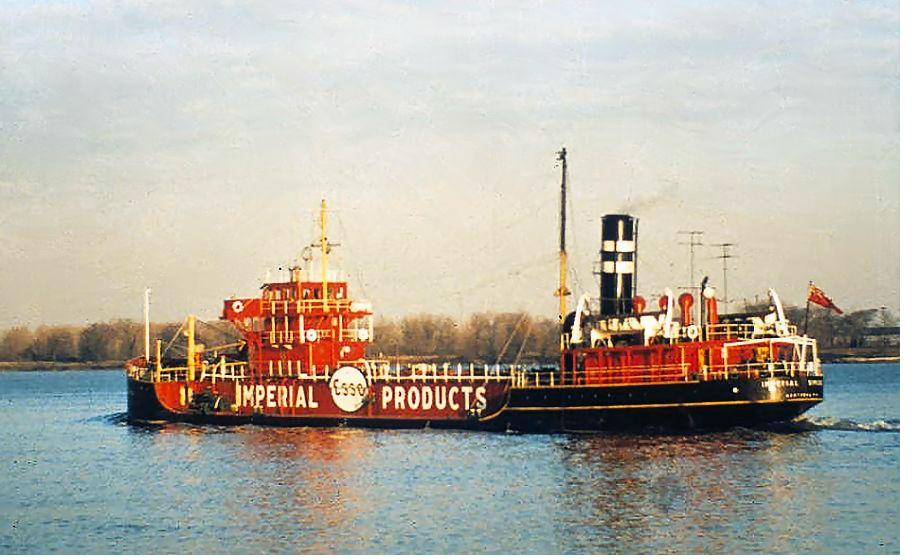
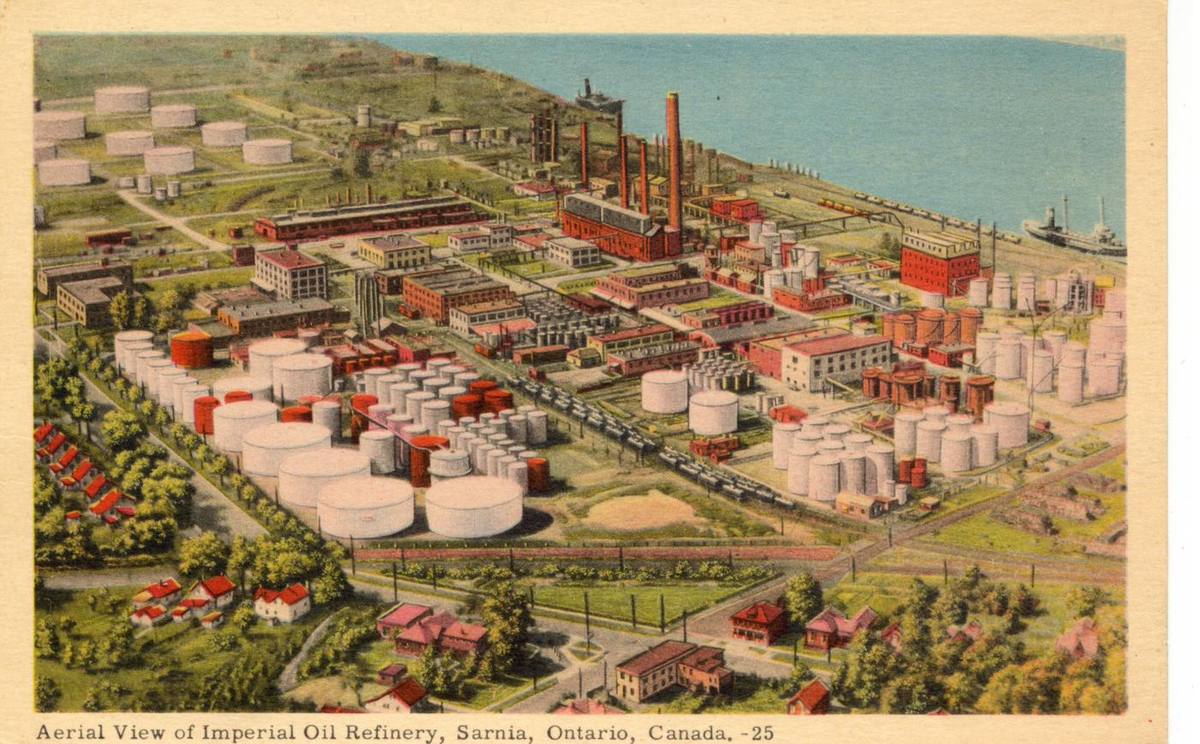
Ten weeks after his fifteenth birthday, Robert signed on at Sarnia. The Simcoe carried him into an industrial world his father understood far better than he did.
A deckhand worked where the ship met weather and water: lines, decks, hatches, cargo gear, maintenance, cleaning, whatever the day demanded. When Robert left the ship at Montréal on 26 July, his ability and conduct were both marked very good.
The line that almost disappeared
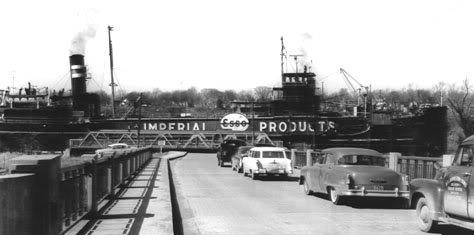
The 1952 entry is in pencil and faded badly enough to be mistaken, for a time, for a mark bleeding through from another page. Robert joined the Imperial London on 13 June and left at Montréal on 22 August.
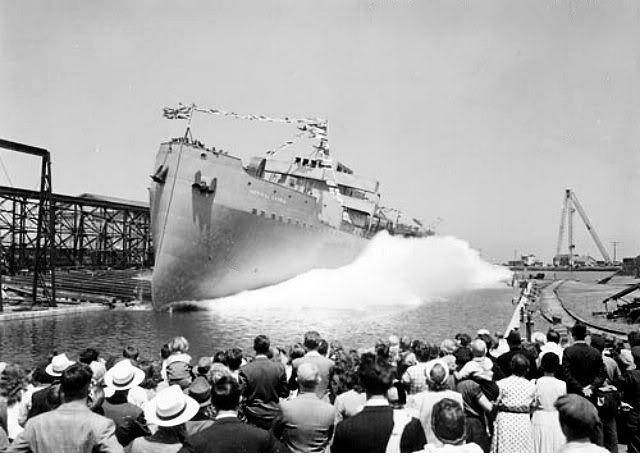
The ship itself was almost new, launched at Collingwood in 1948. He would see her again.
Below decks
For one summer Robert left deck work for the engine room, rated wiper. A wiper’s job was entry-level machinery-space work: cleaning oil and grime, keeping spaces usable and assisting more experienced engine-room hands.
1953 was a crowded summer. On 21 May, a tornado tore through Port Huron and Sarnia, killing seven people. On 2 June, Canada marked the coronation of Queen Elizabeth II. Four days later Robert signed aboard Imperial Collingwood. While he was still under engagement, the Korean Armistice was signed on 27 July. He came home to Sarnia on 14 August.
Exactly fifty years later, on 14 August 2003, I was aboard HMCS Kingston on the Great Lakes when one of the largest blackouts in North American history swept across Ontario and the northeastern United States. Roughly fifty million people lost power. We were at sea while much of the world ashore around us went dark.
I did not know Robert’s date then. His 1953 discharge and the blackout fell on the same day, on much of the same water, fifty years apart.
Back to a known ship
Robert returned to the Imperial London for his longest engagement, 17 June to 1 September. He was eighteen now, back on the same ship he had known at sixteen.
The last ship — and the first surprise
Robert’s final tanker was the oldest of the group. Built in 1916 as Sarnolite, she had changed names more than once before becoming Imperial Hamilton.
Years later, that earlier name stopped me. It was already in the family record. In the middle of the war, a decade before Robert signed on, his father had commanded her as Sarnolite.
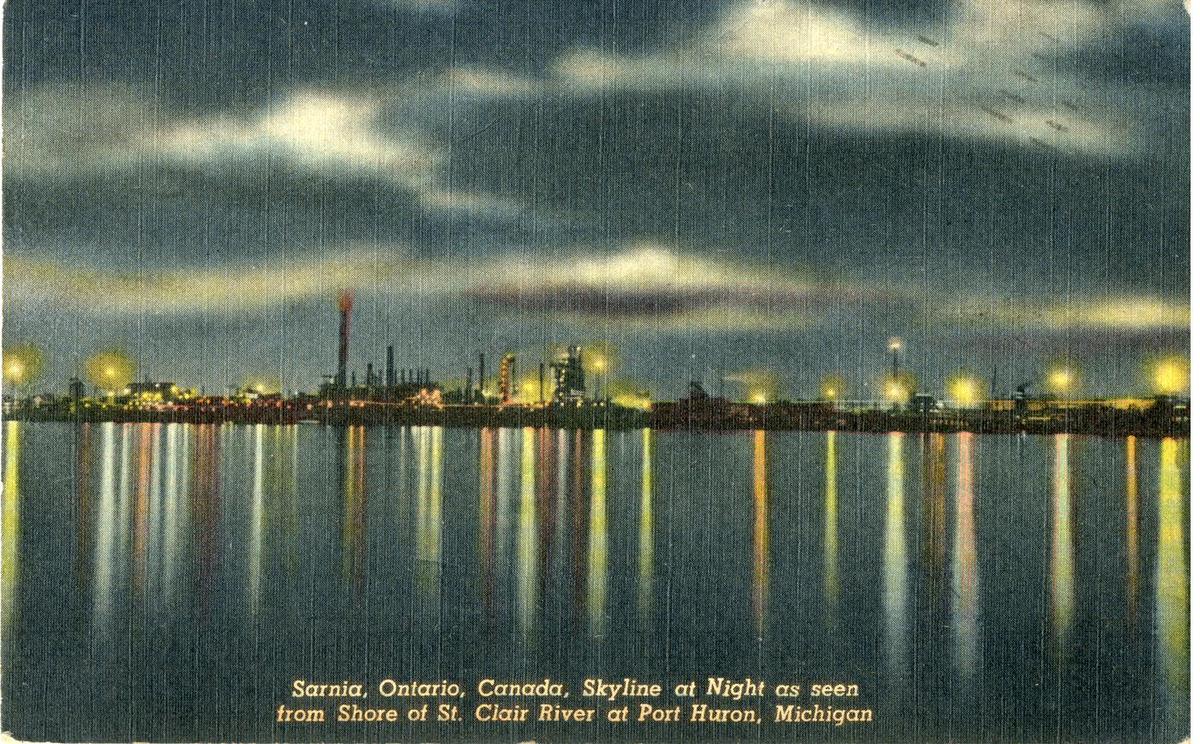
On 18 August, Robert signed off in Sarnia. As far as the family knows, that ended his seafaring; Book 27710 records nothing after that date.
The blue book closes at nineteen.
The Father Behind the Berth
Once Robert’s five summers were clear, I had to understand the father who, as Brenda remembered it, had arranged them. The trail led backward to Halifax — and, before it led to the Atlantic war, to the sisters who surrounded an orphaned boy.
Before there was a captain
By adulthood, Ted carried imposing titles: master mariner, Imperial Oil captain, wartime convoy commodore, O.B.E. His story begins somewhere much smaller — a crowded Halifax family and a boy who was orphaned at ten.
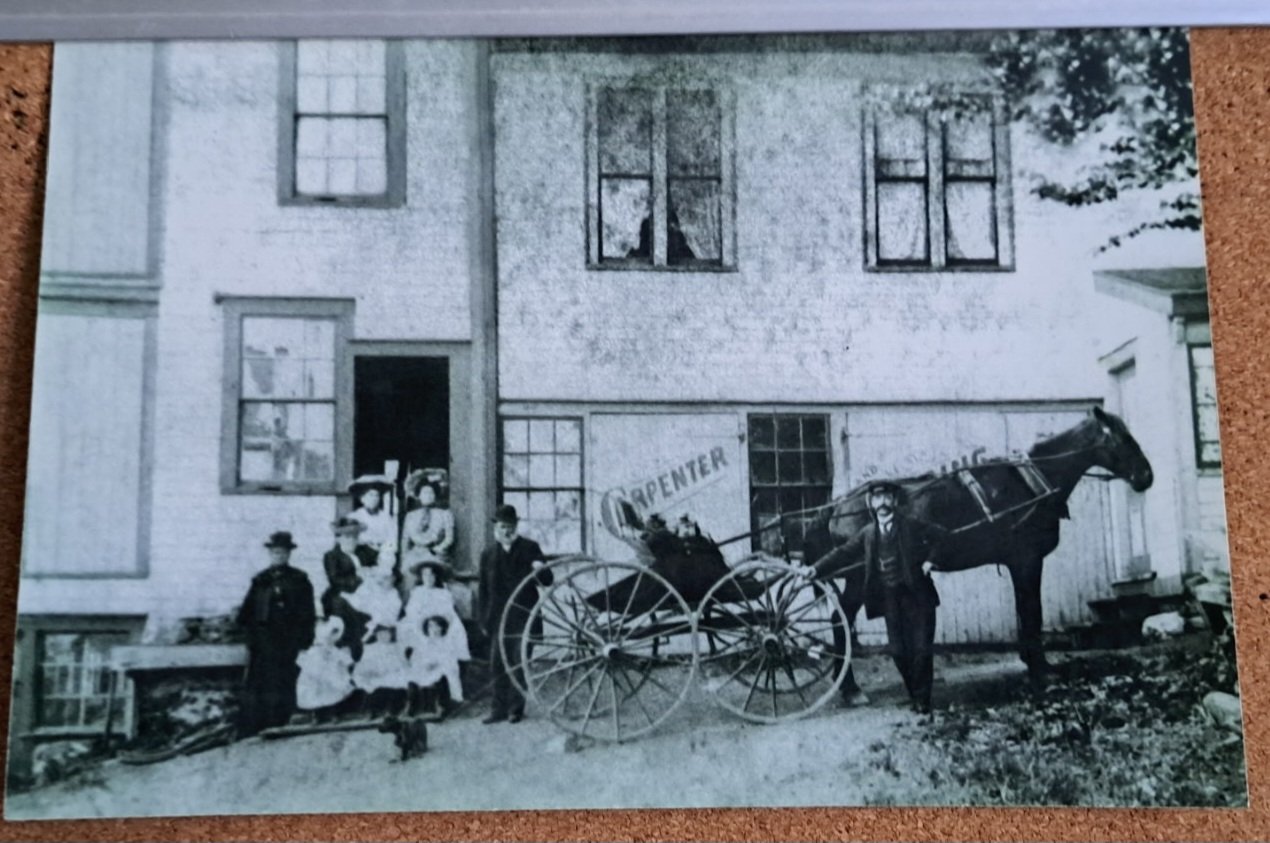
He was born in Halifax in November 1905 into a family already full of girls. The names written on the back of the surviving 1904 photograph are Lottie, Laura, Nellie, May, Florence, Bertha and Alice. His father, Alfred, was a carpenter. Alfred died in 1915; his mother, Ellen, followed in July 1916.
The sisters around him
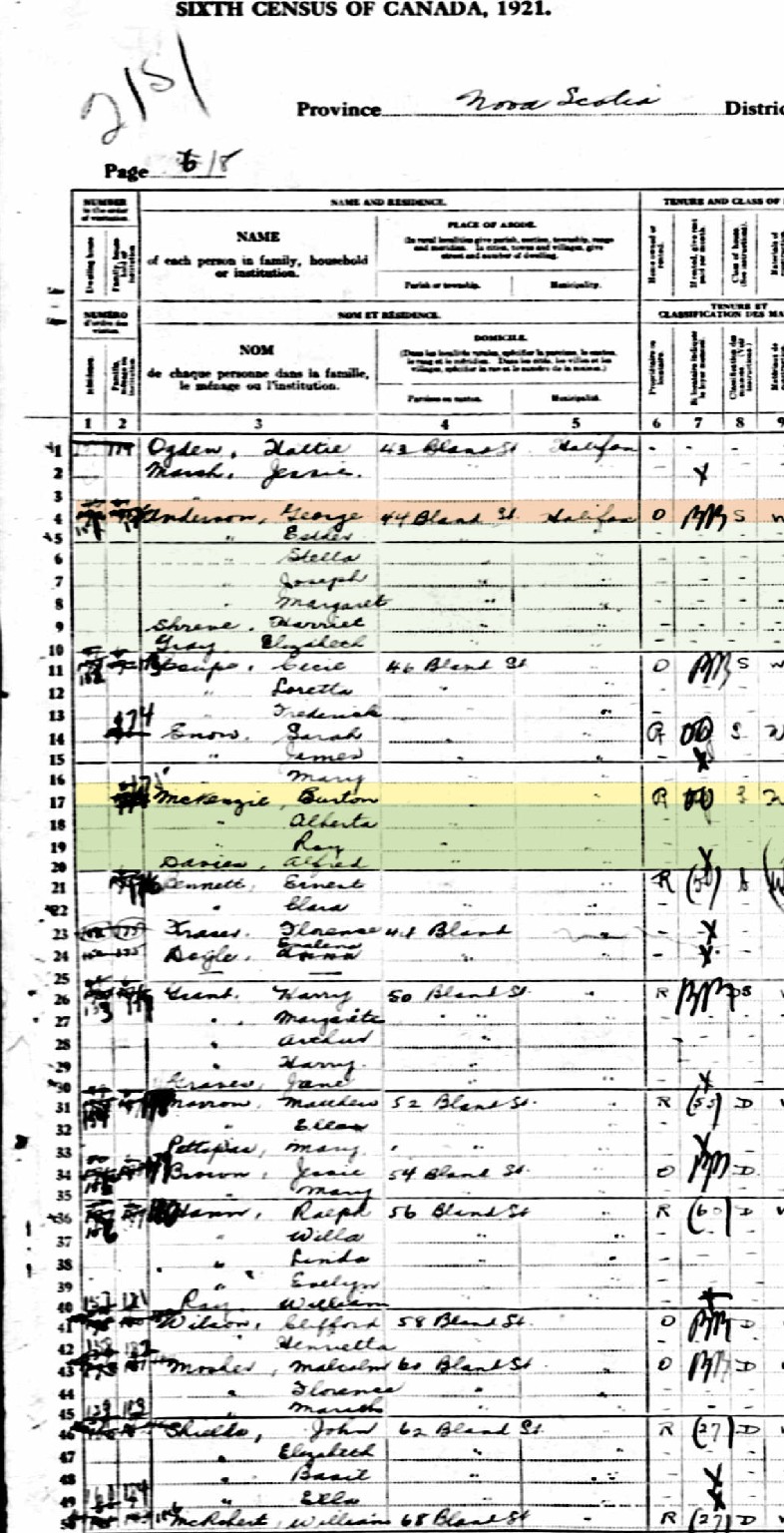
The paper trail thins after Ellen’s death, but it does not leave Ted standing alone. Family memory held that the orphaned boy went “from sister to sister for maybe a little while.” By 1921, we can place him at 46 Bland Street with Burton McKenzie and Burton’s wife, Ted’s sister Violet Alberta Davies — a woman who appears elsewhere in the family record under the familiar forms Alberta and Bertha.
The exact route from 1916 to that household is still missing. What is visible is the shape around the gap: older sisters forming a family network. And it did not simply disappear once Ted grew up. Ted Jr. remembered his parents going often to visit one of his father’s sisters in Spryfield, sometimes walking roughly three miles with the children to get there. Whatever the precise sequence of houses in Ted’s orphan years, at least one of those sister-bonds was still close enough for the next generation to remember the walk.
The missing years
The 1921 census gives us Ted at fifteen, in his sister’s household. The next firm marker comes five years later, when a wartime company recommendation dates his employment with Imperial Oil from January 1926. Family records place his marriage to Eileen Supple at Saint Mary’s Cathedral in 1928, and the 1945 Imperial Oil Review says he had become a master in 1932, at twenty-six or twenty-seven. The archive preserves the two ends of that ascent and almost none of the climb.
Seventeen convoys
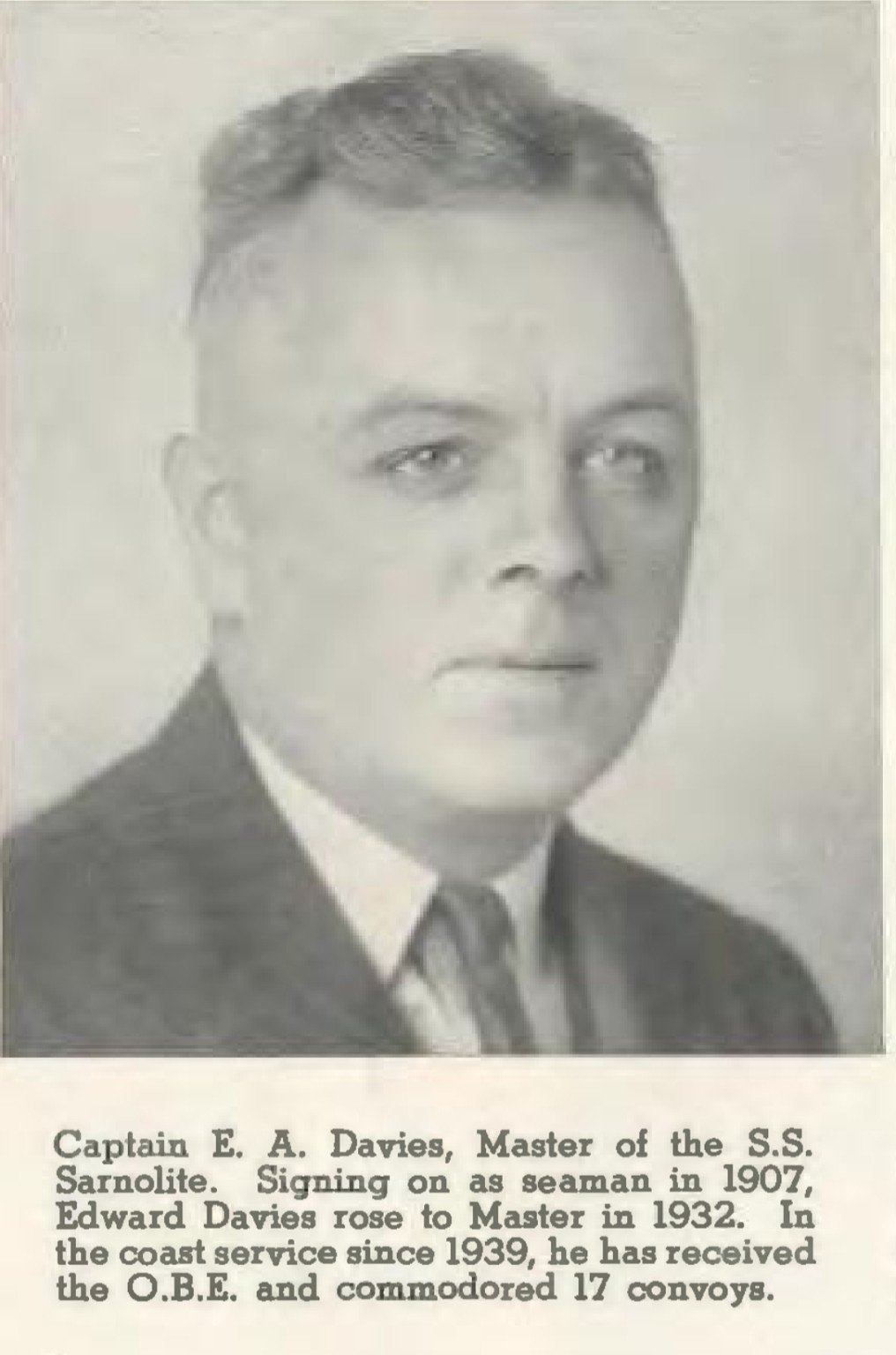
Then the war brings Ted abruptly into focus. The Imperial Oil Review names Captain E. A. Davies as master of Sarnolite and credits him with seventeen assignments as convoy commodore. The Canada Gazette records his appointment as an Officer of the Civil Division of the Order of the British Empire.
A convoy commodore did not command the escorting warships. He was the senior merchant officer responsible for organizing and controlling the merchant formation under naval protection — keeping a mass of vulnerable ships moving together according to plan while submarines, weather, darkness and mechanical failures all worked against that order.
A merchant convoy, simplified
Escorts guarded the formation. Merchant ships held station. The commodore coordinated the merchant column from within it.
His wartime service included Halifax–Newfoundland–Labrador routes and later the Western Atlantic. These were not abstract dangers. Petroleum ships were strategic targets; a tanker hit at sea carried both fuel and the possibility of catastrophic fire. The honour makes more sense when set against that ordinary fact of the work: the cargo itself could become the disaster.
The ship name from Robert’s book now came back with an official number attached.
It was the same hull, but not a documented father-and-son voyage. Nothing places Ted in command of her when Robert came aboard in 1955. The connection is simpler, and strange enough on its own: a ship that had belonged to the father’s wartime life became the son’s last summer job.
By 1951, when Ted arranged Robert’s first summer berth as Brenda remembers it, ships were already the world in which he had spent his adult life. Robert entered a peacetime, inland version of it at the bottom of the shipboard hierarchy.
The captain at home
The uniformed portrait is only one version of Ted. In 1928 he married Eileen Supple, and together they raised five children: Joan, Ted, Robert, Reg and Diane. The sisters from his Halifax childhood were not simply names from an earlier chapter; Ted Jr. remembered at least one of them still close enough to be part of ordinary family visiting.
Brenda remembers Eileen less as a captain’s wife than as Nan: fun, fond of television and always happy to have visitors. One memory comes from the last Christmas Brenda remembers at her Davies grandparents’ house. Eileen was a little drunk. When she lifted the turkey from its pan, it went flying across the floor. Nan laughed. Everyone else did too.
Sandra, recalling what Robert had told her, remembers that the children liked it when Ted was away at sea. Her own impression was that Eileen was less strict with them and that less housework got done in his absence.
Sandra remembered something entirely different from convoys: a huge garden, composting household scraps, newspapers and flyers tied carefully for collection — an “environmentalist way before that word,” in her retrospective description.
And then there was Eileen’s brother Tom Supple, a frequent visitor. When Ted decided Tom had stayed long enough, he had a dry way of letting him know: he would ask whether Tom’s life insurance was paid up. Family recollection has Tom leaving the next day.
Coming Ashore
The blue book ends at nineteen. The life most of us remember begins almost immediately afterward: Donna, four daughters, Imperial Oil ashore, ball fields, parish halls, grandchildren — and a house that kept making room.
The life outside the ledger
The ships leave dates. Family life leaves a different kind of trail: weddings, Christmas photographs, children lined up for the camera, stories repeated across a kitchen table, and the ordinary places everybody assumes will always be there.
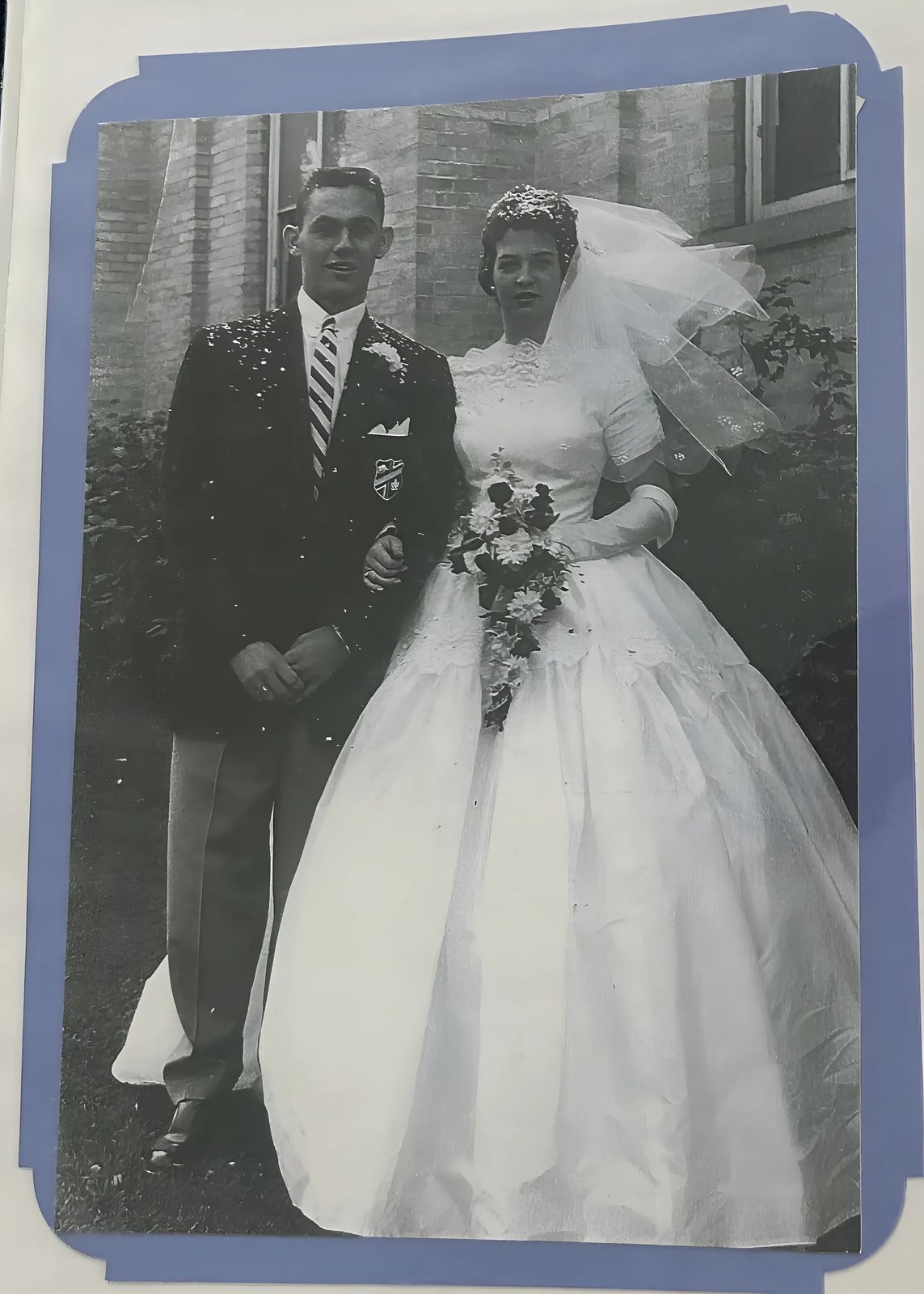
On 5 October 1957, Robert married Donna Strevel. Their household grew around four daughters — Brenda, Cheryl, Judy and Sandra — and the photographs begin to change. The young sailor disappears into a husband in a suit, a father surrounded by girls, a man carving the turkey at Christmas. Sandra remembers her mother making Christmas a major family occasion: the house done up for the holiday, a big dinner, gifts for everyone — and Donna loving the whole production. Brenda remembers how much time her mother put into the shopping and preparation every year. Robert always carved the turkey at Thanksgiving and Christmas. I still remember the electric knife.
Birthdays had their own rhythm. Brenda remembers that when there wasn’t a children’s party, the grandparents would come over for supper and make the birthday feel special. That carried into my generation too. My grandparents always came by for our birthdays, and their arrival was part of what made the day feel important. They usually brought birthday money as well.
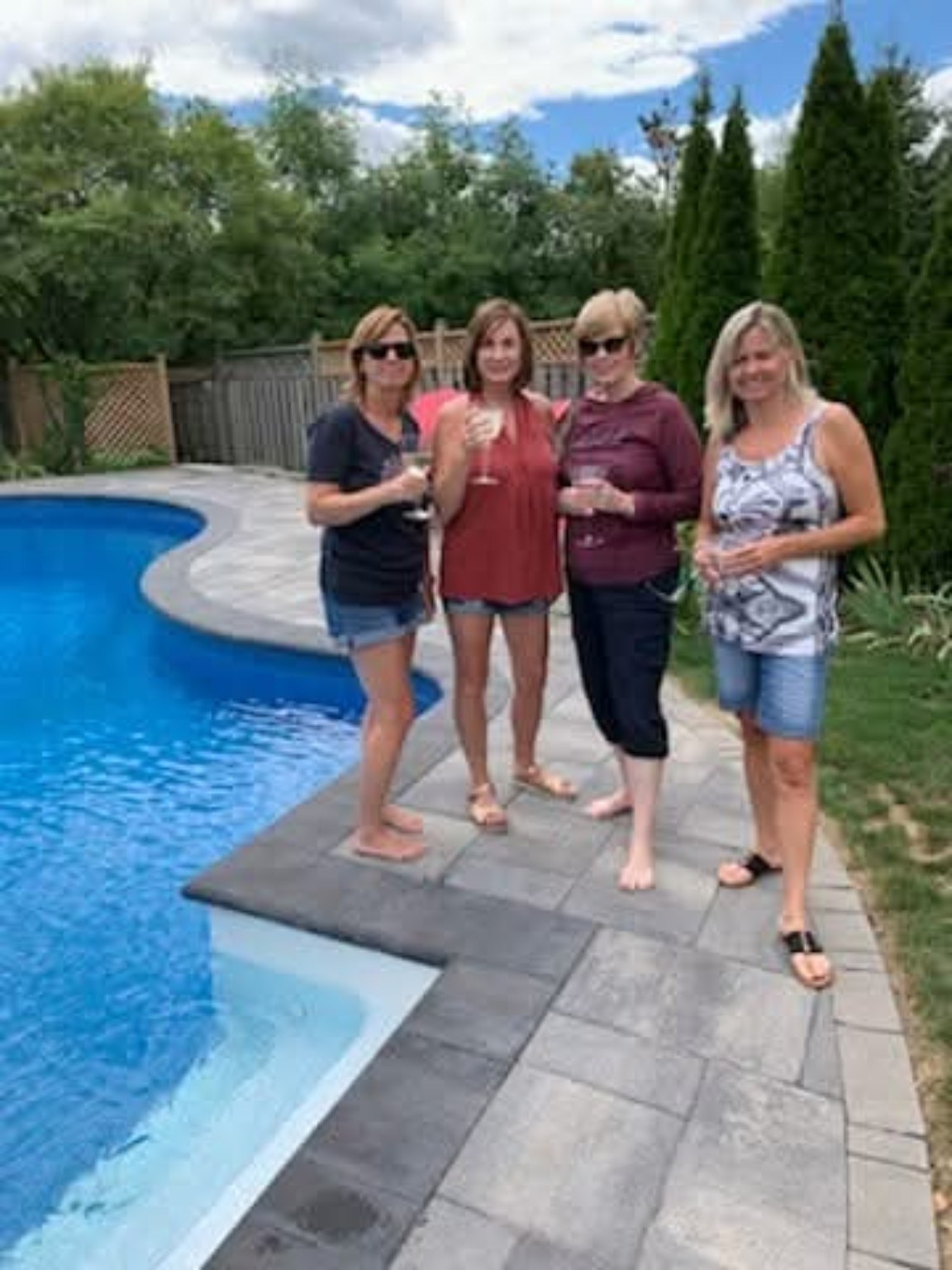
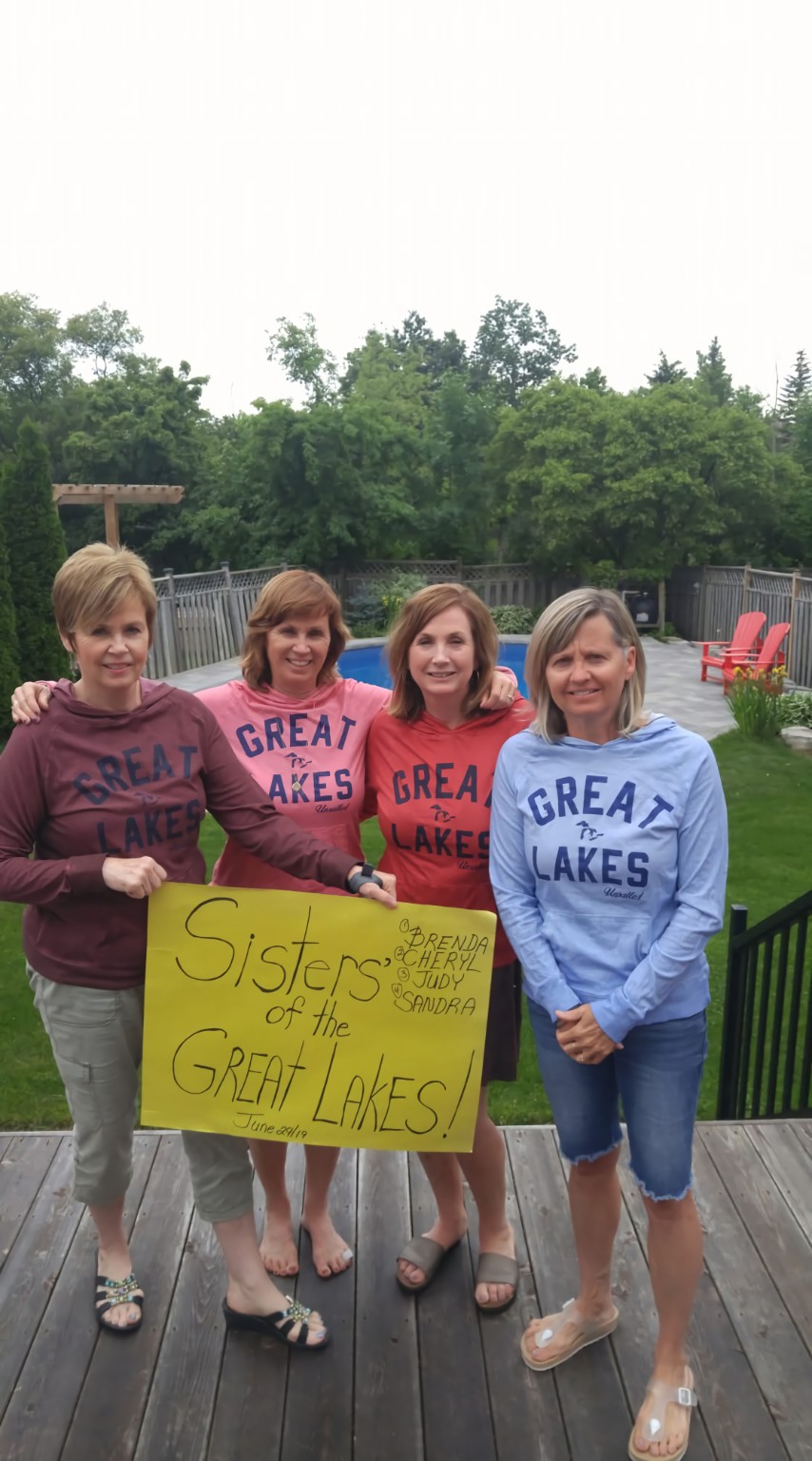
The four sisters would build households of their own, but they did not stop being four sisters. In June 2019 they made one of their trips into a challenge: dip in each of the five Great Lakes in a single day. The rule was that everyone had to go under. Sandra remembers Brenda made it only as far as her shoulders.
“My dad always wanted to go to university and be a teacher.”Judy · Robert’s daughter
He did not become a teacher. His brothers Ted and Reg did, and later so did two of his daughters and several grandchildren.
Robert went ashore with Imperial Oil and remained with the company for his working life. His family remembers a refinery man and a committed union man. Sandra remembers the ordinary rhythm more clearly than any job title: he came home from work, went jogging, and had dinner.
In summer he fielded pitches for Judy. He liked having the grandchildren over for dinner, a few drinks by the pool, and sports on in the family room.
Back to the diamond
The ships had occupied five high-school summers, but organized ball did not disappear from Robert’s life.
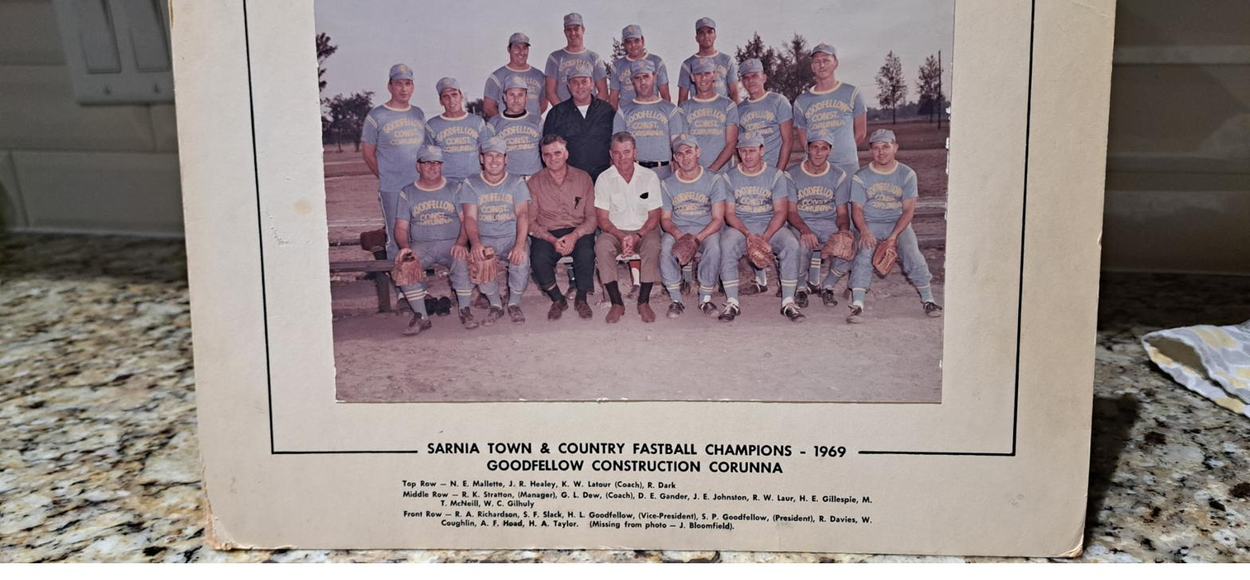
Fourteen summers after his last discharge, his name appears on the mounted roster of the Sarnia Town & Country Fastball Champions: R. Davies, Goodfellow Construction.
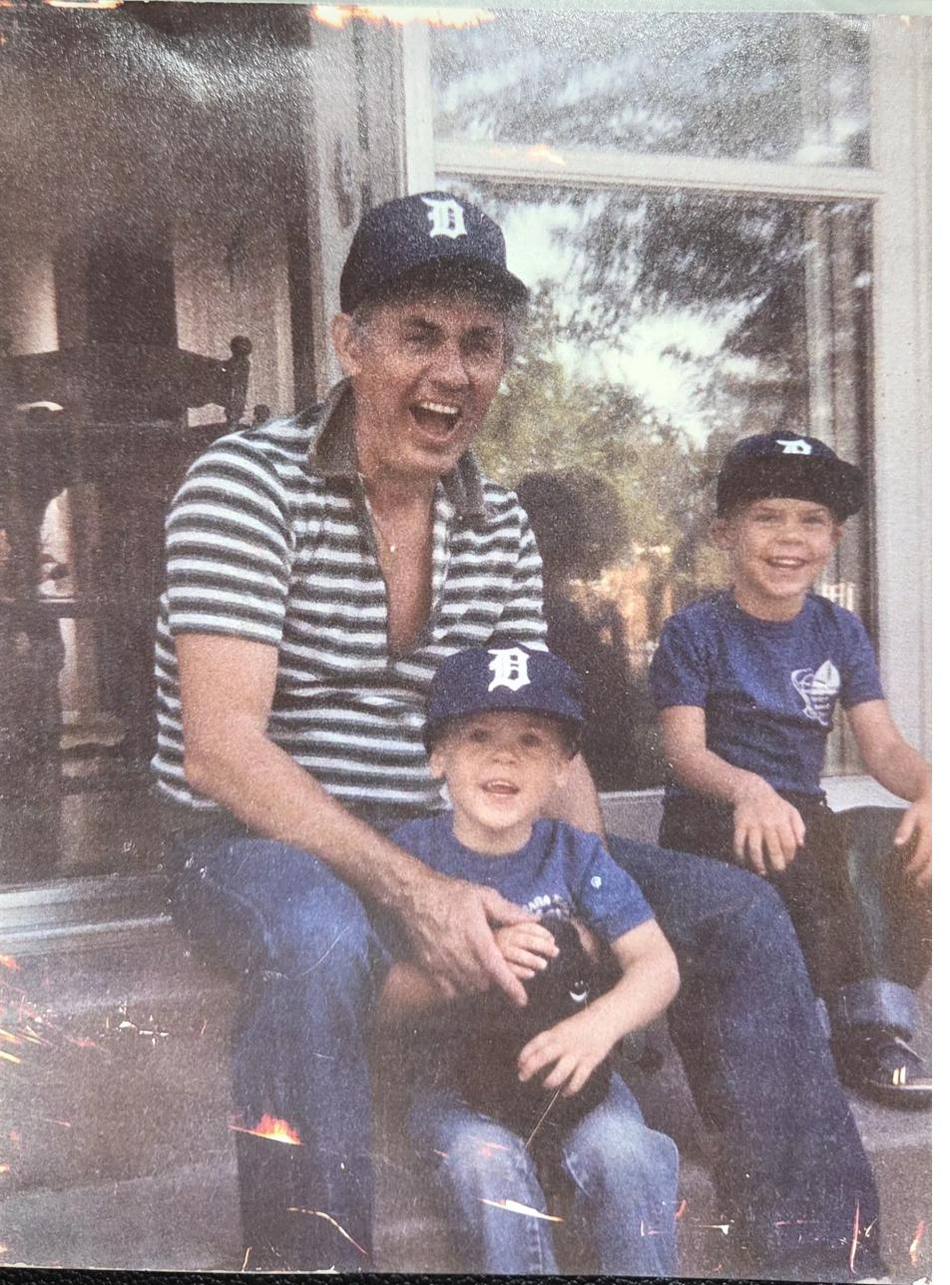
The baseball thread later crossed another generation. I remember Tigers games on the radio beside him and trips across the river. A photograph survives of Grandfather with Greg and me in Tigers caps.
The house that kept filling
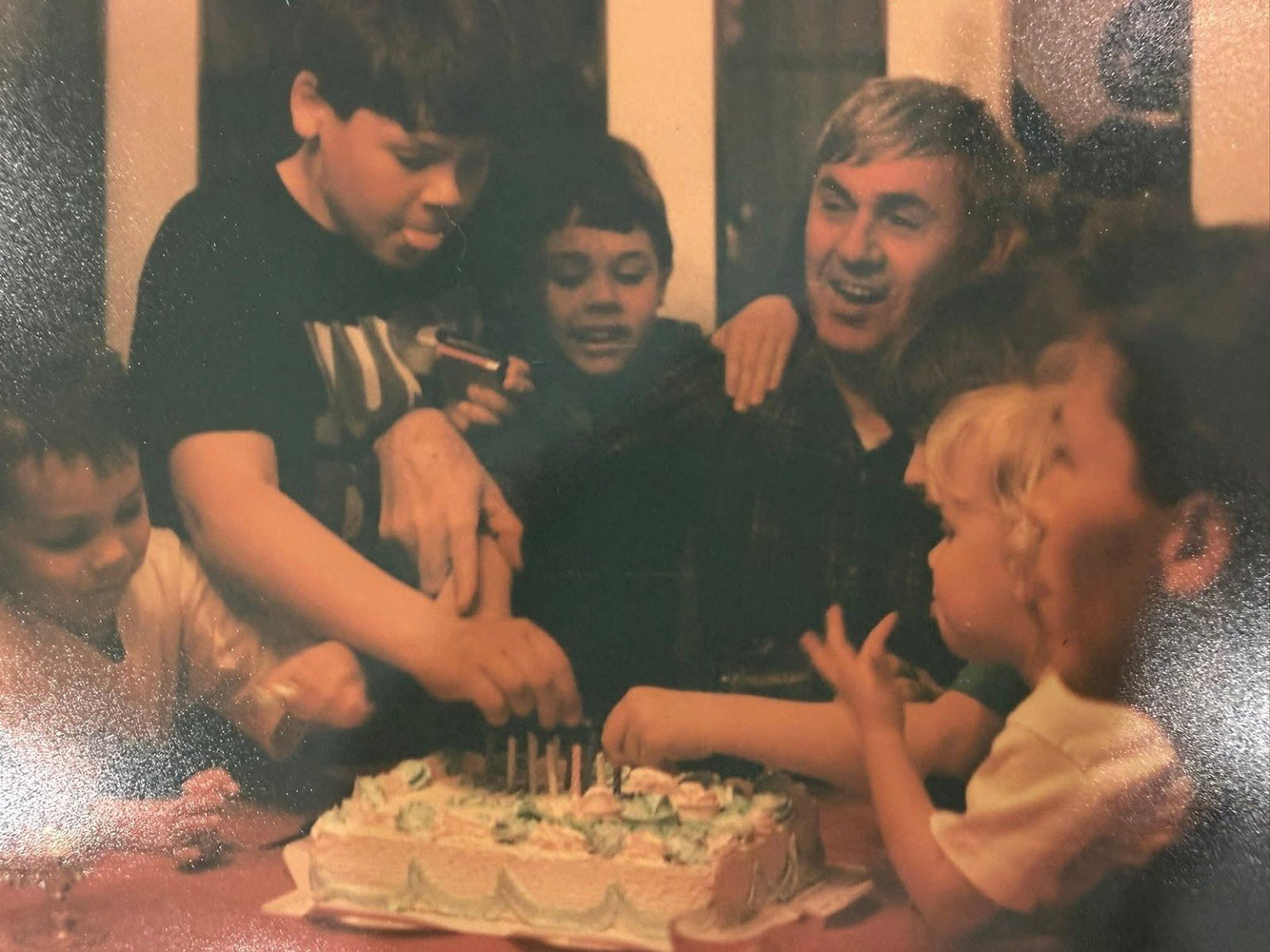
For the grandchildren, family had a geography of its own. Allandale meant holidays, birthday dinners, the pool, strawberries and rhubarb in the garden, and the ordinary expectation that cousins would keep filling the house. The photographs catch that life in motion: Robert surrounded by grandchildren at a birthday table, and later being tackled by them at Halloween.
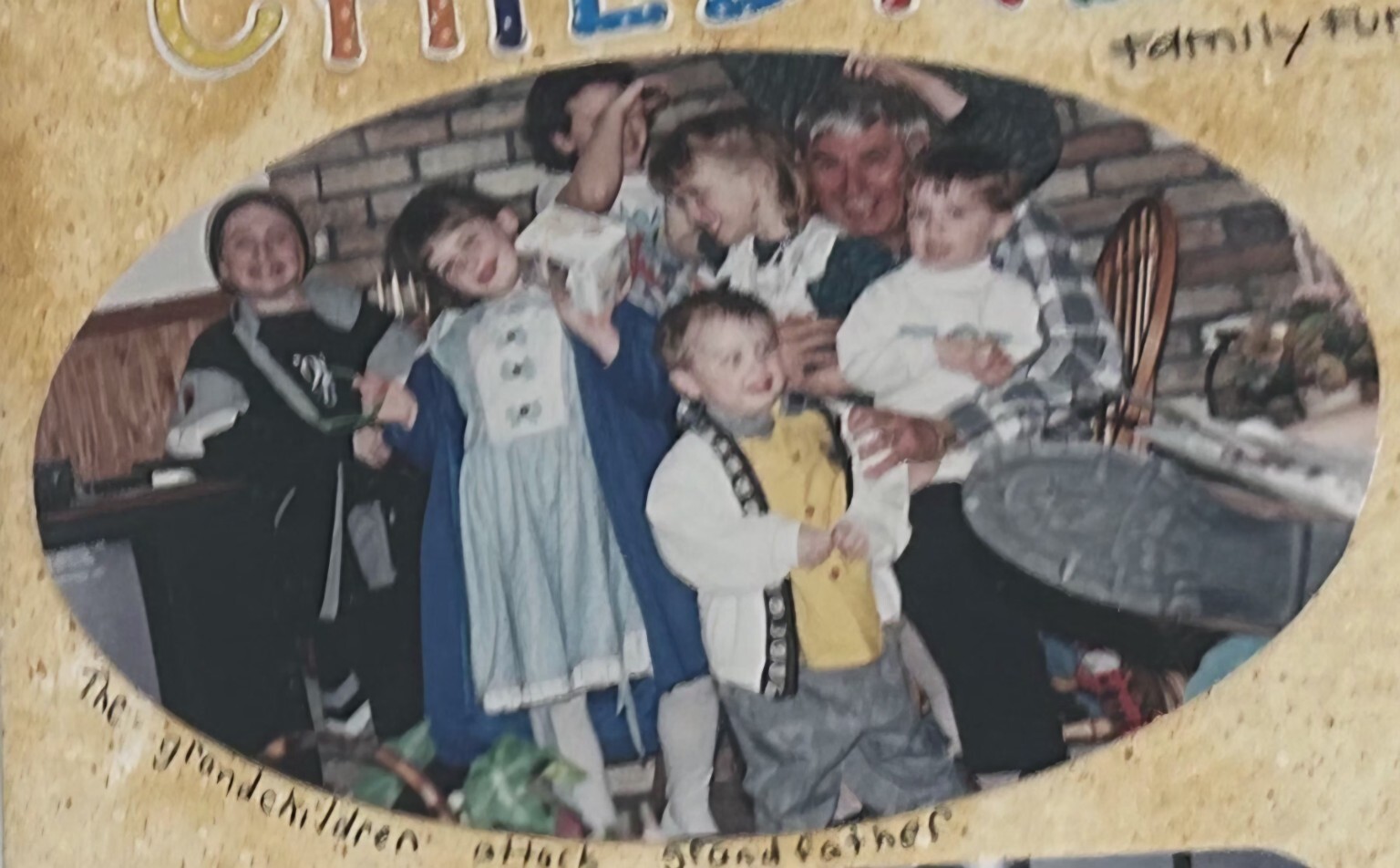
St. Benedict’s was another kind of gathering place: worship, bingos, St. Vincent de Paul work, the breakfast programme and community life. I remember volunteering beside Grandfather at the breakfast programme and, around Grade 8 or 9, helping him deliver Christmas hampers to families who needed them.
Judy remembers waiting on the landing for him to come home from the refinery, jumping into his arms, then finding the snack he had saved in his lunchbox. Later, when she pitched fastball, he caught for her after work and counted out one hundred pitches. Melissa remembers a loonie or toonie for penny candy and long games in the pool.
The time I got with him
I was Robert and Donna’s first grandchild, and for a few years I had stretches of time with him on my own. I remember those hours clearly. He tried to teach me the value of money — a lesson I cannot claim to have mastered. More than any single lesson, I remember the fact of the time itself: he made room for me.
The Family Between the Lines
Ships and jobs left records. Family life survived differently — in households, visits, photographs, repeated stories and people returning to one another.
The women in the middle
Cheryl returned to the Beech Street house in Halifax in 2015 and stood on the same steps tied to her father’s childhood.

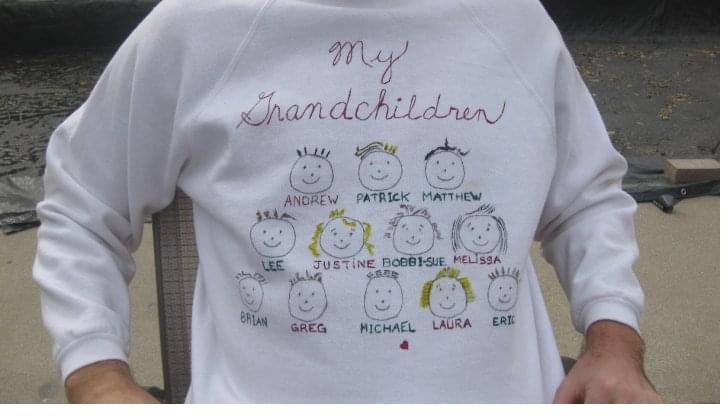
The sweatshirt is almost comically literal: twelve grandchildren’s names painted onto one piece of clothing. It belonged to Donna — Nanny — and the family later worked out that Lori Bright, Judy Taylor’s sister-in-law, had made it.
Sandra: a haiku for her dad
“A gracious father
Caring, loving grandfather
Spouse, brother, friend, son”Sandra McCoy · Robert’s daughter
Sandra remembered a father who got all four girls involved in sports, made friends feel welcome, and instilled values more through example than lecture. Looking back years after his death, she wrote that she and her sisters could see how rich they had been to have him in their lives. Her final note adds that all four remained forever grateful for him as a caring and involved grandfather.
Book 27710 describes the fifteen-year-old as five foot five, blue-eyed and blond. Decades later, Sandra’s three lines record him as father and grandfather.
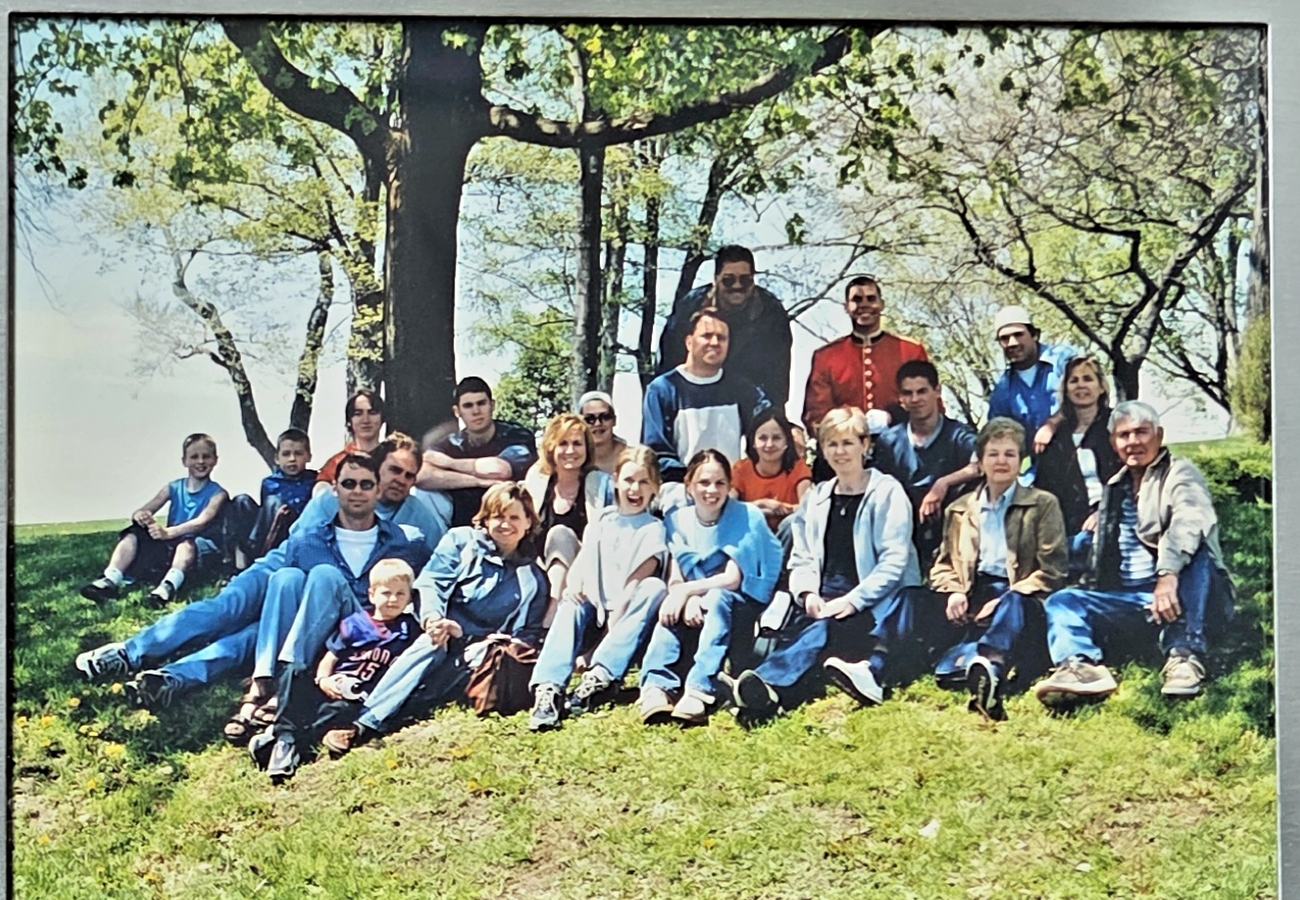
Robert and Donna’s four daughters gave them twelve grandchildren. By the time of that 2003 photograph, the family had widened far beyond the household they began in 1957.
What a family passes on
The objects were only part of what came down to us.
One of my clearest childhood memories comes from the front stoop of our home on St. Laurent Drive. I had fought with my brother Greg. My mother, Brenda, sat with me and told me how important it was to love our family and to be there for them. I do not remember the argument. I remember the lesson.
My father, George, showed me another kind of inheritance in the stable childhood he built for my brothers and me.
George had not been handed an easy model of fatherhood. What he built for us was different from what he had known himself: a home defined by stability, encouragement and the assumption that we were safe there. As a child, I did not understand that as an achievement. It was simply my childhood.
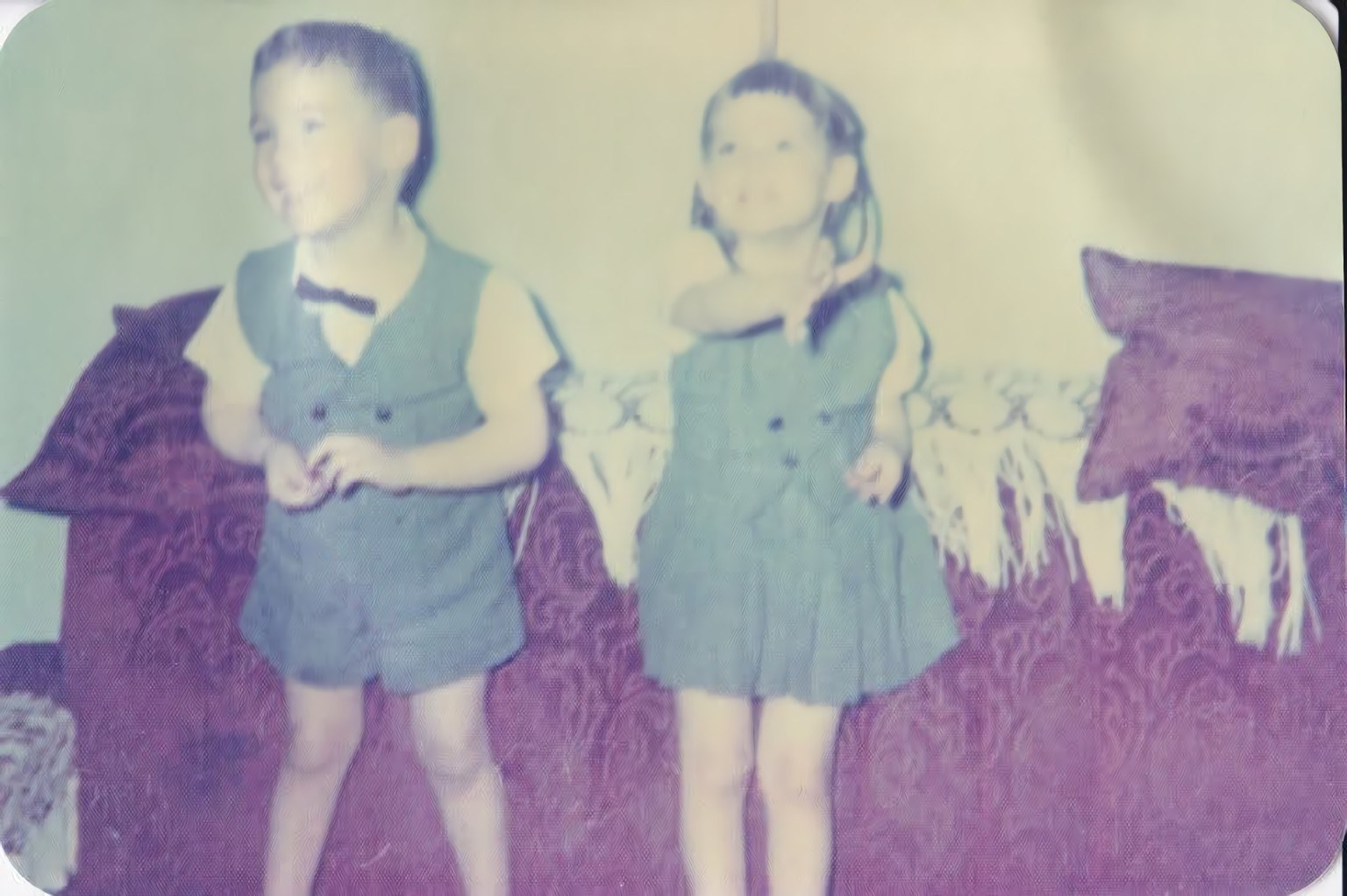
I do not know whether my father ever consciously looked to Robert as an example. I doubt it was anything that deliberate. But I knew both men, and from where I stood as son and grandson, certain things rhyme.
Robert showed up for his family. His home was a place where grandchildren could arrive and know they belonged. George made that same kind of certainty ordinary for my brothers and me.
I cannot say where one man’s example ended and the other man’s choices began. What I can say is what I lived: my father broke patterns that could easily have continued, and my brothers and I grew up inside the difference.
The Same Water
My own life had crossed some of the same places long before I understood the family history: St. Patrick’s, Halifax, the St. Lawrence and the Great Lakes.
The route I had already sailed
Nearly fifty years after Robert’s last discharge, and without knowing it, I sailed much of the same water.
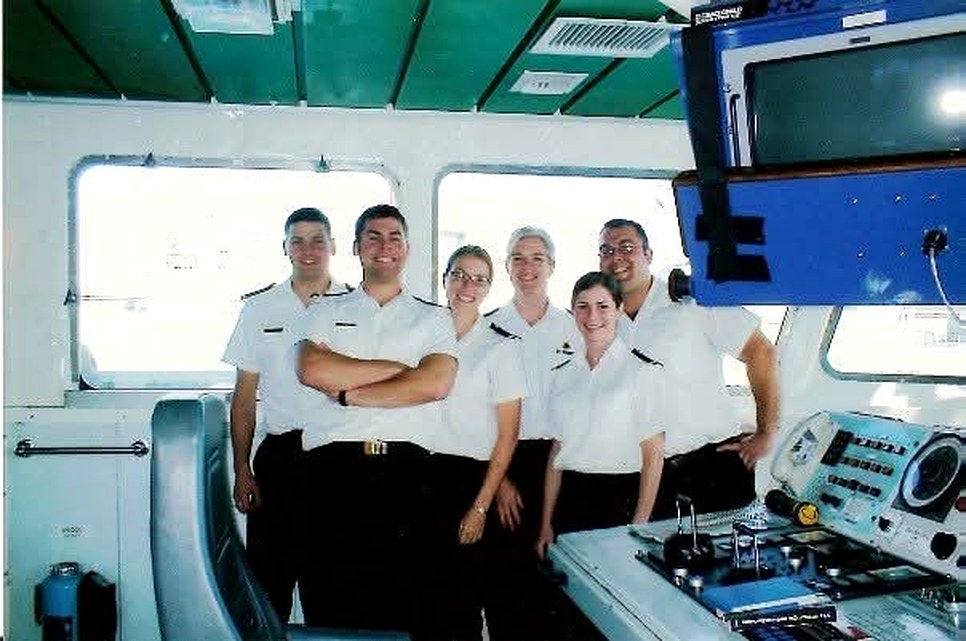
In 2003, as a young naval officer, I sailed HMCS Kingston from Halifax, through the St. Lawrence and into the Great Lakes to Hamilton. Robert’s summer routes and mine were not identical, and the canal system itself had changed, but the overlap startled me: much of the same water, two generations apart.
During later naval training in Halifax, I ran past the Beech Street house tied to Robert’s childhood without yet understanding how much of his story was waiting there.
Near Cornwall
The river did not feel entirely foreign. I knew Kingston; I knew the St. Lawrence. Near Cornwall, though, a particularly demanding training evolution required us to manoeuvre ships in sequence, and I only just got through it. With land close enough to make the whole situation feel even more absurd, I remember thinking: What the fuck am I doing in the Navy? For a moment, jumping over the side and swimming for shore seemed like a perfectly reasonable alternative.
I stayed. Years later, Brenda’s memory that Robert would rather have been playing baseball made that moment land differently.
At sixteen, I spent a year in Eckernförde in northern Germany with the Miertsch family. Achim and Ingrid welcomed me like a son. Ama and Apa became grandparents to me, Martin a brother, and Chrissi my first sister. Chrissi spent part of that same year on her own exchange in France, so even our new sibling bond reached across borders.
With them I learned a gentler, more intentional way of living: making time for one another, tending a home with care and gathering around the table. Ingrid’s meals were legendary — especially venison with Rotkohl (German braised red cabbage) and potatoes, followed by Rote Grütze, a red-berry dessert. I remain deeply grateful for the place they made for me.
One of my favourite rituals was the proper sauna and steam shower in the Miertsches’ basement. We went down together as a family, stripped off and sat in the heat. For a sixteen-year-old Canadian, that easy nakedness was a genuine culture shock. In winter, with snow outside, it felt magical: warmth, steam, family and ease. The ritual instilled in me a lasting love of Scandinavian spa culture; ever since, I have enlisted my parents and nearly everyone else in my family. I would still love to have a sauna of my own.
The strangest echo reached one generation farther back. Ingrid’s father — Chrissi’s maternal grandfather, whom the family called Apa — had served aboard a German U-boat during the Second World War. I did not know then that my own great-grandfather had spent that war on the other side of the Atlantic contest, commodoring merchant convoys through submarine-threatened waters. Decades later, the Miertsch family took that convoy commodore’s great-grandson into their home. I have never found evidence that the two men crossed paths.
The family I found there
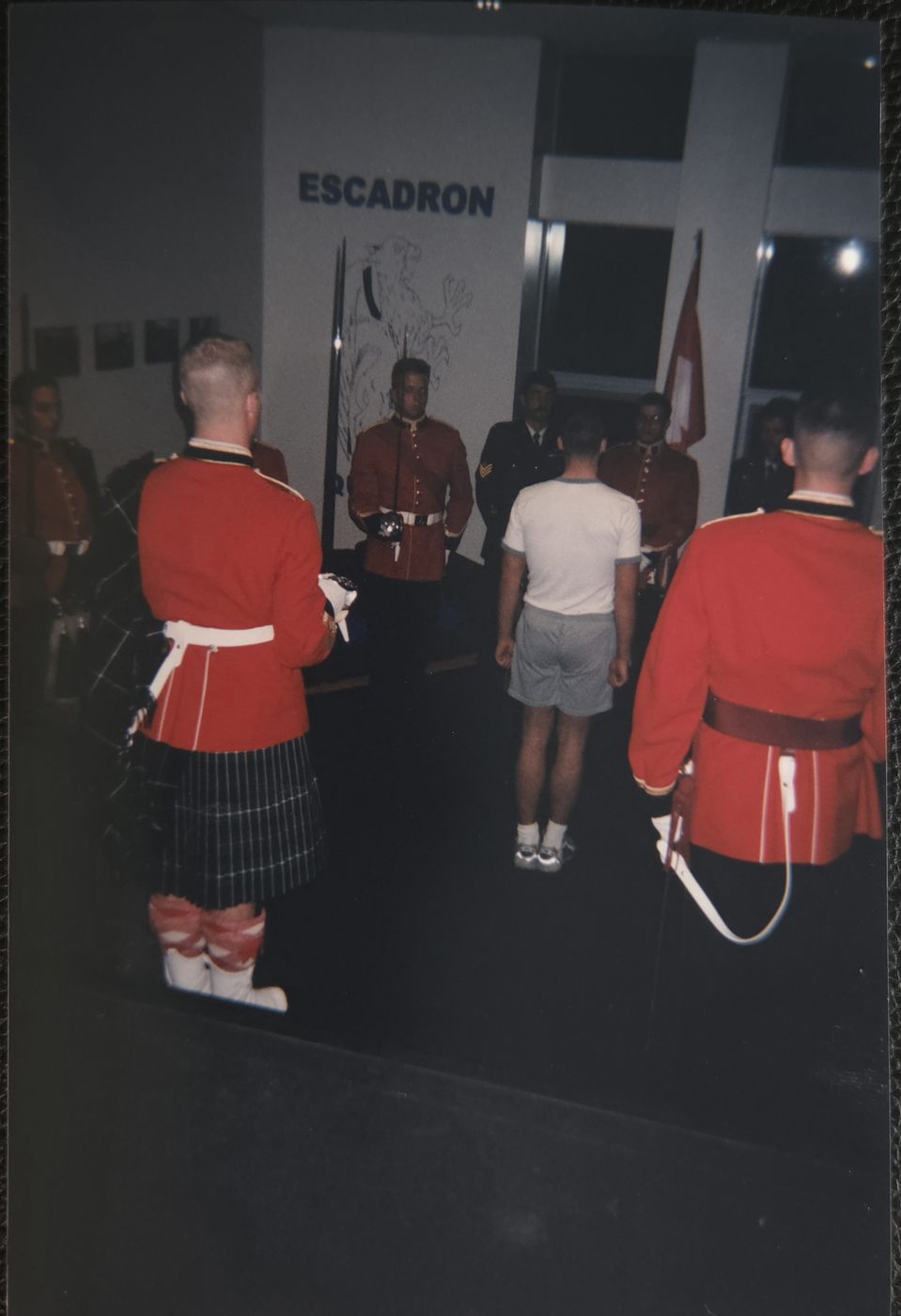
At RMC, found family took another form. I felt it most powerfully at the end of recruit term in 1999. After a gruelling final day, we were marched into the third-floor landing of Fort LaSalle without being told what was happening. The 4 Squadron cadet and military leadership were waiting to welcome us into the squadron — and our parents were there too. I had not seen my family in months. I remember being completely overwhelmed and fighting back tears. The family I had come from was watching me enter the one I was about to find.
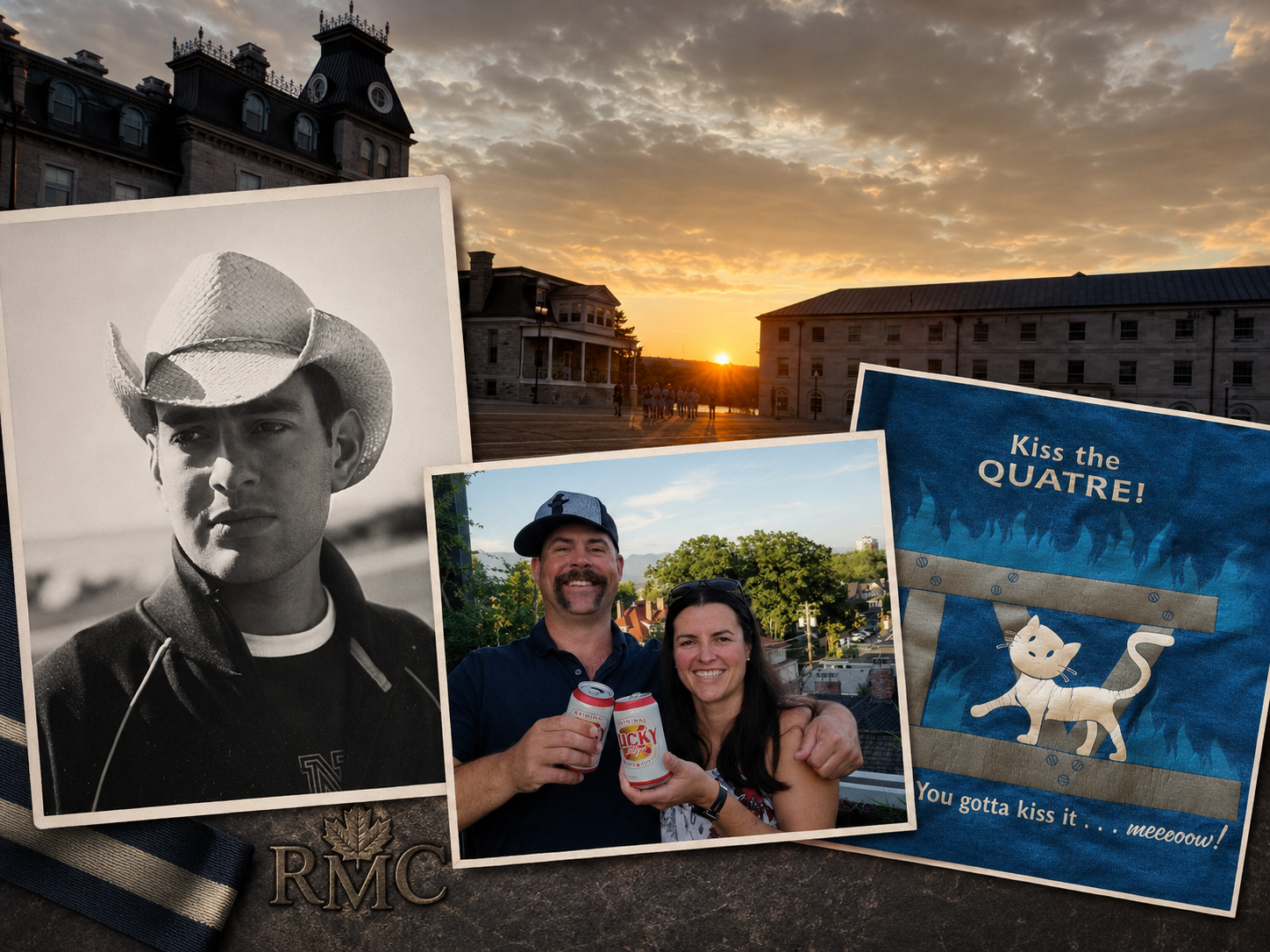
At RMC, 4 Squadron became family. Gion Marles and I met on basic training, stayed together in 4 Squadron, later became roommates in Victoria and then shipmates in HMCS Calgary. He became my best friend and brother. Rebecca McCullough was part of that RMC family too and became a lifelong friend. The blue 4 Squadron cat still belongs to that family shorthand, along with the gloriously unserious slogan “Kiss the QUATRE!”
The life I thought duty required
I am gay. For much of my life, especially when I was younger, I tried very hard not to be.
I have come to think that everyone has a rock: some fear, burden or expectation they spend part of a life pushing uphill. Mine was the fear of that truth.
As the first grandchild — the golden child in the family shorthand — I absorbed a powerful idea of what duty looked like: succeed, serve, make the family proud, and follow the expected course.
That family script overlapped with something more local I came to call the Sarnia program, but they were not the same thing. The Sarnia program was narrower: stay, find steady work in the plants, build a life around the industrial city. In that sense, I did not follow it. I left.
Sports and grades were genuine pursuits; I cared about them and wanted to excel. But I also learned how to use achievement as camouflage. Success bought me space to keep the part of myself I could not yet face out of view.
Eventually that strategy reached a point where it could no longer remain abstract. I was in a relationship with a woman I genuinely loved. The future in front of us looked like the future I had spent years preparing myself to want. I ended the relationship because I knew it was not mine. I loved her, and leaving hurt. Staying would have meant continuing to divide my life.
I had, without really understanding it, already grown up with an example of a family script being rewritten. My father had done it before me, though the script he confronted was not mine. George built something gentler for his sons than what he had inherited. My own break would look nothing like his.
Victoria, 2001
Then I came west.
My first summer in Victoria overwhelmed me. The wildness and majesty of the place — ocean, mountains, enormous sky, roads that seemed to keep opening outward — made the life I had known feel suddenly less fixed. It made me bold.
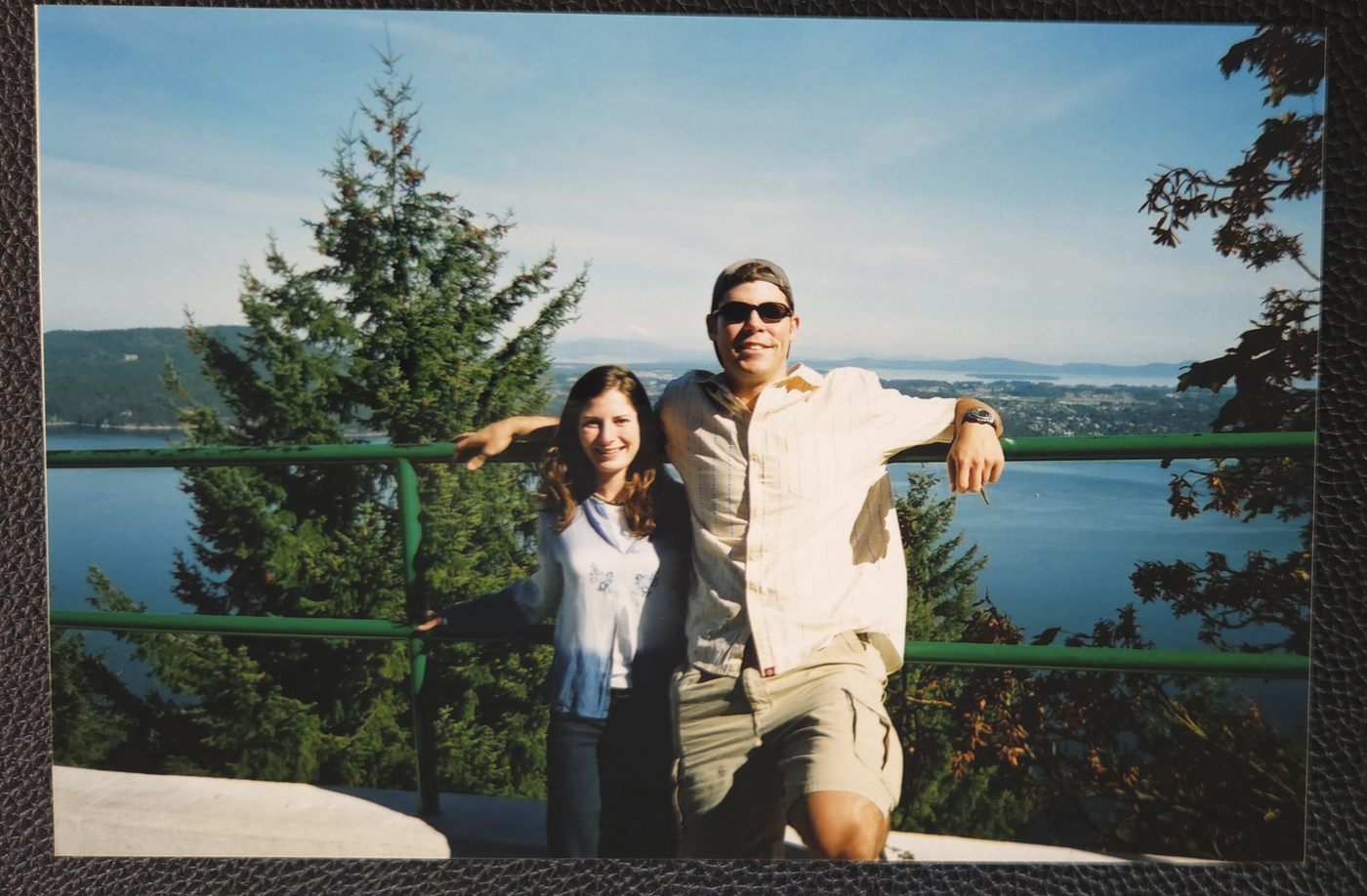
I had shipped west the Rocky Mountain mountain bike I had bought with money saved from lifeguarding. My dad had driven me to London to pick it up. I am still grateful I brought that bike with me to Victoria.
One night, with some liquid courage behind me, I went downtown alone and walked into one of Victoria’s gay bars, one of several from that era that are now gone. I had never done anything quite like it.
That was the night I met Sean, my first boyfriend.
Sean was unusual. The first thing I remember is his confidence. Cocky, certainly, but confident in a way I was not. He had good taste in music. He smoked pot and introduced me to it. He moved through the world with an ease I found intoxicating because so much of my own life was still being managed and contained.
That first night was intense. We had only just met, but after a heady night out we ended up back in my room on the base, both of us very drunk and possessing essentially no instinct for discretion. We were noisy for most of the night.
The next morning, I knew I had opened Pandora’s box.
I felt shame, panic and defiance, sometimes all at once. I wondered what this might mean for the course, for the friendships around me, even for the life I was trying to build in the military. And then my sense of being Robert — the name I carry — kicked in. At that age, that meant something simple to me: straighten your back, face what has happened, and carry on. There was no putting the night back in the bottle.
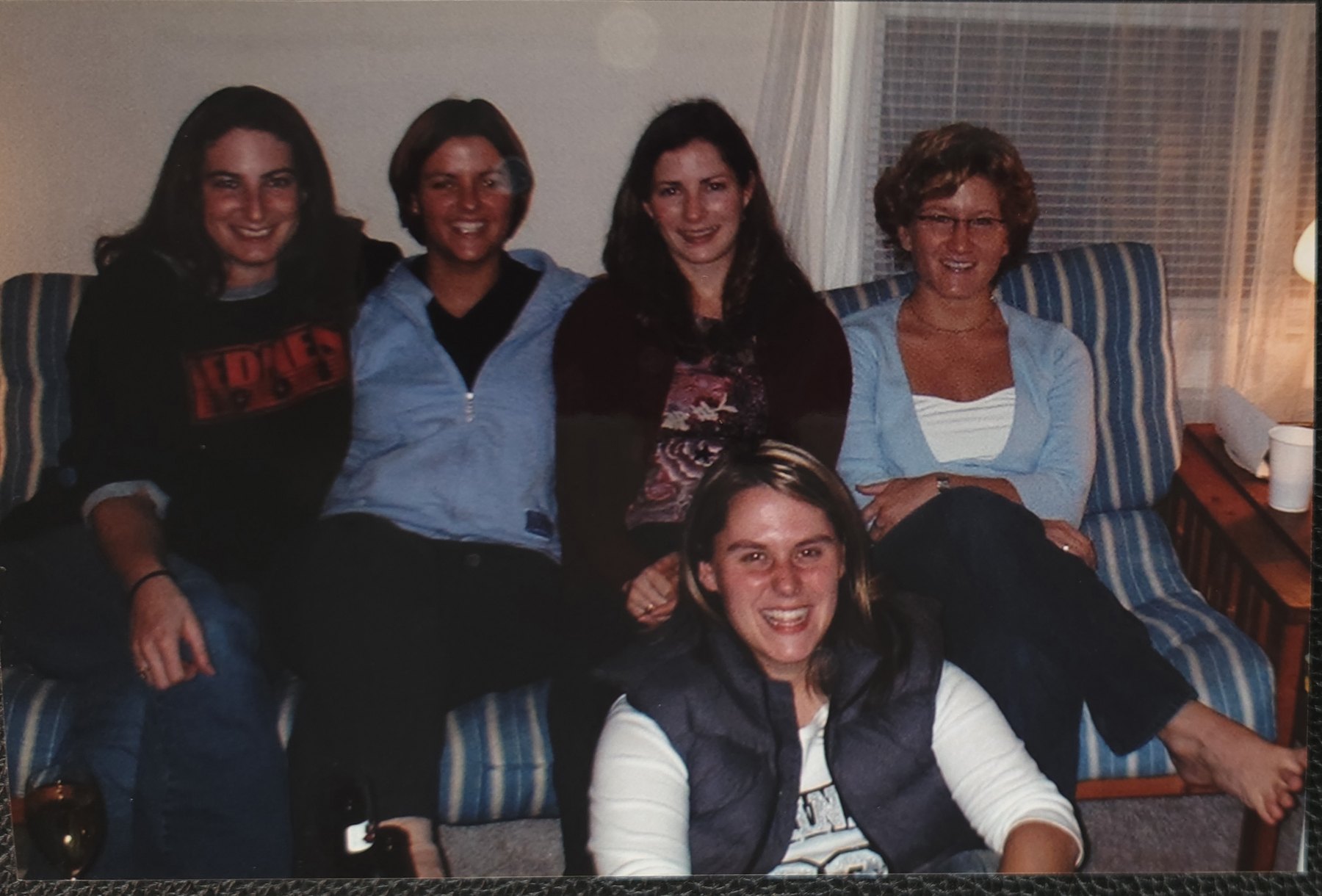
Some of the young men on my course — including some fairly conservative francophones who had plainly not expected this particular development — were mortified. They did not turn it into cruelty. I know how fortunate I was in that. They consulted the girl network.
The girl network activated.
The phrase still makes me laugh. What happened next was essential. Leah, Rebecca and Jolene rallied around me. Two of the three were East Coasters, family people, and there was something deeply familiar in the way they made sure I was not left to navigate that morning alone. I cannot reconstruct every conversation now, and I do not want to invent one. What I know is that those women helped me through a moment I did not know how to manage on my own.
Without them, I do not think I would have gotten through it.
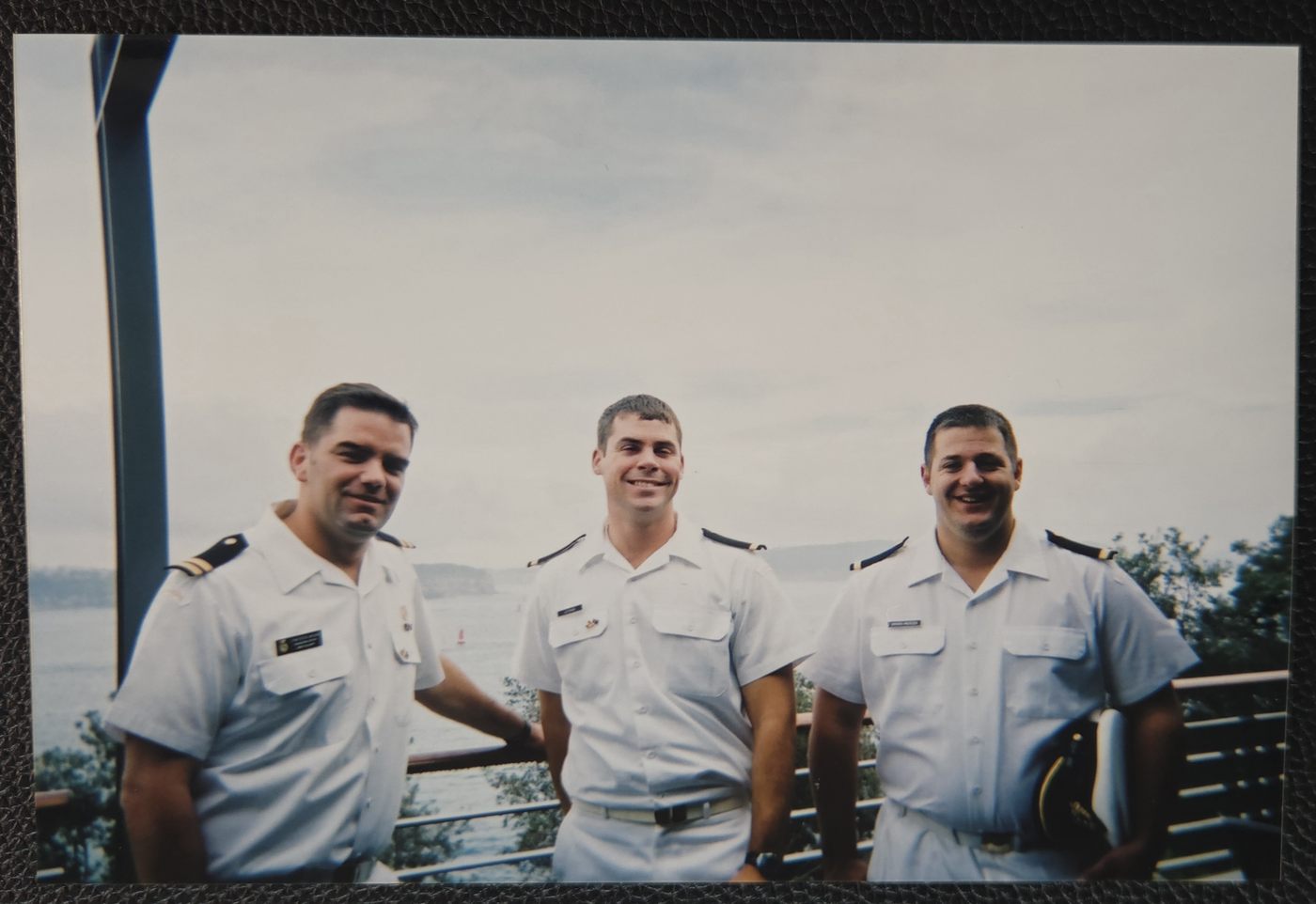
One of the men who had overheard Sean and me that first night was Jonathan Simard-Mercier. He was mortified then. The moment did not harden into rejection. We finished RMC and naval training, both came through 4 Squadron, became friends, and eventually served together aboard HMCS Calgary.
In many ways, that first night with Sean pulled me out of the closet. It precipitated almost everything that came after.
What followed was an intense summer. I rode that mountain bike out to Sean’s house in West Saanich again and again. The bike was how I kept going back.
Sean and I had a deep connection, physically and intellectually. We talked, listened to music, got high, laughed, and had a great deal of fun together. For the first time, being gay was not primarily something I was managing, resisting or hiding. It was another person. It was attraction and conversation and desire. It was the exhilaration of getting on my bike and heading toward someone I could not wait to see.
I fell hard.
When the relationship ended, I experienced it as unrequited love. I thought I had found something enormous and then lost it almost as quickly. The hurt stayed with me for a long time.
Years later, I understood that summer differently. Sean had embodied so much of what I could not yet be. He had arrived in my life at the moment I was only beginning to dismantle years of concealment. One extraordinary summer could open the door, but it could not instantly make me ready for everything on the other side.
The realization I eventually reached did not make the feelings less real. It made the story more complete: I wasn’t ready for him.
Eventually I had to tell my parents — though not for another twelve years. I had built the moment into something enormous in my head. Some of that fear was about being gay; some of it was about surrendering the protection of being the golden child, the son who seemed to have followed the script correctly. When I finally told them, my mother’s first response was: “Well, you know, you always did talk with your hands a lot.”
Years of anxiety met one perfectly Brenda sentence. Nothing collapsed. I was still her son. The joke did not make the truth smaller; it made the fear smaller.
The people who carried me
By then RMC, the military and Victoria had already given me brothers and sisters I would carry into the rest of my life.
With Rebecca and the other remarkable women I met through the military, I found an active sisterhood. In Victoria, my girlfriends looked after one another, laughed hard, made room for one another and held the circle together. I loved being part of it.
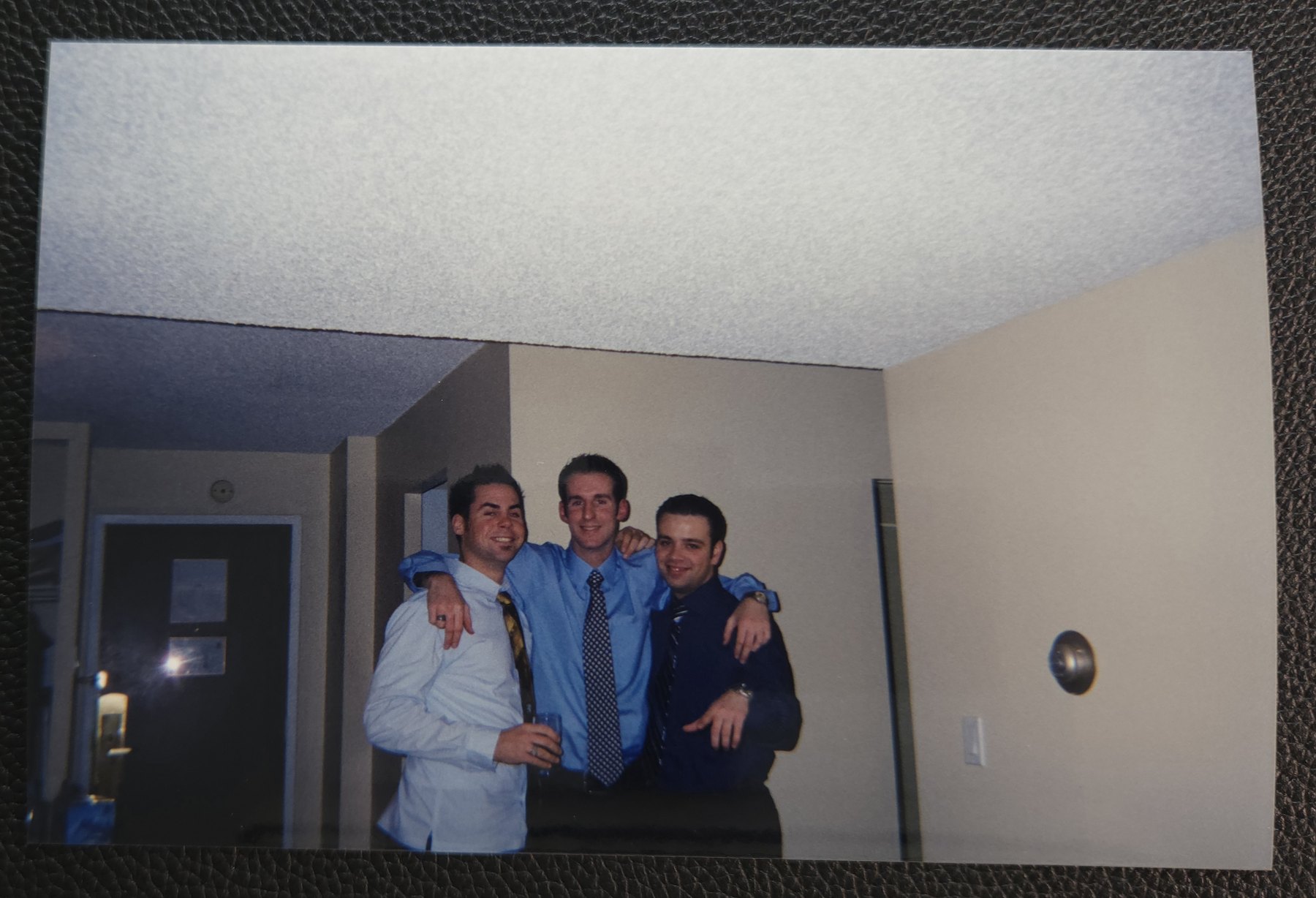
RMC gave me brothers just as decisively. Blair, Sean Frankham and I had our classes together, lived almost on top of one another and became thick as thieves. Sean Frankham — a different Sean from my first boyfriend in Victoria — was charismatic beyond belief, usually at the centre of whatever ridiculous thing was happening. In Montreal, he was the one who could somehow get us into a bar with a fabricated story and enough confidence to make it sound plausible. I understood his childhood to have been very hard. I sensed almost immediately that beneath all that charisma was someone who needed a brother. Being one came easily. Blair and I did it together.
Sean Frankham died years later after a struggle with alcohol. There are things about that ending I cannot know, and I will not try to explain them for him. I am grateful for the time when the three of us were packed into the same classes, rooms, nights out and lives, and profoundly sad that Sean did not get more of it.
In time I met the man who became my husband and built a life I had once believed responsibility required me to refuse.
I do not know what Robert’s rock was, or whether he would have described his life that way at all. Brenda remembered that he would rather have spent those five summers playing baseball; Judy remembered that he wanted to go to university and become a teacher. He went to sea, then ashore to Imperial Oil, and built the life his family knew. None of that gives me permission to call him unhappy or to imagine a private regret he never expressed.
What the comparison gave me was smaller: every life contains some mixture of duty and desire, choices made freely and choices narrowed by circumstance. Mine happened to involve learning that concealment was not responsibility. His remains his own.
Years later, my mother gave me one piece of Robert’s story that changed the echo I heard in it.
She told me recently that her father did not like working at Imperial Oil. He did not like the plants. I would never have known. I never heard him complain. The man I knew was happy, funny, involved and surrounded by people.
That does not tell me why he was happy, and I will not write the answer for him. But I can see what surrounded the job: friendships he fostered through work, family, faith, baseball, parish life, and a lifetime of showing up. The job did not have to be the source of the life.
There is another story between Robert’s and mine. It belongs to George — the boy he had been, the father he became, and the distance between those two things. I am not going to tell it here. It deserves more room than that.
In February 2004, I travelled to St. John’s with my best friend Rebecca and our close friend Nick Woloszczuk for a weekend away and a family visit. Rebecca had a family connection there, and we seized the opportunity to go. Bad weather delayed our flight home.
While we waited in a hotel for the flight to be rescheduled, I was told to be ready for a call from my grandfather. I knew he was very ill and nearing the end of his life. I was rattled before we even spoke.
I do not remember the substance of our conversation. What I remember is that he wanted to connect. I remember the sense that there were things he wanted to say but could no longer fully express, and that some things remained unsaid. But I remember the love across the distance very clearly.
It was our last conversation. Robert died that May.
For years afterward, the version of him in my head remained the older man: Grandfather, Tigers fan, church volunteer, the man at the centre of a large family. When I finally opened Book 27710, it did not replace that man. It gave him a past.
The exchange comes home
The Miertsch echo did not stop in Eckernförde. In 2010, Chrissi and her husband came to British Columbia with Jonte, then about one year old, for an extraordinary adventure: farm work on Malcolm Island, off northeastern Vancouver Island. I welcomed them into my Vancouver home, lent them my CR-V and watched them set off north. It was the first time I held Jonte.
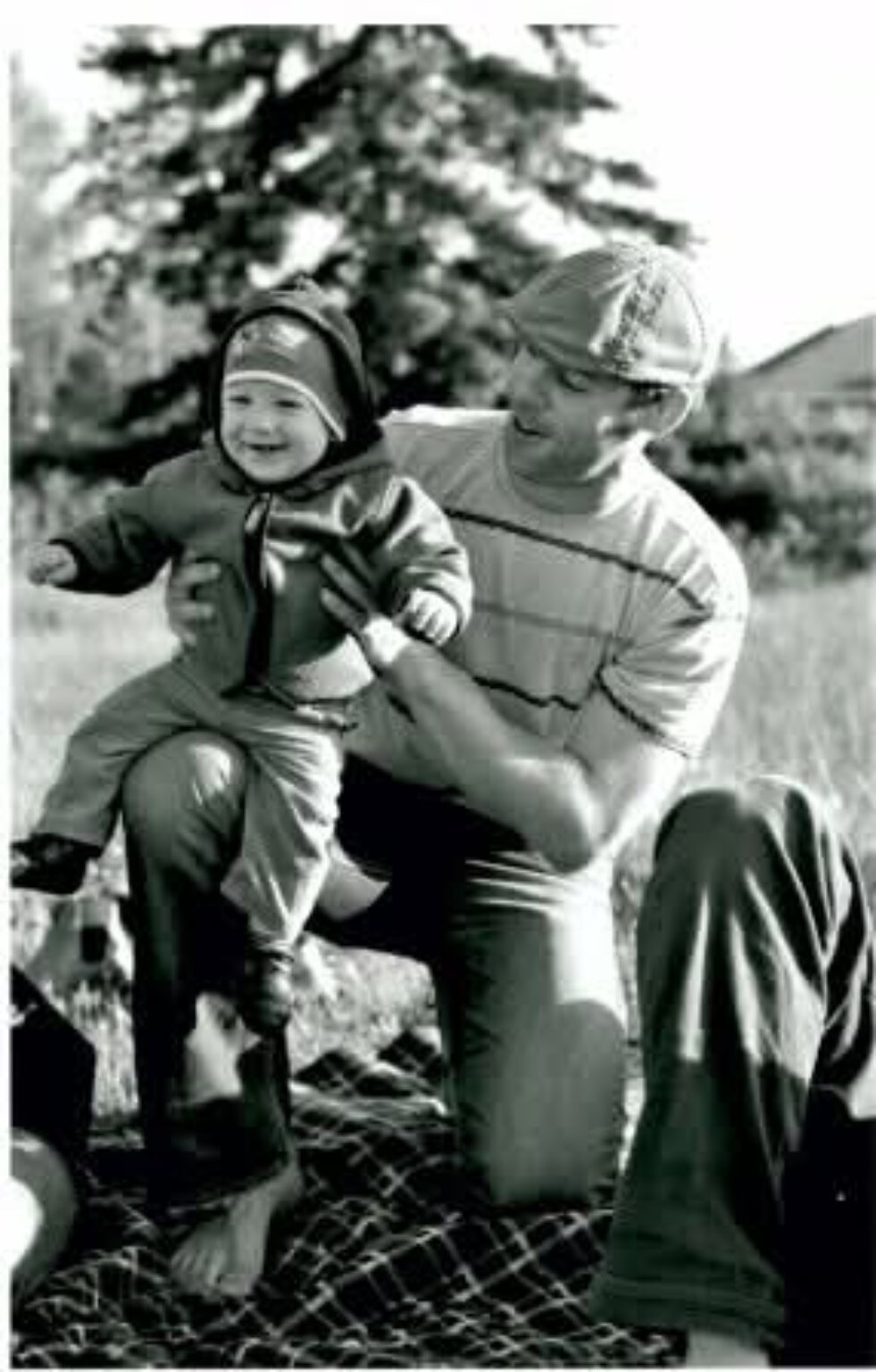
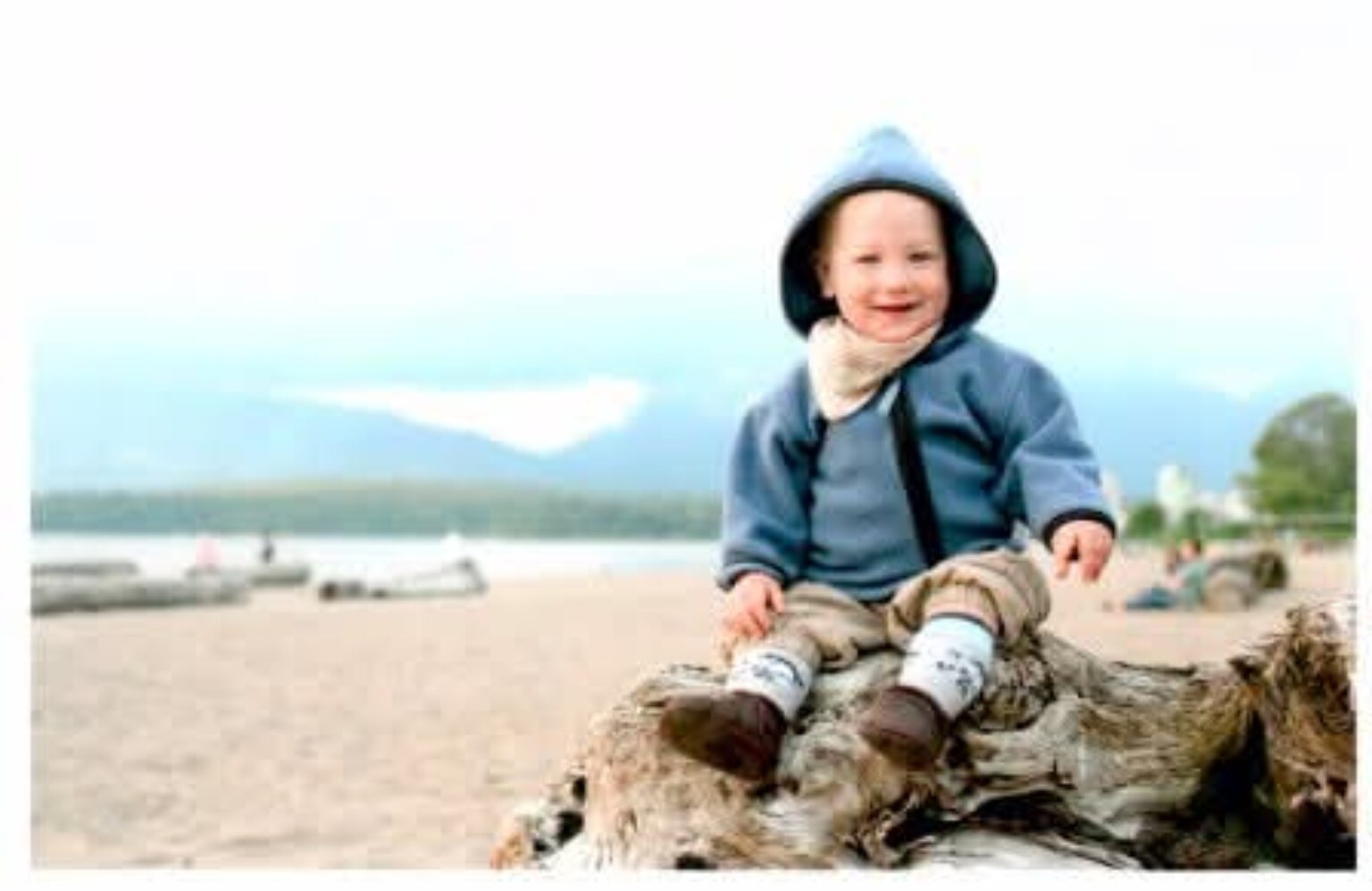
But the echo’s return was not seamless. For several years, I had let distance grow between Achim, Ingrid and me. Some of it came from shame about being gay — the last vestiges of coming out, tangled with the “golden child” image I had once tried to preserve. I still regret the silence that came between us. Around Canadian Thanksgiving in 2025, I finally wrote to them in German. I told them how grateful I was for the year that changed my life, how embarrassed I was by the long silence and how eager I was to see Jonte again. “I just wanted to break the ice and say hello,” I wrote. The message reopened the relationship. What followed grew from there.
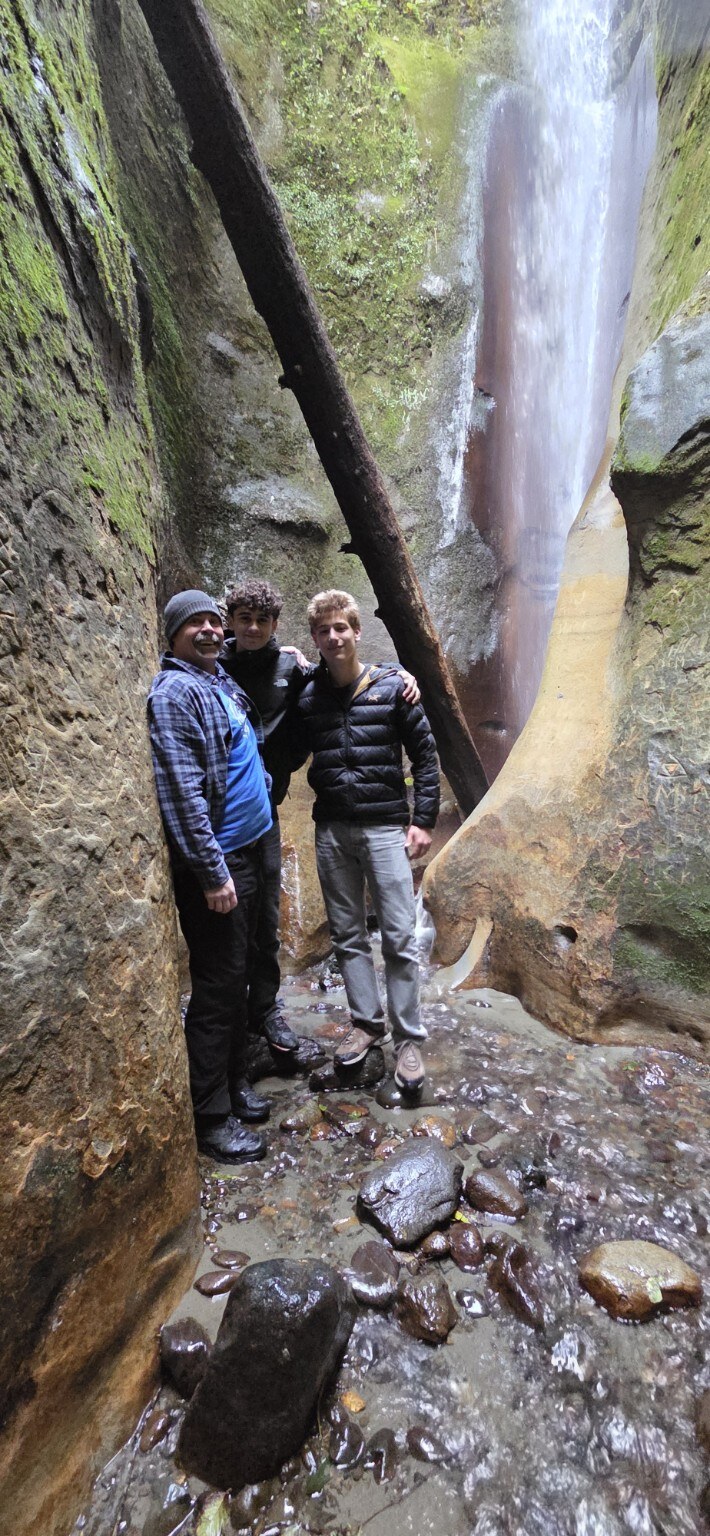
By then Jonte was sixteen — the age I had been in Eckernförde — and fortunate enough to be on an exchange of his own. Political upheaval around Donald Trump disrupted the original plan; instead, he was placed in Port Coquitlam in Metro Vancouver. In a turn both funny and beautiful, Chrissi’s son stayed in the home Darren and I had made. I took him and a friend to Sombrio Beach, where we stood beneath the waterfall. I was showing him a piece of the wild coast that had helped open my own life.
Just before Christmas, Achim and Ingrid came to Victoria with Jonte. At HAVN, a floating sauna and hydrotherapy spa in the Inner Harbour, I showed them West Coast British Columbia’s own version of Scandinavian spa culture. It was unique for all of us and, for me, the old basement ritual had quietly come full circle. Then we shared a wonderful dinner. Their British Columbia adventure carried them from Vancouver through Victoria, Ucluelet and Whistler, then home to Germany. They had welcomed me as a son; I had welcomed their daughter and her baby. Now that child had returned at sixteen, and three generations were together in Victoria.
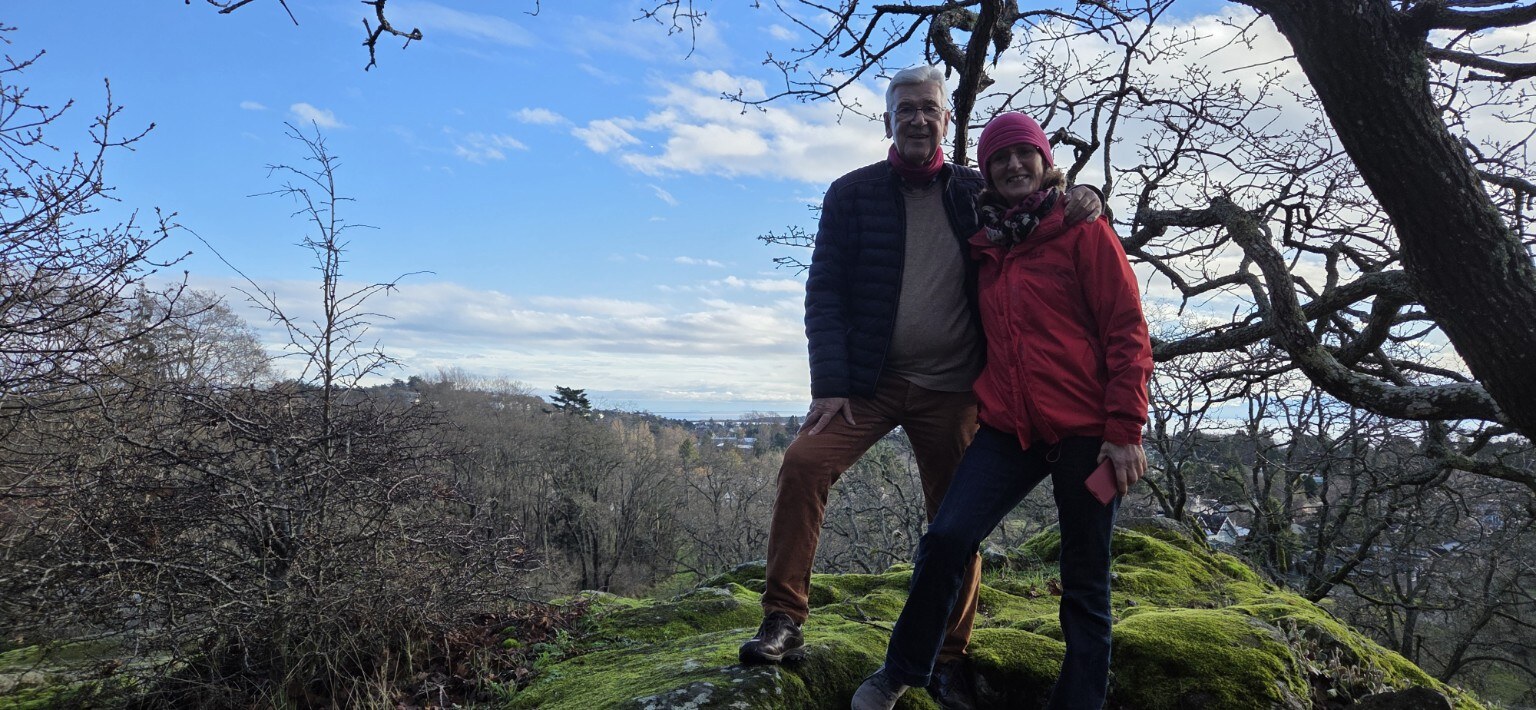
The exchange had become an inheritance of its own: hospitality passed back and forth across the ocean until it no longer belonged to either shore.
What Survives
The story leaves me with two photographs and a trail of things that survived between them.
The boy and the man
Now I can put two versions of Robert beside each other.
Between them are five high-school summers on ships, a marriage, four daughters, twelve grandchildren, refinery shifts, church mornings, fastball, jokes, arguments, breakfasts, Christmas hampers and thousands of ordinary days nobody thought to document.
The last page of Book 27710 remains where it was: August 1955, Sarnia, VERY GOOD in both columns. What surrounds it now exists because people kept things. Somebody saved the seaman’s book. Somebody kept the yearbook. Somebody wrote names on photographs. Brenda remembered baseball. Judy remembered the lunchbox. Sandra wrote three lines. There are still years nobody can place and faces nobody can name. Together, these fragments let the boy in one photograph and the grandfather in the other belong to the same life.
By the time that inheritance reaches my generation, some of it is harder to photograph. It is there in whom we call family, in the burdens we learn to carry or set down, and in the lives we are able to build.
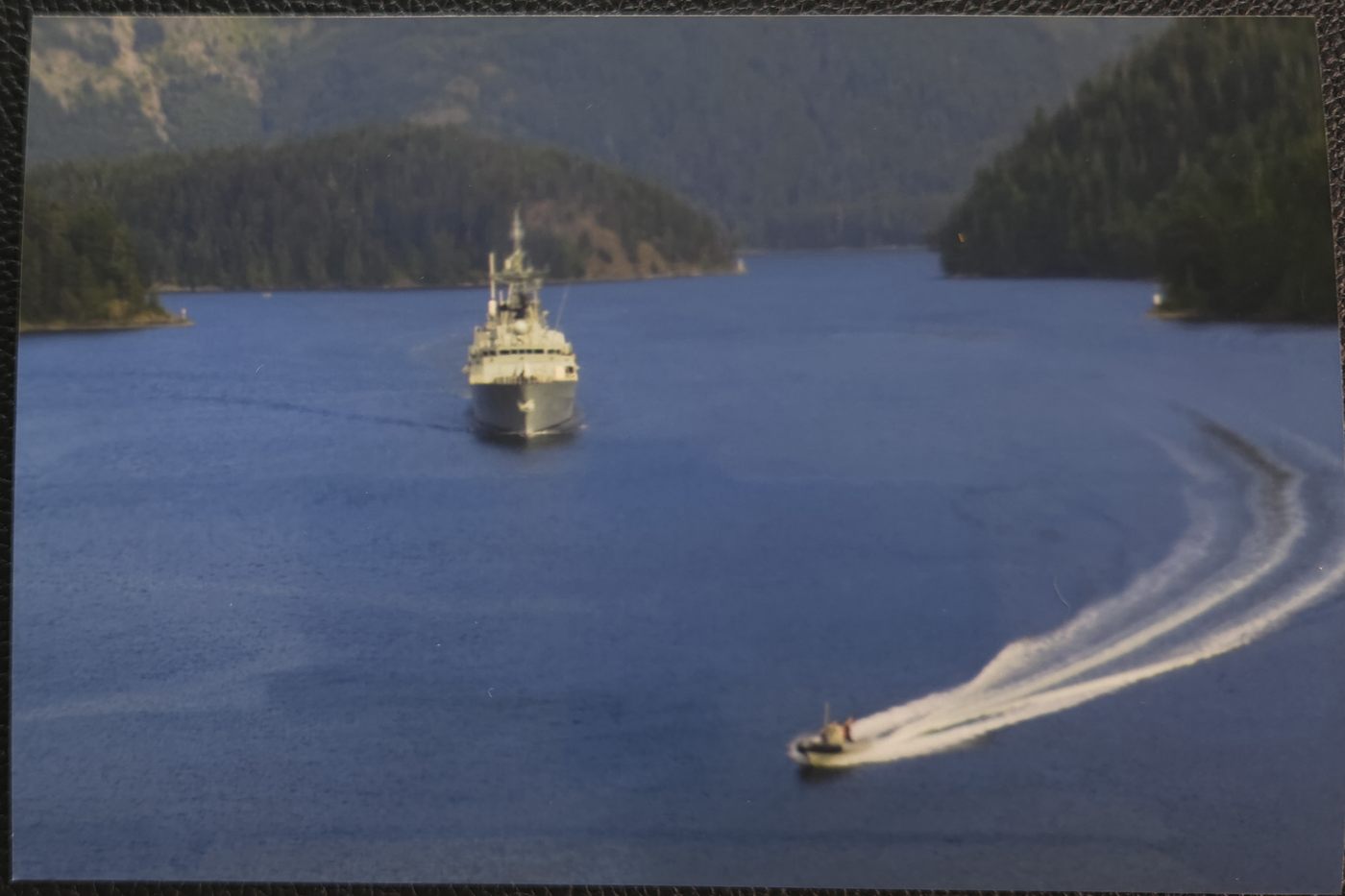
A wake is not the same thing as a route. It is the water changed by a life that has already passed through it.
The research underneath the story
For anyone who wants the dates, records, unresolved questions and full reconstructions, the documentary sites remain intact. They are the scaffolding under this story, not the voice of it.
The boy before Grandfather
Five summers, the discharge book, school years, photographs, family memories and the living Research Notebook.
From Halifax to the Atlantic war
The full reconstruction of Ted’s childhood, orphan years, sister network, merchant career, convoy service and wartime evidence.
Research notes and open questions
The verification questions, evidence discipline and next leads kept outside the published narrative.
The In the Wake album
The wider photographic record from RMC, Victoria, travel and the Navy — images that matter without all needing to interrupt the story.